
Flowers
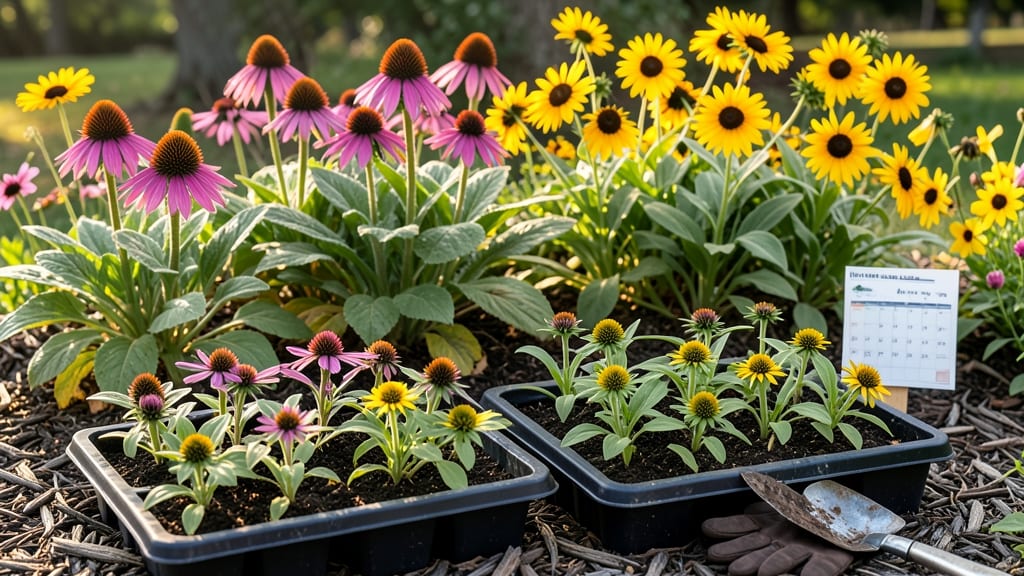
Timing your flower planting in Nebraska isn't just about following a calendar—it's about outsmarting that unpredictable last frost that can turn your dreams of vibrant blooms into a sad, icy memory. With USDA zones ranging from 5a to 6b, knowing when to plant your 🌸 isn't one-size-fits-all.
The wrong move could leave you waiting months for color, or worse, watching your seedlings turn into popsicles overnight.
Here's the secret: Nebraska's mid-April to mid-June window isn't just a suggestion—it's your golden ticket to success, but only if you play by the rules. Cool-season flowers like pansies can handle early planting, while heat-lovers like zinnias need to wait until the danger of frost has truly passed.
We'll break down exactly when to plant each type, so you can enjoy that first burst of color without the guesswork.
What if I told you there's a way to extend your blooming season by weeks? Whether you're dealing with container gardens or in-ground beds, we'll cover frost protection hacks that actually work in Nebraska's climate.
From row covers to strategic planting times, you'll learn how to cheat Mother Nature—just enough to keep your garden thriving when others are still waiting for spring.
Ready to transform your yard into a year-round flower show? Let's dive into the zone-specific calendar that'll have your garden looking like a postcard, no matter what Nebraska throws at it. Your perfect blooms start with the right timing—and we've got you covered.
Nebraska planting zones: when to start flowers based on frost dates
Nebraska’s USDA hardiness zones 5a-6b create a unique challenge for gardeners—last frost dates vary dramatically across regions, from early April in the southeast to late May in the northwest.
Understanding these zone-specific windows is key to avoiding frost damage and maximizing bloom time. In my experience, panicking over late frosts is the #1 mistake new gardeners make here.
For cool-season flowers like pansies and snapdragons, I start seeds indoors 6-8 weeks before the last frost date—typically by March 1st in most of Nebraska. Warm-season beauties like zinnias and marigolds, however, need to wait until after May 15th in western zones or April 20th in eastern areas.
This timing ensures roots establish before unpredictable late frosts strike.
Here’s the critical frost date breakdown you need to know:
| Zone | Avg Last Frost | Cool-Season Start | Warm-Season Start |
|---|---|---|---|
| 5a (Western NE) | May 15 | March 15 | June 1 |
| 5b (Central NE) | April 25 | March 1 | May 15 |
| 6a (Southeast NE) | April 10 | February 25 | April 20 |
| 6b (Extreme SE) | March 25 | February 15 | April 1 |
*Dates based on 30-year averages from Nebraska State Climate Office
Microclimates add another layer of complexity. South-facing slopes warm up faster—ideal for early planting—while low-lying areas hold frost longer. I always plant heat-loving flowers like sunflowers near my south-facing fence where they get extra warmth. Conversely, shady spots under trees are perfect for shade-tolerant perennials like astilbe.
For perennial flowers, timing matters less after the first year since established roots handle Nebraska’s temperature swings better. But annuals require precision—plant too early and they’ll bolt; too late and they’ll flop in summer heat.
My trick? Use biodegradable seed starter pots to transplant seedlings without disturbing roots when moving from indoor starts to the garden.
Pro tip: Check the Nebraska State Climate Office’s frost forecast in early spring—they update weekly and account for unpredictable weather patterns. I’ve saved multiple seasons of tender seedlings by waiting just one extra week for their official last frost date rather than guessing.
Patience pays off in vibrant, frost-free blooms.
Don’t overlook fall planting either! Many cool-season flowers thrive when planted in late August to early September. This gives them time to establish roots before winter while avoiding summer’s scorching heat.
My pansies and sweet alyssum planted in September often outperform spring starts because they get a head start on growth.
If you’re unsure about your exact zone, use the USDA Plant Hardiness Zone Map and enter your zip code—it’ll give you precise guidelines. For container gardening, you can push zones by 1-2 levels since pots warm up faster, but still follow the same frost date rules.
Just remember: Nebraska’s soil stays cold longer than air temperature suggests, so don’t rush!
Finally, keep a gardening journal to track your local frost dates over years—what I’ve found is that actual frost dates can vary by 2-3 weeks from averages. My 2022 journal showed last frost was May 5th in my zone 5b area, two weeks later than the average.
That delayed planting window cost me a month of summer blooms—a lesson I won’t repeat!
Best flowers to plant by month in Nebraska (with frost-proof tips)
Nebraska’s growing season is short but sweet, so timing your flower plantings by month is key to maximizing blooms. Start with cool-season flowers in early spring, then transition to heat-loving annuals after the last frost. Here’s my month-by-month guide to keep your garden thriving all season.
March is your chance to start seeds indoors for flowers like petunias and geraniums. These need a head start to beat Nebraska’s late frosts, which can linger until mid-April.
Hardier natives like bleeding heart and lungwort can also go in the ground this month if you’re in USDA Zone 6b or warmer.
For container gardening, stick to compact varieties like bachelor’s buttons or dwarf zinnias. These thrive in pots and can be moved indoors if a late frost threatens. Always use well-draining soil to prevent root rot in Nebraska’s unpredictable weather.
Pro tip: Use mulch to regulate soil temperature and retain moisture. A 2-3 inch layer of straw or shredded leaves keeps roots cool in summer and insulated in winter. This simple trick can extend your bloom season by weeks!
Don’t forget about succession planting. By staggering plantings every 2-3 weeks, you’ll enjoy continuous blooms from May through October. Try this with marigolds, basil flowers, or nasturtiums for a non-stop color show.
If you’re new to Nebraska gardening, start small with easy-to-grow flowers like sunflowers or cosmos. These are drought-tolerant and perfect for beginners. Once you’ve mastered timing, branch out to more delicate varieties like hollyhocks or delphiniums.
Remember, Nebraska’s first frost usually hits around mid-October. Use this as your cue to harvest seeds, cut back dead foliage, and protect tender perennials with mulch. With the right timing and a little frost-proofing, your garden will bloom beautifully from spring to fall! 🌸