
Plants
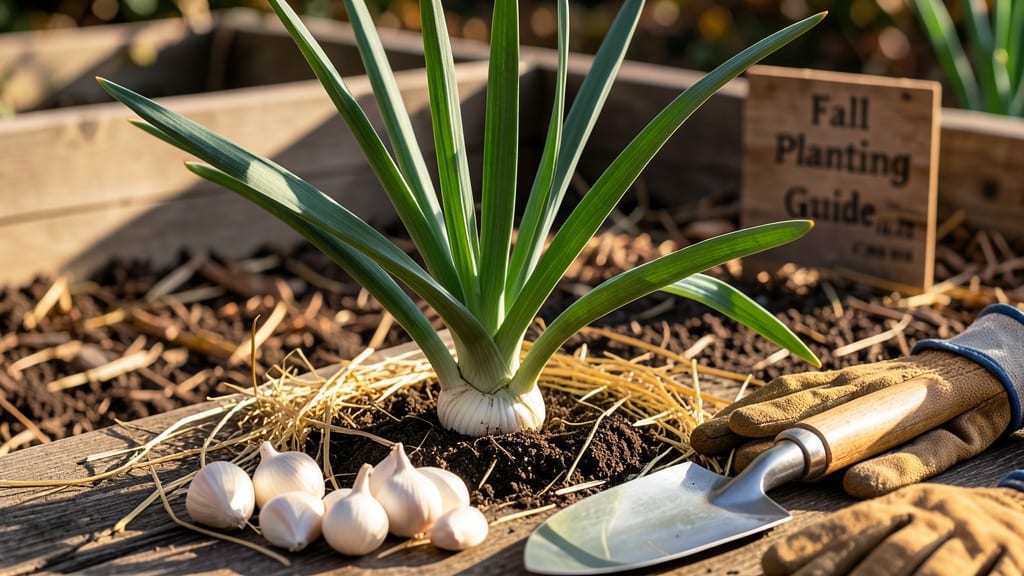
Planting garlic in Zone 8b at the wrong time can turn your 🧄 dreams into disappointment—but timing it right means a harvest of plump, flavorful bulbs by summer. The secret lies in those crisp fall months when soil temperatures drop just enough to trigger root growth without freezing.
Most gardeners in Zone 8b know the struggle: plant too early, and your garlic might sprout before winter sets in; too late, and it won’t mature before summer heat. The ideal window—October to November—balances these risks perfectly, giving your cloves time to establish roots before the ground cools.
What makes this timing so critical? Garlic needs 6-8 weeks of cold exposure to form bulbs, but Zone 8b’s mild winters mean you can’t wait until December. I’ll walk you through exactly when to plant, how to prep your soil, and what to watch for to avoid common pitfalls.
Ready to grow garlic that rivals store-bought? Let’s dive into the step-by-step schedule that’ll have your harvest ready by June—just in time for summer cooking. No more guesswork, just guaranteed results.
Optimal fall planting dates for garlic in Zone 8b
In Zone 8b, where winters are mild but still cool enough for garlic to establish roots, timing your fall planting is crucial for a successful harvest. Unlike colder zones, you won’t face harsh freezes, but planting too late can result in smaller bulbs or even no harvest at all.
The key is to plant when soil temperatures drop below 70°F (21°C) but before the ground freezes.
For hardneck garlic, the sweet spot is 6-8 weeks before your first hard frost, typically between mid-October and early November. This gives cloves enough time to root before winter dormancy. Softneck varieties are slightly more flexible but still thrive when planted in the same window.
Miss this window, and you risk stunted growth or bulb rot.
Soil temperature is your best guide—aim for 50-60°F (10-15°C) at planting depth. Use a soil thermometer to check; if it’s warmer, wait a few days. Moon phases can also play a role, with planting during the waning moon (after a full moon) said to encourage root growth.
Many gardeners swear by this method for larger bulbs.
Here’s the breakdown of your Zone 8b planting timeline for both hardneck and softneck varieties, including soil prep and post-planting care:
| Variety | Ideal Planting Window | Soil Temp at Planting | Moon Phase Tip | Post-Planting Care |
|---|---|---|---|---|
| Hardneck Garlic | Mid-October to early November | 50-60°F (10-15°C) | Waning moon (root growth phase) | Mulch with 4-6" straw; water sparingly |
| Softneck Garlic | Late October to early December | 50-65°F (10-18°C) | Waning moon or full moon | Mulch with 3-4" straw; protect from light frosts |
| Both Varieties | Avoid planting after December 15 | Never below 40°F (4°C) | Avoid waxing moon (can reduce bulb size) | Test soil pH (6.0-7.0); fertilize lightly in spring |
If you’re new to garlic growing, hardneck varieties like ‘German White’ or ‘Music’ are ideal for Zone 8b—they produce larger bulbs and scape shoots (edible stems) that you can harvest in spring. Softneck garlic, such as ‘Artichoke’, stores longer but may yield slightly smaller cloves in your climate.
Choose organic, untreated cloves from a reputable supplier for the best results.
One common misconception is that garlic can be planted anytime in mild climates. But in Zone 8b, planting too early (e.g., September) can lead to premature sprouting and weak roots. Conversely, planting after mid-December risks exposing cloves to freezing temperatures, which can kill them.
Always check your local frost dates—Zone 8b typically sees its last frost around December 15, so plan accordingly.
Pro tip: If you’re unsure about your soil’s readiness, perform the "finger test". Stick your finger about 2 inches into the soil—if it’s cool to the touch but not frozen, it’s time to plant.
For extra insurance, use a soil thermometer to monitor temperatures daily. This small investment can save your entire crop from failure.
Once planted, focus on minimal watering during winter—garlic is dormant and only needs moisture to prevent desiccation. In Zone 8b’s mild winters, you might not need to water at all until spring rains return.
However, if you experience dry spells, give your garlic a light drink every 3-4 weeks to keep the soil slightly moist.
Finally, don’t forget to label your rows! Garlic looks similar to weeds in early spring, and you’ll want to avoid accidentally pulling up your cloves before harvest. Use biodegradable plant markers or a simple garden journal to track varieties and planting dates.
This habit will pay off when it’s time to harvest in late June or July.
With the right timing and care, your Zone 8b garlic patch can yield plump, flavorful bulbs year after year. The secret? Plant in October or November, monitor soil temps, and let winter do the work for you. 🧄
Optimal fall planting dates for garlic in Zone 8b
In Zone 8b, where winters are mild but still cool enough to trigger garlic dormancy, timing your fall planting correctly ensures robust bulb formation. The ideal window spans from mid-October to early November, aligning with soil temperatures between 40-60°F—perfect for root establishment before winter sets in.
Hardneck varieties like Silverskin or Rocky Mountain thrive when planted by November 1st, while softneck types such as Artichoke can tolerate slightly later dates up to December 1st. This flexibility lets you adjust based on your local microclimate and frost patterns.
| Variety | Ideal Planting Window | Soil Temp (°F) | Moon Phase Tip |
|---|---|---|---|
| Hardneck (e.g., Rocambole) | Mid-October to November 1st | 40-60°F | Plant under a waxing moon for stronger roots |
| Softneck (e.g., Artichoke) | October 15th to December 1st | 45-65°F | Avoid planting during a waning moon to prevent bolting |
For Zone 8b gardeners, the last frost date around January 15th acts as a natural deadline. Planting too late risks garlic sprouting prematurely, leaving it vulnerable to winter dieback. Aim for 4-6 weeks before your area’s first hard frost to give roots time to anchor.
Pro tip: Test your soil’s readiness by pushing a thermometer 4 inches deep. If temperatures hover around 50°F, it’s prime time to plant. Cooler soils delay sprouting, reducing frost damage risks while still allowing bulb development over winter.
Don’t overlook moon phase timing—planting during a waxing moon (when the moon is growing) encourages root growth, while a full moon promotes above-ground development. Check your local lunar calendar for precise dates tailored to your planting schedule.
Once planted, mulch heavily with straw or leaves to insulate bulbs from temperature swings. This protective layer maintains consistent soil temps and prevents heaving—a common issue in Zone 8b’s mild winters where freeze-thaw cycles occur.