
Companion Plants
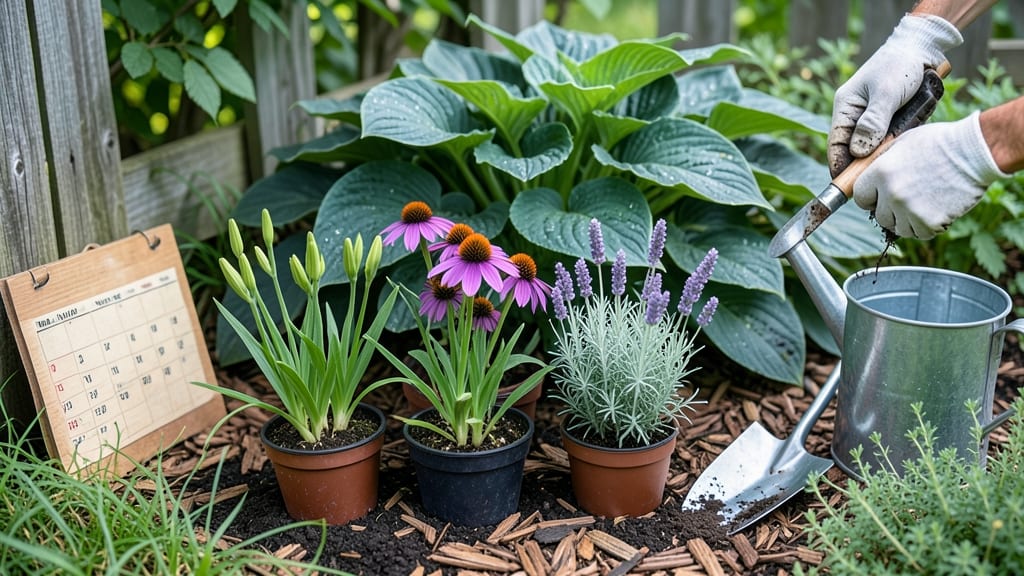
Timing your perennials planting in Zone 5 could mean the difference between a garden that thrives all season and one that struggles to take root before winter.
The key isn't just throwing plants in the ground—it's knowing when the soil is warm enough and the frost isn't lurking around the corner.
Most gardeners in Zone 5 wait until after the last frost date (around April 15), but there's actually a smarter window for maximum root growth. Planting too early risks stunted growth, while waiting too long can leave your perennials 🌱 vulnerable to fall frosts.
Let me show you the exact months to aim for—and why they matter.
Whether you're a beginner or a seasoned gardener, understanding these deadlines will help you choose the right perennials for your climate. We'll cover everything from soil prep to frost-resistant varieties, so you can plant with confidence and enjoy a vibrant garden year after year.
Ready to transform your garden? Stick around—I'll walk you through the best planting strategies for Zone 5, including how to adjust for unpredictable weather and which hardy perennials perform best when planted at the right time.
Best planting months for perennials in Zone 5 by root establishment goals
In Zone 5, timing is everything when planting perennials. The goal is to give roots enough time to establish before winter frost hits—typically by October 15. Spring and fall are your two best windows, but each has unique advantages for different perennials.
Spring planting (March–April) works for hardy perennials like coneflowers and black-eyed Susans, which can handle cooler soil. Fall planting (August–early October) suits root-hardening species like lavender and sedum, which benefit from cooler temps before winter.
Here’s the key: Soil temperature must be at least 60°F for roots to grow actively. In Zone 5, this usually aligns with mid-April to mid-May for spring, and late August to early September for fall.
Miss these windows, and you risk weak root systems that freeze or bolting flowers from stress. For example, planting hostas too early in spring can lead to frost damage, while planting daylilies too late in fall may stunt their growth.
Now, let’s break down the exact months and what to plant when for maximum success:
| Planting Window | Ideal Soil Temp | Best Perennials | Root Goal |
|---|---|---|---|
| Early Spring (March–April) | 50–60°F | Coneflowers, Black-Eyed Susans, Peonies | Establish before summer heat |
| Late Spring (May) | 60°F+ | Hostas, Asters, Russian Sage | Full summer growth |
| Early Fall (August–September) | 60–70°F | Lavender, Sedum, Catmint | Root hardening before frost |
| Late Fall (October) | 40–50°F | Perennials with established roots (e.g., established hostas) | Avoid new stress |
For spring planting, aim to get perennials in the ground 4–6 weeks before your last frost date (around April 15 in most of Zone 5). This gives roots time to spread before summer’s heat peaks.
Fall planting is trickier—wait until late August to early September when nights cool but days stay warm. This 6-week window lets roots grow without overheating, then hardens off before frost.
Pro tip: Use a soil thermometer to confirm temps. If soil is below 50°F, wait—cold soil slows root growth. In northern Zone 5 (e.g., Ohio, Michigan), plant 2 weeks later than southern areas (e.g., New York, Pennsylvania).
Remember, dividing perennials (like daylilies) is best done in early spring when growth resumes. This rejuvenates clumps and gives them a head start for the season.
By following these timing guidelines, your perennials will thrive through Zone 5’s winters and reward you with bold blooms and lush foliage for years to come. 🌱
How to adjust planting time for perennials based on soil temperature and frost dates
Zone 5’s unpredictable spring and fall can make planting perennials tricky. The key is soil temperature—roots need 60°F+ soil to thrive, not just air temperature. A soil thermometer (just $10) reveals when conditions are truly right, often 2-3 weeks after your last frost date.
For example, in Ohio or New York, average last frost is April 15, but soil may still be 50°F—too cold for tender perennials like black-eyed Susans. Planting too early risks root rot or stunted growth. Wait until soil hits 60°F consistently for 5-7 days.
Fall planting follows the same logic: aim for 6 weeks before first frost (usually mid-September in Zone 5). This gives roots time to establish before winter dormancy. Hardy perennials like sedum or Russian sage can handle cooler soils, but avoid planting when nights dip below 40°F.
⚠️ CALLOUT WARNING
PLANTING TOO EARLY = FROST DAMAGE
Even if air temps warm up, cold soil can kill young roots. Use a soil thermometer—not just a weather app—to avoid costly mistakes. Zone 5’s microclimates (e.g., near lakes vs. hills) can shift frost dates by 1-2 weeks.
Microclimates matter! A south-facing slope warms faster than a north-facing garden, potentially shifting your planting window by 7-10 days. Observe your yard: where does frost linger? Where does snow melt first? Adjust planting dates based on these observations—local nurseries often track these patterns too.
Pro tip: Mulch heavily after fall planting (3-4 inches of straw or shredded leaves) to insulate roots. This buys 2-3 extra weeks of warmth before winter sets in. For spring plantings, avoid mulching until after the second watering to prevent rot.
When in doubt, err on the side of waiting. A healthy root system built over 6-8 weeks will outperform a rushed spring planting. Use container-grown perennials in early spring—they establish faster than bare-root plants in cold soil.