
Plants
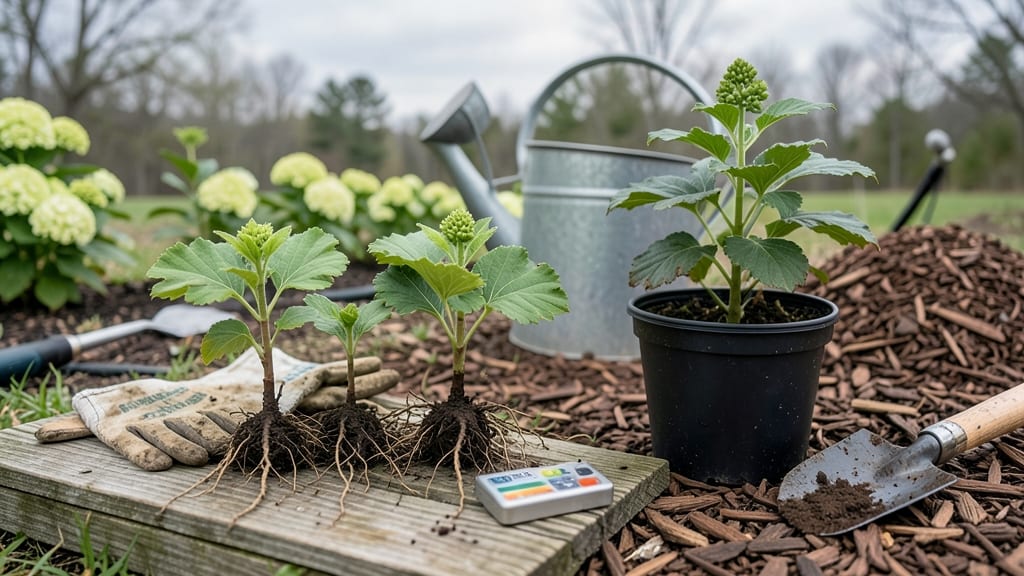
Planting hydrangeas in Michigan’s USDA Zone 5B isn’t just about grabbing a shovel—it’s about when is the best time to plant hydrangeas in Michigan to catch that perfect 6-week window between frost risk and summer heat.
Get it wrong, and your 🌸 hydrangeas might struggle to take root or bloom. But nail the timing, and you’ll set the stage for vibrant blooms that last for years.
Most Michigan gardeners swear by spring planting—typically between late April and early June—when soil temperatures warm enough to encourage root growth. However, fall planting (September–October) also works if you give your hydrangeas time to establish before winter.
The key? Avoid planting when frost is still lurking or when summer’s intensity is already setting in.
Whether you’re working with bare-root plants, potted hydrangeas, or even cuttings, the right preparation makes all the difference. We’ll break down how to prep your soil, harden off your plants, and protect them from Michigan’s unpredictable weather—so you can enjoy those show-stopping blooms without the guesswork.
Ready to turn your garden into a hydrangea haven? Let’s dive into the exact steps to plant for success, no matter where you are in the state.
Michigan hydrangea planting calendar: exact weeks for zone 5B success
Michigan’s USDA Zone 5B climate creates a 6-week planting window for hydrangeas, but timing is critical. Plant too early, and frost can damage tender roots; too late, and your shrubs may not establish before winter.
The ideal window spans late April through early June, aligning with soil temperatures above 50°F (10°C) and the average last frost date.
Northern Michigan (e.g., Traverse City) typically has a later last frost (mid-May) compared to southern regions like Detroit (early May). Adjust your schedule by 1-2 weeks based on your microclimate.
For bare-root hydrangeas, plant as soon as soil is workable; for potted plants, wait until nighttime temperatures stay above 55°F (13°C) consistently.
Fall planting is also viable in Michigan, with a 6-8 week window before first frost (typically mid-October). This allows roots to establish before winter dormancy. However, fall-planted hydrangeas may bloom 1-2 weeks later the following year compared to spring plantings.
🌸
For bare-root hydrangeas, soak roots in water for 2-4 hours before planting to rehydrate. Dig a hole twice as wide as the root ball but only as deep. Amend the soil with compost or peat moss to improve drainage, especially in clay-heavy Michigan soils.
Space dwarf varieties 3-4 feet apart; standard types need 6-8 feet.
If you’re planting in sandy soil (common in northern Michigan), mix in organic matter like leaf mold or well-rotted manure to retain moisture. In urban areas with compacted soil, consider planting in a raised bed for better root development.
Always water deeply after planting to eliminate air pockets around roots.
💧
Monitor your hydrangeas for late spring frosts, which can damage new growth. Use frost cloth or a lightweight row cover if nighttime temperatures dip below 32°F (0°C) after planting. In Zone 5A (northern Michigan), delay planting by 1-2 weeks compared to Zone 5B to avoid frost damage.
Pro tip: Use a soil thermometer to confirm soil temperatures meet thresholds before planting. Aim for consistent warmth—hydrangeas thrive when soil stays above 50°F (10°C) for at least 7-10 days post-planting. This consistency reduces transplant shock and promotes faster root establishment.
🌿
How to prepare hydrangeas for Michigan’s unpredictable spring: pre-planting checklist
Michigan’s spring weather can be as unpredictable as a hydrangea’s color-changing blooms. To give your new plants the best shot at thriving, acclimate them properly before planting. Start by checking your soil temperature—it should consistently stay above 50°F (10°C) for at least a week before planting.
Cold soil can shock roots and delay growth, especially for bare-root hydrangeas.
Next, amend your soil to match hydrangeas’ ideal conditions. These shrubs love acidic soil with a pH between 5.5 and 6.2. Test your soil using a home kit or send a sample to your local Michigan State University Extension office.
If needed, mix in peat moss or sulfur to lower pH, or lime to raise it. Work these amendments into the top 12 inches of soil at least a week before planting to let them integrate.
🌱 Pre-Planting Checklist for Michigan Hydrangeas
- ☑️ Test soil pH (aim for 5.5–6.2)
- ☑️ Amend soil with peat moss or sulfur if needed
- ☑️ Harden off container-grown plants for 7–10 days
- ☑️ Prune dead roots on bare-root plants before planting
- ☑️ Prepare frost protection (frost cloth or row covers)
Pro Tip: Water deeply the day before planting to reduce transplant shock.
If you’re planting container-grown hydrangeas, harden them off first. Move them outdoors for a few hours each day, gradually increasing their time outside over 7–10 days. This helps them adjust to Michigan’s wind and temperature swings.
For bare-root plants, soak the roots in water for 1–2 hours before planting to rehydrate them. Then, trim any mushy or broken roots with clean pruners to encourage healthy regrowth.
Don’t forget to protect against late frosts, which can sneak up on Michigan gardens well into May. Keep frost cloth or row covers on hand to shield young plants if nighttime temperatures dip below 32°F (0°C).
You can also use soil warmers or black plastic mulch to raise soil temperatures faster in cooler areas like Traverse City or Marquette. These tricks give your hydrangeas a head start in Michigan’s short growing season.
Finally, plan your planting location carefully. Hydrangeas thrive in partial shade, with 4–6 hours of morning sun and afternoon shade to prevent leaf scorch. Avoid spots with competitive roots from trees or aggressive ground covers.
If your yard is shady, opt for variegated hydrangeas like Limelight or Vanille Fraise, which tolerate lower light better than classic blue or pink varieties.
With these steps, your hydrangeas will establish roots quickly and reward you with bold blooms by next summer. Just remember: patience is key—hydrangeas planted in late spring may take a year to fully bloom, but they’ll be worth the wait! 🌸