
Plants
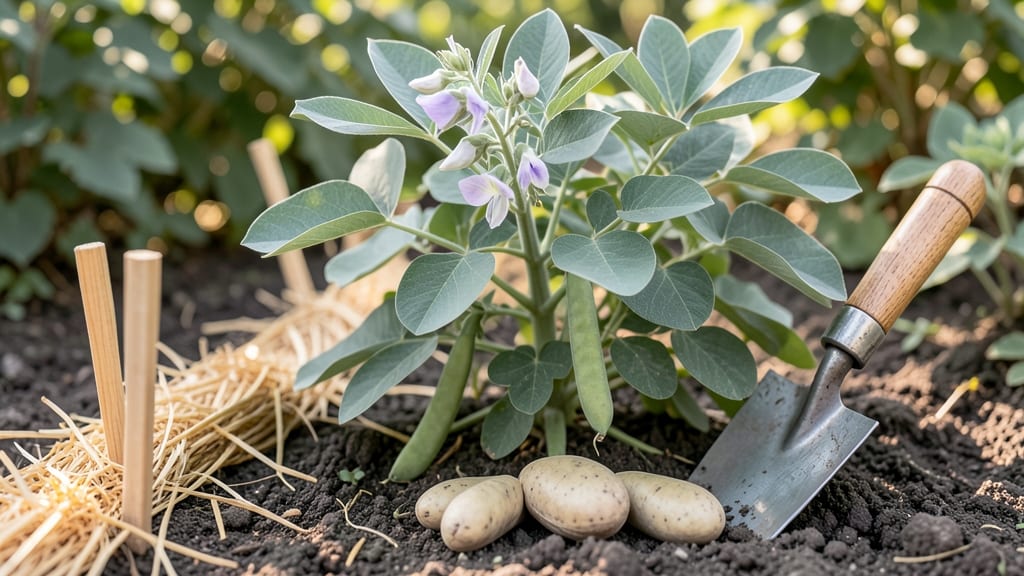
Planting fava beans at the wrong time in Zone 6 can mean the difference between a bountiful harvest and wasted seeds—especially when frost is still a threat. These cool-season 🌱 powerhouses actually thrive when temperatures dip, making early spring and late summer your best bets for success.
In Zone 6, where last frosts typically arrive around mid-April, timing is everything. Planting too early risks frost damage, while waiting too long can lead to bolting before harvest.
The key is to start seeds 4-6 weeks before your last frost date—usually in early spring (March-April) or late summer (August-September).
What makes fava beans unique is their ability to handle light frost, but they still need consistent soil temperatures above 40°F to germinate properly. Whether you're aiming for a spring harvest or a fall crop, understanding these windows will help you maximize your yield without the guesswork.
Let’s break down the exact planting schedule for Zone 6, including how to protect your crop from unexpected frosts and which varieties perform best in your climate. Ready to grow your own protein-rich harvest?
Optimal fava bean planting times in Zone 6: spring vs fall breakdown
Fava beans are cool-season powerhouses that thrive when temperatures hover between 40°F and 75°F. In Zone 6, timing is everything—plant too early, and you risk rot from cold, wet soil; too late, and summer heat stunts growth.
Let’s break down the best windows for spring and fall planting to maximize your harvest.
For a spring crop, aim to plant 4-6 weeks before your last frost date (typically mid-March to early April in Zone 6). This gives seeds time to germinate before soil warms beyond 70°F.
Fall planting, on the other hand, should occur 8-10 weeks before the first frost (usually late August to early September) to ensure pods mature before winter sets in.
Soil temperature is critical: fava beans germinate best in 50°F-60°F soil. In Zone 6, this often aligns with March-April for spring and September for fall. Use a soil thermometer to confirm—if soil is colder than 50°F, wait a week or two.
🌱 Fava Bean Planting Comparison: Spring vs Fall
| Factor | Spring Planting | Fall Planting |
|---|---|---|
| Ideal Months | March–April | Late August–Early September |
| Soil Temp Requirement | 50°F–60°F | 50°F–60°F |
| Days to Maturity | 90–120 days | 60–90 days |
| Frost Risk | Low (post-last frost) | High (pre-first frost) |
| Harvest Window | May–June | October–November |
| Key Tip | Plant after soil warms | Use row covers for frost protection |
Spring planting offers the longest growing season, but fall crops mature faster and avoid summer pests like aphids. In Zone 6, a fall harvest in October can be just as productive as spring—if you time it right.
For example, planting September 1st in most of Zone 6 gives you a 90-day window before the first frost (around October 15th).
Pro tip: Test your soil pH before planting—fava beans prefer 6.0–7.5. Amend with lime if your soil is too acidic. Also, avoid planting in the same spot yearly to prevent soil-borne diseases like root rot, which thrives in cool, damp conditions.
If you’re in Zone 6a (colder microclimates), err on the side of earlier spring planting (late February) and earlier fall planting (late July). For Zone 6b (warmer microclimates), you can push spring planting to mid-April and fall planting to early September without risking frost damage.
Remember: Fava beans tolerate light frost but won’t germinate in freezing soil. If a hard freeze (below 28°Frow covers or mulch to protect young seedlings during unexpected cold snaps.
For a double harvest, try both spring and fall plantings! Start with spring seeds in March, then follow up with fall seeds in August. This strategy ensures fresh fava beans from May through November—just adjust spacing to avoid overcrowding.
🌱
Optimal fava bean planting times in Zone 6: spring vs fall breakdown
In Zone 6, fava beans can be planted twice a year—early spring and late summer—but each season requires a different approach to avoid frost damage or summer bolting. Spring planting is the most common method, with seeds sown 4-6 weeks before your last frost date (typically March 15–April 15).
This timing ensures seedlings emerge when soil temperatures hit 40°F or warmer, their minimum threshold for germination.
Fall planting offers a second chance for harvest, but it’s riskier due to Zone 6’s early frost dates (around October 15). To succeed, start seeds 8-10 weeks before your first frost, usually in late August or early September.
The goal is to mature pods before temperatures drop below 32°F, which can blacken leaves and stunt growth.
Here’s a direct comparison of spring vs. fall planting in Zone 6, including key factors like frost risk, soil prep, and harvest windows:
| Factor | Spring Planting (March–April) | Fall Planting (August–September) |
|---|---|---|
| Planting Window | 4–6 weeks before last frost (March 15–April 15) | 8–10 weeks before first frost (August 20–September 10) |
| Soil Temperature | 40–70°F (ideal: 50–60°F) | 50–75°F (avoid >80°F) |
| Frost Risk | Low (seedlings tolerate light frost) | High (protection needed after September 15) |
| Harvest Window | May–June (90–120 days after planting) | October–November (60–90 days after planting) |
| Key Tip | Use row covers if late frosts occur | Choose early-maturing varieties (e.g., 'Aquadulce Claudia') |
For spring plantings, I recommend starting seeds indoors 4–6 weeks before transplanting to give them a head start. Harden off seedlings for 7–10 days before moving them outdoors, and space them 2–3 inches apart in rows 18–24 inches apart.
This spacing prevents overcrowding and improves air circulation, reducing the risk of fungal diseases like aspergillosis, which thrives in damp conditions.
Fall plantings, however, demand extra caution. If you’re planting in late August, opt for faster-maturing varieties (e.g., 'Early Bird') to ensure pods ripen before frost. Always plant in well-draining soil and avoid low-lying areas where cold air pools.
A 2–3 inch layer of straw mulch around plants can delay frost damage by 1–2 weeks, giving your crop more time to mature.
Pro tip: Test your soil’s pH before planting—fava beans prefer a slightly alkaline soil (pH 6.5–7.5). If your soil is acidic, amend it with lime or wood ash 4–6 weeks before planting to avoid stunting growth.
With the right timing and soil prep, you’ll be harvesting protein-rich pods in no time!