
Companion Plants
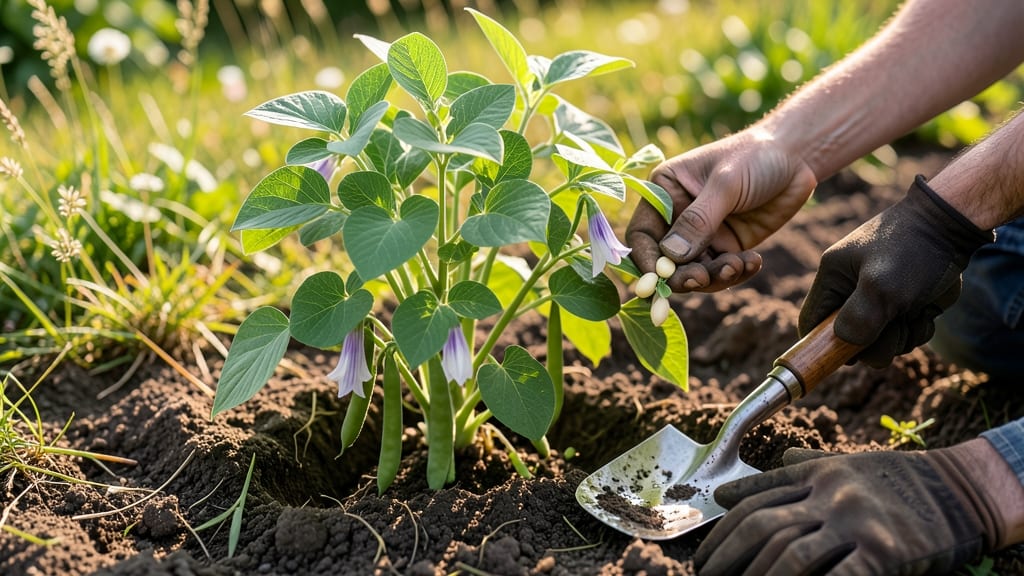
Timing your bean planting in Pennsylvania can mean the difference between a bountiful harvest and a wasted season—get it wrong, and frost or heat will ruin your crop before it even sets pods.
With USDA zones 6a–7b and microclimates ranging from Philadelphia’s urban heat islands to the Appalachian Mountains, knowing the right window is everything. The key? Planting after the last frost—typically April 15 in most regions—but adjusting for soil warmth and local weather quirks.
Whether you’re growing bush beans for quick harvests or pole beans for trellises, getting this right ensures your 🌱 thrives from July through September.
I’ve tested what works in Pennsylvania gardens, and the secret isn’t just following a calendar—it’s reading your soil, watching the forecast, and choosing varieties that match your zone. Let’s break down the exact dates, soil prep tips, and companion plants that’ll give you the edge this growing season.
From succession planting for fall harvests to protecting seedlings from late frosts, you’ll discover practical steps to maximize your yield. Ready to turn your garden into a bean bonanza? Let’s get started.
Pennsylvania’s bean planting zones: frost-free dates by region
Pennsylvania’s diverse climate—from the humid Southeast to the cooler Northeast—means your bean planting timeline should match your microclimate. The key to success? Knowing your last spring frost and first fall frost dates.
These vary dramatically across the state, with Southeast PA (like Philadelphia) often frost-free by April 15, while Northeast PA (like Scranton) may wait until May 20. Even within cities, urban heat islands can shift your planting window by 1–2 weeks later.
To find your exact zone, use the USDA Plant Hardiness Zone Map (focus on zones 5b–7b for PA). Elevation also plays a role—every 1,000 ft gain delays planting by 1–2 weeks.
For example, Poconos mountain gardeners should wait until early June, while Pittsburgh’s lake-effect zones may experience delayed springs. Let’s break down the 5 key regions and their ideal planting windows.
🌱 Pro Tip: Bookmark Penn State Extension’s Ag Progress tool for real-time frost forecasts and soil temperature updates.
| Region | USDA Zone | Avg Last Spring Frost (Safe to Plant) | Avg First Fall Frost (Harvest Before) | Best Bean Varieties for Zone | Microclimate Notes |
|---|---|---|---|---|---|
| Southeast PA (Philadelphia, Lancaster) | 6b–7a | April 15–May 1 | October 15–20 | Bush beans (Blue Lake), pole beans (Kentucky Wonder) | Urban areas: Plant 1–2 weeks later due to heat retention |
| Central PA (Harrisburg, York) | 6a–6b | April 25–May 10 | October 5–15 | Bush beans (Provider), pole beans (Rattlesnake) | Rural areas: Watch for early morning frosts in valleys |
| Northwest PA (Erie, Pittsburgh) | 5b–6a | May 10–20 | September 25–October 5 | Cold-tolerant (Tendergreen), dwarf varieties (Mascotte) | Lake-effect zones: Delay planting if spring is late |
| Northeast PA (Scranton, Wilkes-Barre) | 5a–5b | May 20–June 1 | September 15–25 | Early-maturing (Blue Lake), cold-hardy (Pinto) | High elevation: Use row covers for early planting |
| Appalachian PA (State College, Altoona) | 6a–6b | May 1–15 | October 1–10 | Bush beans (Golden Gate), pole beans (Blue Lake) | Mountain valleys: Plant 10–14 days after lowland areas |
If you’re in Zone 6a or colder, prioritize early-maturing varieties (like Blue Lake or Tendergreen) to avoid frost damage. In Zone 7a, you can stretch your season with succession planting—more on that in the next section.
Always check your local weather station for the most accurate frost dates, as microclimates can shift planting windows by 10+ days.
For a visual guide, use the USDA Interactive Map to zoom into your exact location. Overlay it with Penn State’s
How to adjust planting dates for your Pennsylvania microclimate
Pennsylvania’s diverse microclimates mean that planting dates can vary by weeks even within the same county. While April 15 is a safe average for most zones, your specific location—whether you’re in Philadelphia’s urban heat island or the cool Appalachian foothills—demands adjustments.
The key is understanding three factors: soil temperature, elevation, and local weather patterns. Let’s break down how to fine-tune your planting schedule for success.
First, soil temperature is the most critical factor. Beans won’t germinate well in cold soil, and planting too early can stunt their growth. Aim for 60°F+ soil temperature for at least 2 weeks before sowing.
In zone 5b (like Erie or Scranton), this might push your planting window to late May, while zone 7a (Lancaster or Philadelphia) could start as early as mid-April. Use a soil thermometer or check Penn State’s Ag Progress reports for real-time data.
Elevation plays a huge role in delaying planting dates. For every 1,000 feet you climb, add 1–2 weeks later to your planting schedule.
For example, if your neighbor in Pittsburgh (zone 6a) plants on May 1, you might need to wait until May 15–20 in State College (zone 5b).
This adjustment ensures your seedlings aren’t caught off guard by late spring frosts, which can still hit mountain regions into May.
Another game-changer is succession planting, which lets you stretch your harvest window well into fall. In zones 6a–7a, start with your first planting in late April and then sow new seeds every 2 weeks until July 15.
This strategy ensures you’re always harvesting fresh pods while avoiding the heat stress of a single late-summer planting. For fall harvests, use row covers to extend your last planting into early August, giving you beans until the first frost in mid-October.
Don’t overlook urban heat islands, either. Cities like Philadelphia and Pittsburgh can be 5–10°F warmer than rural areas, which means soil warms up faster. If you’re gardening in an urban setting, consider planting 1–2 weeks earlier than the average date for your zone.
However, be cautious—heat waves in June can stress young plants, so always monitor your garden’s microclimate with a weather station or local forecasts.
Finally, late frosts are the silent killer of young bean seedlings. If you’re in zone 5b or colder, protect your early plantings with frost blankets or cloche tunnels for the first 2–3 weeks.
These simple tools can shield your seedlings from temperatures as low as 28°F, giving them time to establish strong roots before summer heat sets in.
Even in warmer zones, a cold snap in May can damage tender young plants, so always keep an eye on the 10-day forecast.
By adjusting your planting dates based on soil temperature, elevation, and local weather patterns, you’ll give your beans the best possible start. These small tweaks can mean the difference between a sparse harvest and a bountiful garden full of crisp, flavorful pods all season long. 🌱