
Plants
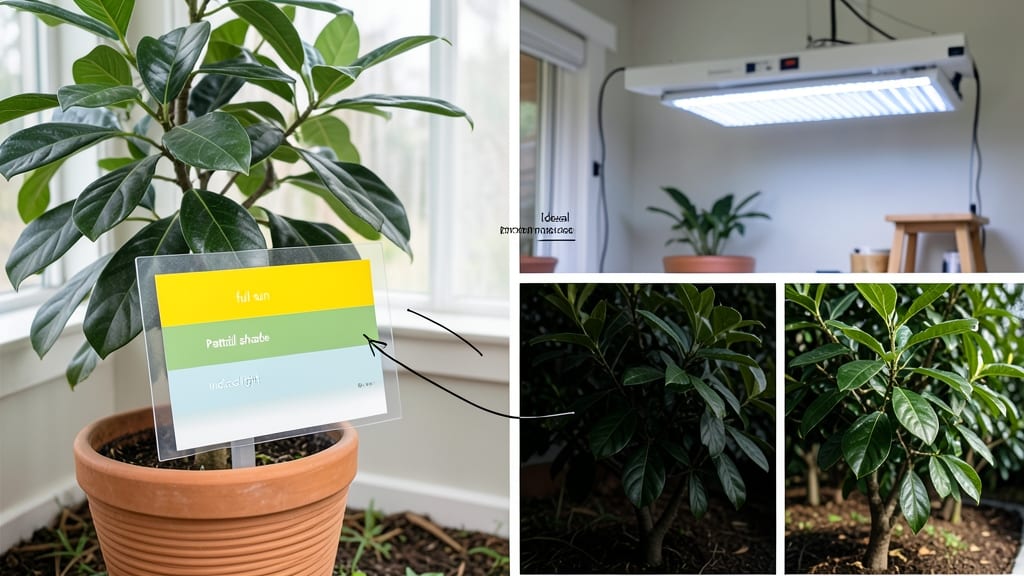
To grow a thriving 🥑 avocado plant, you need to get the light right—and most people either drown it in too much sun or starve it of what it truly craves.
The truth is, your plant’s light needs change dramatically from seedling to fruit-bearing maturity, and getting it wrong can mean the difference between lush green leaves and sad, leggy stems.
If you’ve ever watched your avocado plant stretch toward the window like a sleepy cat reaching for sunlight, you’re not alone. The key is understanding how much light your 🥑 needs at each stage of growth, whether you’re growing it indoors by a sunny window or outdoors in your backyard.
Too little light, and your plant will grow weak and pale; too much, and you’ll burn those delicate leaves faster than you can say "harvest time."
In this guide, I’ll break down the exact sunlight rules for every growth phase—from those early days when indirect light is all your seedling can handle to the mature tree that soaks up 6+ hours of direct sun daily.
You’ll also discover how to spot the warning signs of light stress before it’s too late, so you can adjust your setup and keep your plant happy and healthy.
Ready to stop guessing and start growing? Let’s dive into the sunlight secrets that will transform your 🥑 from a struggling underachiever into a vibrant, fruit-bearing powerhouse—no green thumb required.

Avocado plant light requirements by growth stage: seedling to fruit-bearing
Avocado plants are sun lovers, but their light needs change dramatically as they grow. As a gardener who’s nursed multiple avocado seedlings into fruit-bearing trees, I’ve learned that misjudging light exposure at any stage can stunt growth or even kill your plant.
The key is understanding how much sunlight your avocado needs at each phase—from a tiny seedling to a mature tree producing fruit. Let’s break it down by growth stage so you can give your plant exactly what it needs.
For seedlings (0-6 months), bright indirect light is critical. This is when most gardeners make their first mistake by placing seedlings in direct sun too soon. Young leaves are delicate and can scorch under intense rays.
Instead, position your seedling near an east-facing window or under a sheer curtain where it gets 4-6 hours of filtered sunlight daily. If you’re growing indoors, rotate the pot weekly so all sides get even light exposure.
🌱 Avocado Plant Light Requirements by Growth Stage
| Growth Stage | Light Type | Daily Hours | Key Notes |
|---|---|---|---|
| Seedling (0-6 months) | Bright indirect | 4-6 hours | East-facing window; avoid direct sun |
| Juvenile (6-24 months) | Morning sun + afternoon shade | 6-8 hours | Gradually introduce direct sun; watch for leaf burn |
| Mature (2+ years) | Full sun | 6+ hours | South or west exposure; critical for fruiting |
The juvenile stage (6-24 months) is when you’ll start transitioning your avocado to more direct sunlight. Begin by moving it to a south-facing window or a spot where it gets morning sun and afternoon shade.
Aim for 6-8 hours of total light daily, with only 2-3 hours of direct sun initially. Increase direct exposure gradually—about 1 extra hour per week—to harden the plant. Watch for yellowing leaves or crispy edges, which are red flags you’re moving too fast.
Once your avocado reaches maturity (2+ years), it demands full sun exposure (6+ hours daily). This is non-negotiable if you want fruit production. Mature trees should be planted in south or west-facing locations where they’ll receive unfiltered sunlight for most of the day.
In containers, place them on a sunny patio or balcony with no obstructions. If you notice fewer flowers or smaller fruit, it’s a clear sign your mature tree isn’t getting enough light.
One common mistake I see is assuming all avocado varieties have the same light needs. Dwarf varieties can tolerate slightly less sun than standard types, but even they need at least 4-5 hours of direct light daily to thrive.
If you’re growing a dwarf avocado indoors, supplement with a grow light (12-14 hours/day) during winter months when natural light is scarce. The goal is to mimic the 12-hour daylight cycle avocados experience in their native tropical climates.
Outdoor avocados in cooler climates (USDA Zones 8-10) may need protection from harsh afternoon sun during summer. Use light shade cloth (30-50%) if temperatures exceed 90°F (32°C) to prevent heat stress. In contrast, indoor plants often suffer from low light conditions during winter.
If your avocado’s growth slows dramatically in fall/winter, it’s time to invest in a full-spectrum LED grow light placed 12-18 inches above the plant.
Remember that light quality matters as much as quantity. Avocados thrive under bright, cool white light rather than warm, yellowish bulbs. If you’re using artificial lighting, choose 6500K LED grow lights that mimic natural sunlight.
Position lights so they cover the plant from all sides, and keep them on for 12-14 hours daily to prevent leggy growth. The right light setup can make the difference between a healthy, bushy tree and a tall, spindly specimen with sparse foliage.
As your avocado matures, you’ll notice its light requirements shift toward full sun. This is especially true once it starts flowering. Flowers need abundant light to develop properly, and insufficient sunlight often results in dropped blossoms or poor fruit set.
If you’re growing in a container, consider moving your mature avocado outdoors during the growing season to give it the intense sunlight it craves, then bring it back indoors before winter temperatures drop below 50°F (10°C).
Pro tip: Pay attention to your avocado’s leaf color and growth patterns. Healthy leaves should be deep green and glossy. If they turn yellow or pale, it’s a sign of insufficient light.
Conversely, brown or crispy leaf edges mean too much direct sun. By adjusting light exposure based on these visual cues, you’ll keep your avocado plant thriving at every growth stage.
How to adjust light for indoor vs outdoor avocado plants
Indoor avocado plants often struggle because most homes don’t replicate their tropical sunlight needs. Without proper adjustments, your plant may grow leggy, develop weak stems, or produce sparse foliage.
The key is understanding how to mimic outdoor conditions—whether through window placement, grow lights, or seasonal adjustments—while avoiding common pitfalls like overheating or light burn. Let’s break down the best solutions for container growers.
Outdoor avocado plants thrive with 6+ hours of direct sunlight, but indoor plants need creative solutions. A south-facing window provides the brightest light, but even then, your plant may still need supplemental lighting—especially in winter when daylight is shorter.
Start by placing your plant within 3 feet of the window to maximize exposure. If you notice stretched leaves or pale color, it’s time to upgrade your setup.
For indoor growers, LED grow lights are the gold standard because they emit the blue and red spectrums avocado plants crave. A 12-16 hour light cycle (using a timer) mimics natural daylight and prevents etiolation (weak, elongated growth).
Fluorescent lights work too, but they’re less efficient—you’ll need to position them closer to the plant (6-12 inches away) for comparable results. Avoid incandescent bulbs; they generate too much heat and not enough usable light.
Indoor vs Outdoor Avocado Light Comparison
| Factor | Indoor Setup | Outdoor Setup |
|---|---|---|
| Light Source | South-facing window + grow lights | Direct sunlight (6+ hours/day) |
| Best Window | South or west-facing | Full sun exposure |
| Supplemental Light | LED grow lights (12-16 hrs/day) | None needed (natural light) |
| Seasonal Adjustments | Increase light in winter | Rotate plant for even sun |
| Common Issues | Leggy growth, pale leaves | Sunburn (if sudden exposure) |
Seasonal changes demand flexibility in your light strategy. During winter months, when natural light drops below 4 hours/day, supplement with grow lights to maintain a consistent 12-hour cycle.
In summer, if your indoor plant gets too much direct sun, move it back 6 inches to prevent leaf scorch. Outdoor plants also need rotation—every few weeks—to ensure even growth and avoid lopsided exposure.
A simple trick is to turn your pot quarter-turns weekly to encourage balanced foliage.
If you’re transitioning your avocado plant from indoor to outdoor, do it gradually over 1-2 weeks to avoid sun shock. Start with 2-3 hours of morning sun, then slowly increase exposure.
Watch for yellowing leaves or crispy edges—these are red flags for too much light too soon. Outdoor plants in containers may need more frequent watering in full sun, as they dry out faster than in-ground trees. Always check soil moisture before watering!
Remember, light is non-negotiable for avocado plants. Whether you’re battling a dim apartment or a shady patio, the right adjustments will keep your tree lush, strong, and productive. Start with the basics—south-facing windows or grow lights—and tweak as you observe your plant’s response.
With patience, your avocado will reward you with healthy leaves and maybe even fruit! 🌿☀️