
Planting
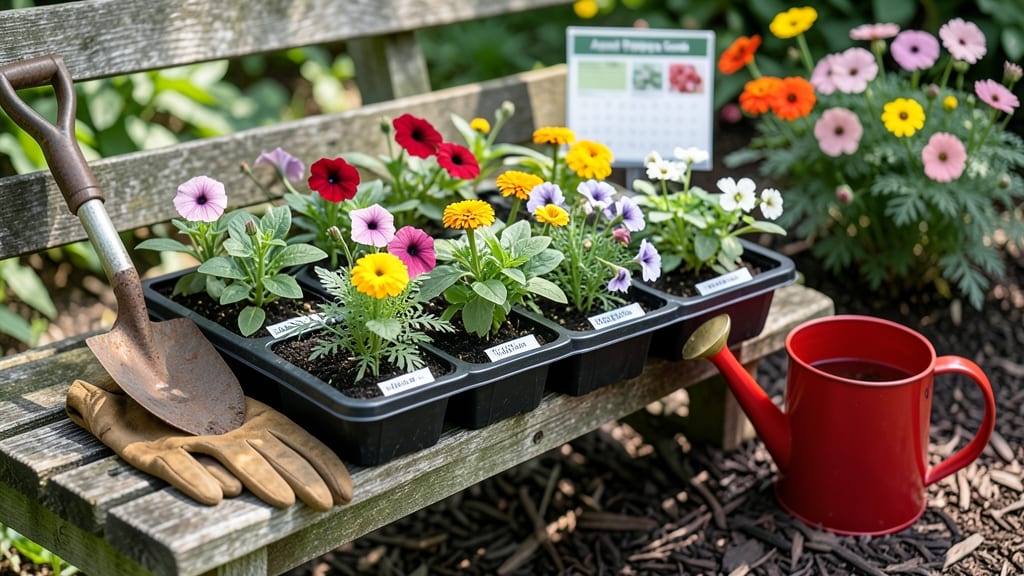
Planting flowers in Ohio at the wrong time can mean the difference between a show-stopping garden and a sad, frost-nipped disappointment—so knowing when to plant flowers in Ohio is the key to success.
With last frost dates creeping in around mid-April in most of the state, timing matters more than you might think. Whether you're dreaming of vibrant 🌸 petunias or hardy snapdragons, waiting until the soil warms to at least 60°F ensures your flowers thrive instead of shrivel.
But here's the thing: Ohio's climate varies wildly from the 6a zones of the north to the milder pockets of the south. That means your planting window could shift by weeks depending on where you live—and that’s why we’ve broken down the exact dates and tips you need.
Ready to transform your backyard into a nonstop floral display? Let’s dive into the perfect planting schedule for Ohio’s most stunning blooms, so you can enjoy color from spring through fall without a single frost-related setback.
Ohio last frost dates by region: key planting windows for annuals and perennials
Ohio’s last frost dates vary dramatically across its five regions—from mid-April in the south to late May in the north. These differences mean your Columbus garden might be ready for marigolds weeks before Toledo, while Cincinnati falls somewhere in between.
Understanding your USDA Zone 5-6 region ensures you plant annuals like petunias and perennials like coneflowers at the perfect time for frost-free growth.
For Ohio gardeners, the average last frost date ranges from April 15 in the Southeast to May 15 in the Northwest. Waiting until after these dates minimizes frost damage and gives seedlings time to establish roots before summer’s heat.
However, cold-hardy flowers like pansies or snapdragons can handle earlier plantings with frost protection.
⚠️ NON-NEGOTIABLE: Always check your local frost date forecast—unpredictable late spring frosts can still hit Ohio in May. Use the Old Farmer’s Almanac or your local Cooperative Extension office for real-time updates. My garden journal includes notes on microclimates—like urban heat islands in Cleveland or valley frosts in Appalachian Ohio—that can shift planting windows by 1-2 weeks.
In Southeast Ohio, where Cincinnati’s last frost often arrives by April 15, you can start planting cold-tolerant annuals like pansies as early as April 20. These hardy flowers thrive in 40–50°F soil and even survive light frosts.
For heat-loving varieties like marigolds or zinnias, wait until May 1 to avoid wilting in 90°F+ days.
Conversely, Northwest Ohio—including Toledo—typically sees its last frost around May 10, delaying safe planting until mid-May. Here, dahlias and celosia shine in summer, but early plantings risk frost damage.
My garden tip: Use row covers to push planting dates 2–3 weeks earlier for cold-sensitive flowers like petunias.
Ohio’s Central region, home to Columbus, offers a balanced window from May 1–15. This is ideal for perennials like coneflowers or black-eyed Susans, which establish roots before summer’s heat.
For container gardens, warm up soil with black plastic mulch to accelerate planting by 1 week—just remove it before soil temperatures exceed 85°F.
Pro Ohio gardeners know that microclimates matter. A south-facing slope in Athens might warm up 2 weeks earlier than a
How to extend your Ohio flower season: cold-hardy flowers and frost protection tips
Ohio’s unpredictable spring frosts can leave even the most eager gardeners scrambling—but the secret to earlier blooms lies in choosing cold-hardy flowers and using simple frost protection.
By selecting tough varieties like pansies and snapdragons, you can start planting as early as late March in many regions, giving your garden a head start.
These resilient flowers thrive in cooler temperatures and can even handle light frosts once established. For example, pansies often bloom through winter in Ohio’s milder zones, while snapdragons and violas tolerate brief chills. Pairing these with protective measures lets you push your planting window by 2–4 weeks without risking damage.
🌱
- 🌱 Plant cold-hardy annuals like pansies, snapdragons, and sweet alyssum 4–6 weeks before last frost (late March in most regions).
- 🛡️ Use frost cloths or row covers to protect tender seedlings during light frosts (28–32°F)—secure edges with bricks or soil.
- 🌡️ Create mini greenhouses with plastic bottles or cloches over individual plants to trap heat and shield from 24–28°F temps.
- 🌿 Mulch heavily with straw or shredded leaves (3–4 inches) to insulate soil and roots from sudden temperature drops.
- ☀️ Choose perennials with early blooms, like bleeding heart (Dicentra spectabilis) or lungwort (Pulmonaria), which emerge before annuals.
Even with these strategies, Ohio’s late-spring frosts (which can occur as late as May 10–15 in northern zones) demand vigilance.
For example, my geraniums took a hit one year when a 26°F freeze hit in early May—until I learned to monitor the National Weather Service’s frost alerts and cover plants preemptively.
If you’re growing heat-loving flowers like zinnias or marigolds, wait until after May 15 in most of Ohio to avoid stunted growth. But for cool-season favorites, like calendula or stock (Matthiola incana), you can start seeds indoors in February for early transplants.
Pro tip: Test your soil temperature with a soil thermometer—most flowers need 50–60°F soil to thrive. In cooler zones, a black plastic mulch can warm the soil by 5–10°F, giving delicate plants a safer start.
With these tricks, your Ohio garden can burst into color weeks earlier than neighbors who wait for the "perfect" date!
🌷