
Plants
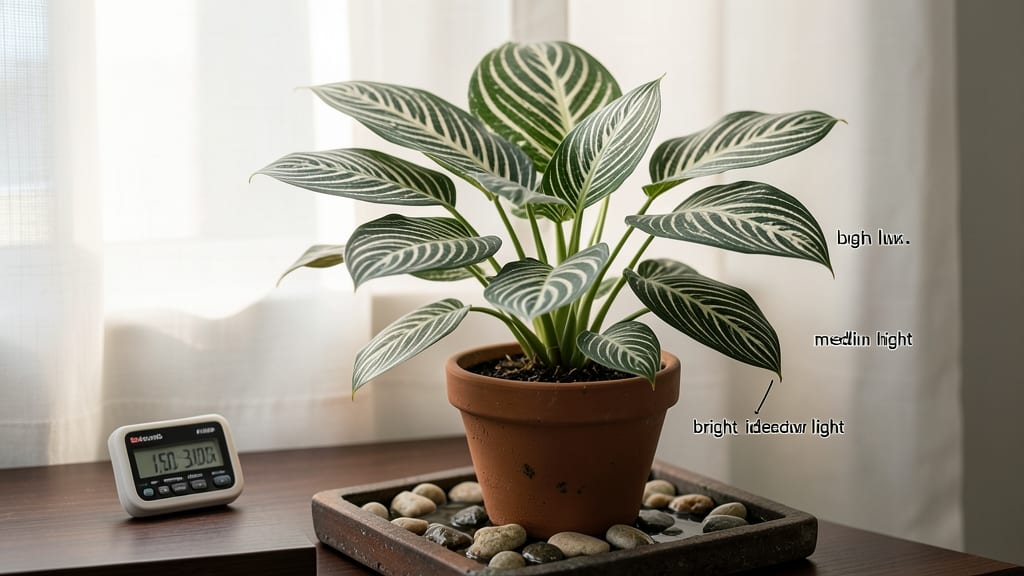
Ideal light requirements for zebra plant growth: bright indirect sunlight explained
The zebra plant (Aphelandra squarrosa) thrives in bright indirect light, making it perfect for homes with east-facing windows or filtered sunlight. Too little light causes faded stripes, while direct sun can scorch delicate leaves. Understanding these nuances ensures your plant stays vibrant and healthy year-round.
Most gardeners mistakenly assume zebra plants tolerate low light, but low-light conditions lead to stunted growth and weak foliage. The plant’s signature striped leaves rely on moderate light to develop their bold patterns.
In nature, zebra plants grow under the dappled shade of tropical forests, mimicking this environment indoors.
For optimal growth, place your zebra plant within 3-6 feet of a south- or west-facing window, where it receives 4-6 hours of bright, indirect sunlight daily.
Avoid harsh afternoon sun, which can bleach the leaves and cause leaf burn. A sheer curtain can diffuse light further if needed.
Seasonal adjustments are key: during summer months, move your plant slightly away from windows to prevent overheating. In winter, supplement natural light with grow lights if days grow short. This balance keeps your zebra plant’s foliage lush and patterned.
Outdoor gardeners can enjoy zebra plants in partial shade gardens, where they receive morning sun and afternoon shade. Pair them with hostas or ferns for a low-maintenance, shade-tolerant combination. Always acclimate outdoor plants gradually to avoid sun shock.
Zebra Plant Light Requirements Summary
| Light Type | Ideal Conditions | Signs of Stress |
|---|---|---|
| Bright Indirect | East/west window, 3-6 ft away; 4-6 hrs/day | Vibrant stripes, glossy leaves |
| Low Light | North window, deep shade | Leggy growth, faded stripes |
| Direct Sun | South window, afternoon sun | Brown patches, crispy edges |
Tip: Rotate your plant weekly for even growth.
If your home lacks natural light, grow lights are a game-changer. A full-spectrum LED bulb (6,500K) placed 12-18 inches above your plant mimics natural sunlight. Run lights for 12-14 hours daily during winter to maintain growth cycles. Test light intensity by observing leaf color: deep green means it’s perfect.
Pro tip: Use a light meter (or phone app) to measure 1,000-2,000 foot-candles of light—ideal for zebra plants. Avoid fluorescent bulbs, as they emit low-intensity light that won’t support vibrant foliage. Invest in energy-efficient LEDs for long-term success.
For gardeners in high-altitude areas, UV exposure increases, so filter light further with sheer curtains. In humid climates, boost airflow near windows to prevent fungal issues from excess moisture. These small tweaks ensure your zebra plant stays healthy and striking.
Remember: patience is key. Zebra plants may take 6-8 weeks to adjust to new light conditions. Monitor leaves closely—new growth is your best indicator of ideal lighting. With the right balance, your zebra plant will reward you with bold, eye-catching stripes for years.
Ideal light requirements for zebra plant growth: bright indirect sunlight explained
Your zebra plant (Aphelandra squarrosa) thrives in bright indirect light, mimicking its native understory habitat. Without the right exposure, those bold stripes will fade, and growth slows dramatically. The key is balancing morning sunlight with afternoon shade to prevent leaf burn while maintaining vibrancy.
Think of it like a sunbathing strategy: place your plant near an east-facing window where it gets gentle morning rays, or use sheer curtains to diffuse harsh afternoon sun.
South-facing windows work too, but only if your plant sits 6+ feet away from the glass to avoid direct rays.
🌱 Did You Know?
For outdoor growing, position your zebra plant in partial shade—think 30-50% shade cloth or under a tree with sparse branches. Avoid full sun, which causes leaf scorch and bleaches those signature stripes.
In winter months, supplement with grow lights if natural light drops below 4 hours daily.
Here’s how to test your light conditions at home: Place a white sheet of paper near your plant’s spot. If the shadows are sharp and dark, it’s too direct. For perfect bright indirect light, shadows should be soft and slightly blurred.
Seasonal adjustments matter too. During spring and summer, your zebra plant can handle up to 4 hours of morning sun, but in fall and winter, reduce exposure to 2-3 hours max to prevent stress. Rotate the pot quarter-turns weekly for even growth.
Remember: Yellowing leaves or stretched stems mean your plant isn’t getting enough light, while brown crispy edges signal too much sun. The sweet spot is 4-6 hours of bright indirect light daily—just like its tropical home.