
Flowers
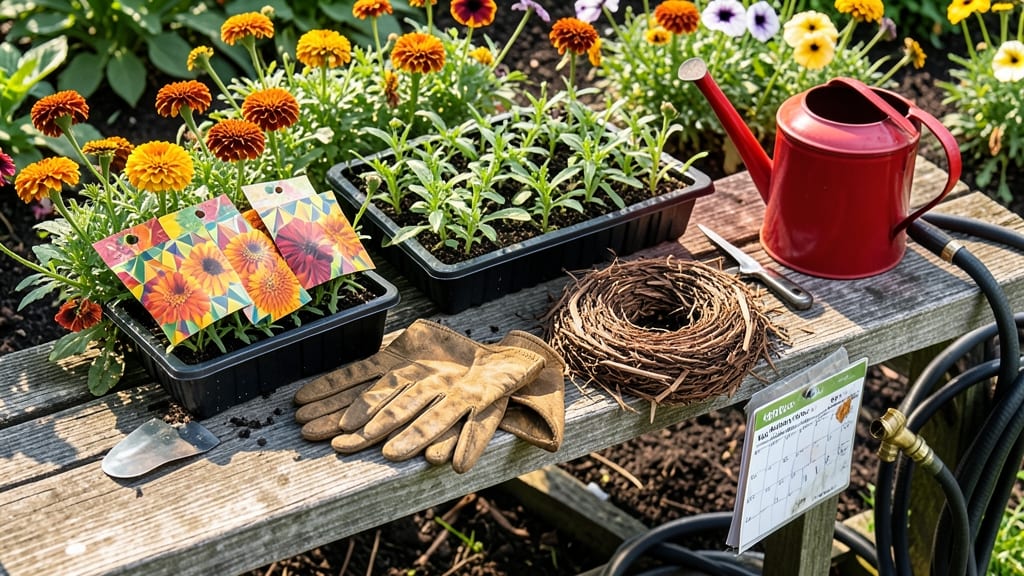
Boise idaho flower planting calendar: exact dates by season and flower type
Boise’s USDA Zone 6B climate gives us a 150-day frost-free growing season, which means timing matters more than you might think. Plant too early, and your tender annuals could get nipped by late frosts.
Plant too late, and you’ll miss out on summer blooms. Let’s break down the ideal planting windows for every flower type in Boise.
First, mark your calendar for Boise’s average last frost date: April 15 and first frost date: October 15. However, these dates can shift by 1-2 weeks depending on elevation—valley areas warm up faster than the foothills.
For cold-hardy perennials, you can plant as early as late February or early March, while tender annuals should wait until after the last frost.
Here’s your month-by-month planting guide for Boise’s most popular flowers, including annuals, perennials, bulbs, and container plants:
| Flower Type | Planting Window | Notes |
|---|---|---|
| Perennials (hardy) | Late February - Early April | Plant early for established roots before summer heat. Examples: coneflowers, lavender, daylilies. |
| Annuals (tender) | After April 15 (last frost) | Wait until soil is 50°F+. Best picks: marigolds, zinnias, petunias. |
| Bulbs (spring blooming) | September - October | Plant in fall for spring blooms. Top choices: tulips, daffodils, hyacinths. |
| Bulbs (fall blooming) | Late June - Early July | Examples: crocus, fall daffodils, autumn crocus. |
| Container Flowers | April 20 - May 10 | Use well-draining mix and protect from late frosts with frost cloth. |
| Late-Season Annuals | August 1 - September 1 | Choose cold-tolerant varieties like cosmos, asters, snapdragons. |
For spring-blooming bulbs, don’t wait until winter—plant them in late September or October to give roots time to establish before the ground freezes. If you miss this window, you can still plant in early November, but growth may be slower the following spring.
Boise’s summer heat (80°F+) can stress young plants, so always water deeply after planting and mulch to retain moisture. For container gardens, use lightweight potting mix and place pots in partial shade during peak afternoon heat to prevent wilting.
Pro tip: If you’re planting seeds indoors, start 6-8 weeks before the last frost (around February 20) for fast-growing annuals like basil or marigolds. For slow-growing perennials, start seeds indoors in March and transplant after frost.
Remember, Boise’s microclimates can vary significantly. If you’re in the foothills or higher elevations, wait 1-2 weeks longer than the average dates to avoid frost damage. Always check the Boise National Weather Service for real-time updates before planting.
Finally, don’t forget to rotate your crops yearly to prevent soil depletion and disease. For example, if you planted tomatoes in your garden last year, swap them with flowers or herbs this season to keep your soil healthy and productive.
With this precise planting schedule, your Boise garden will burst into color from spring through fall, giving you longer bloom times and healthier plants. Happy planting! 🌷
How to adjust planting times for Boise’s unique microclimates and frost risks
Boise’s USDA Zone 6B climate creates microclimate challenges that can throw off even the most experienced gardener. The valley floor often warms faster than the foothills, while urban heat islands in neighborhoods like Meridian can push temperatures 5-10°F higher than rural areas.
These variations mean your last frost date might arrive weeks earlier in one spot than another.
To navigate these differences, I always check the National Weather Service’s Boise forecast for the week leading up to my planting window. Their localized frost alerts are gold for adjusting schedules.
For example, if you’re gardening in elevated areas like Kuna or Eagle, plan to plant 2-3 weeks later than someone in the Boise Greenbelt.
Here’s how I adapt my planting timeline based on Boise’s microclimates:
Frost Risk Zones in Boise
Valley floor areas (like Downtown and North End) typically see last frosts around April 15, while foothill zones (like Hillside or West Boise) can experience frost until May 1 or later.
For tender annuals like petunias or geraniums, I recommend starting seeds indoors by late February and hardening them off by mid-April. This gives me a buffer if late frosts hit.
Hardy perennials like coneflowers or black-eyed Susans can handle being planted as early as March 15 in sheltered microclimates, but I wait until April 1 in exposed areas.
Another trick I use is row covers or cold frames to extend the season. These can push your planting window 2-4 weeks earlier in spring or 3-5 weeks later in fall. Just
When selecting plants, prioritize cold-hardy varieties like sweet alyssum, pansies, or stock. These can tolerate light frosts and give you earlier blooms. For late-season color, cosmos and asters are my go-tos—they thrive in Boise’s short growing season and often keep blooming until the first hard frost.
Finally, always have a back-up plan for late frosts. I keep a supply of burlap sacks and frost cloth on hand to protect young plants. With these adjustments, you’ll turn Boise’s microclimates from a challenge into an advantage for a longer, more vibrant bloom season. 🌱