
Planting
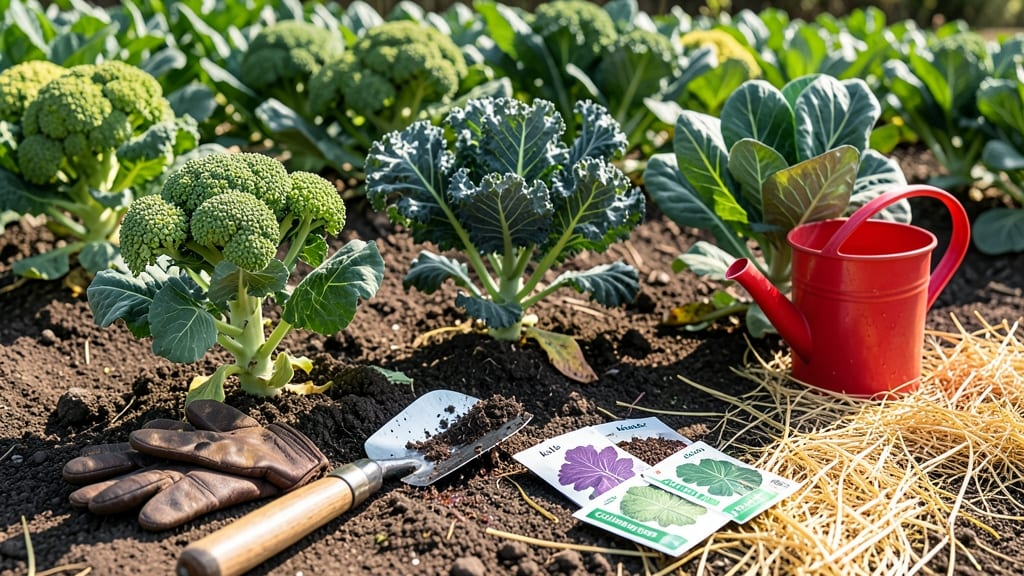
Planting a fall garden in Houston, Texas, isn't just about timing—it's about outsmarting the city's stubborn heat and unpredictable shifts from summer to winter. If you miss the August-October window, you risk either wilting seedlings under late summer sun or watching frost nip your harvest before December.
The key? Starting 6-8 weeks before your first frost—which for Houston typically lands around mid-November—while avoiding the dog days of July and August when soil temperatures can still flirt with 90°F.
I've learned the hard way that Houston's Zone 9a climate demands a different approach than northern gardens. While cooler regions plant in early spring, here we're working with a compressed schedule where 🥬 leafy greens and root vegetables need to establish before temperatures dip.
The solution? Focus on heat-tolerant varieties like collards or okra for early August starts, then transition to broccoli and carrots by mid-September when daytime highs finally drop below 85°F.
What sets Houston apart is our microclimates—your neighbor's garden might thrive while yours struggles due to shade from towering pecan trees or urban heat islands.
That's why I'll walk you through exactly which crops to plant when, how to prep your soil for fall's moisture shifts, and when to pull the trigger on frost protection.
No more guessing games about whether your kale will survive November's chill or if your tomatoes will bolt before they ripen.
By the end, you'll have a clear timeline for both direct sowing and transplanting, plus a checklist to track your progress through Houston's fall planting deadlines.
Let's turn your garden from a seasonal gamble into a reliable harvest—one that actually tastes better than store-bought and arrives just in time for holiday feasts.
Houston fall planting deadlines by heat Zone 9b: exact dates for zero-frost success
Houston’s Heat Zone 9b creates a unique challenge for fall gardeners—balancing late-summer heat with early-frost risks. The average first frost date is November 15, but microclimates (like urban heat islands) can push this earlier.
To maximize your harvest, start planting cool-season crops 6-8 weeks before frost, which translates to late August to early October for Houston.
Direct sowing and transplanting have different timelines. Leafy greens like kale and spinach can handle mild heat if planted by mid-September, while root vegetables (carrots, beets) thrive when soil temps drop below 85°F, ideally after late August. Transplants (like broccoli or cabbage) should go in 4-6 weeks before frost, so aim for early to mid-September.
🌱 Key Takeaway: Houston’s fall garden success hinges on soil temperature, not just air temperature. Use a soil thermometer to confirm ideal planting temps (60-75°F) before sowing seeds.
| Planting Window | Crops | Last Safe Planting Date | Notes |
|---|---|---|---|
| Late August - Early September | Okra, Sweet Potatoes, Peppers | September 15 | Heat-tolerant; harvest before frost |
| Mid-September | Leafy Greens (Kale, Spinach), Lettuce | October 15 | Sow every 2 weeks for continuous harvest |
| Early to Mid-September | Broccoli, Cabbage, Carrots | October 1 | Transplant seedlings for best results |
| Late September - Early October | Radishes, Turnips, Green Onions | November 1 | Fast-growing; ideal for late-season harvests |
For heat-tolerant crops like collard greens or Swiss chard, you can push planting to early October—these thrive in mild fall temps and even tolerate light frosts. However, avoid planting frost-sensitive crops (e.g., basil, cucumbers) after mid-September, as they’ll bolt or fail to thrive.
Houston’s urban heat islands can delay frost by 1-2 weeks in city centers. Monitor local forecasts and use frost cloth if temperatures dip below 32°F. For rural areas, frost may arrive earlier, so adjust planting dates accordingly.
Pro tip: Succession planting is your best friend in Houston’s fall garden. Sow fast-growing crops like radishes or lettuce every 2 weeks from September to October to ensure a steady harvest before frost sets in.
Soil prep is non-negotiable. Houston’s clay-heavy soil retains heat, so amend with compost or aged manure to improve drainage and fertility. Aim for a pH of 6.0-7.0 for most fall vegetables.
Don’t forget mulching! Apply 2-3 inches of straw or wood chips to retain moisture and regulate soil temperature. This is especially critical in late September when daytime heat persists but nights grow cooler.
Finally, keep an eye on Houston’s unpredictable weather. A cold front in October can drop temps rapidly—be ready to protect tender plants with row covers or move potted crops indoors if needed.
Best fall vegetables for Houston gardens: heat-tolerant vs. cool-season crops
Houston’s fall garden thrives when you balance heat-tolerant crops with cool-season stars. Okra and sweet potatoes handle late summer’s lingering heat, while kale and broccoli shine as temperatures drop. The key? Plant heat-lovers in August and cool-season crops by mid-September to avoid frost risks.
Start with okra and sweet potatoes—these heat-loving plants thrive in Houston’s 90°F+ soil. Sow seeds directly in well-draining beds with 6+ hours of sun. For cool-season crops like kale or carrots, wait until early September when soil temps drop below 85°F.
🌱 Heat-Tolerant Crops
- Okra: 90+°F soil; sow August
- Sweet Potatoes: 80-90°F soil; plant July-August
- Black-Eyed Peas: 75-85°F soil; direct sow August-September
🥬 Cool-Season Crops
- Kale: 60-70°F soil; transplant September-October
- Carrots: 55-75°F soil; sow September-November
- Broccoli: 60-70°F soil; plant September-October
Companion planting boosts yields in Houston’s fall garden. Pair okra with basil to deter pests, or plant carrots near onions to improve flavor. For cool-season beds, mix kale with radishes—radishes mature quickly and mark rows for slower-growing greens.
Spacing matters! Okra needs 12-18 inches between plants, while carrots thrive in 2-3 inch spacing. Use raised beds for root crops to prevent soil compaction, a common Houston issue. Mulch with straw to retain moisture and suppress weeds during fall’s erratic rains.
Extend your harvest by choosing slow-bolting varieties like ‘Winterbor’ kale or ‘Danvers’ carrots. These varieties tolerate Houston’s mild winters (Zone 9b’s 30°F lows) and keep producing until January. For extra protection, cover beds with frost cloth after November 15.
Pro tip: Test your soil’s pH (6.0-7.0) before planting. Houston’s clay soil often needs compost or aged manure to improve drainage. Amend beds in late summer so nutrients are ready for fall crops.