
Plants
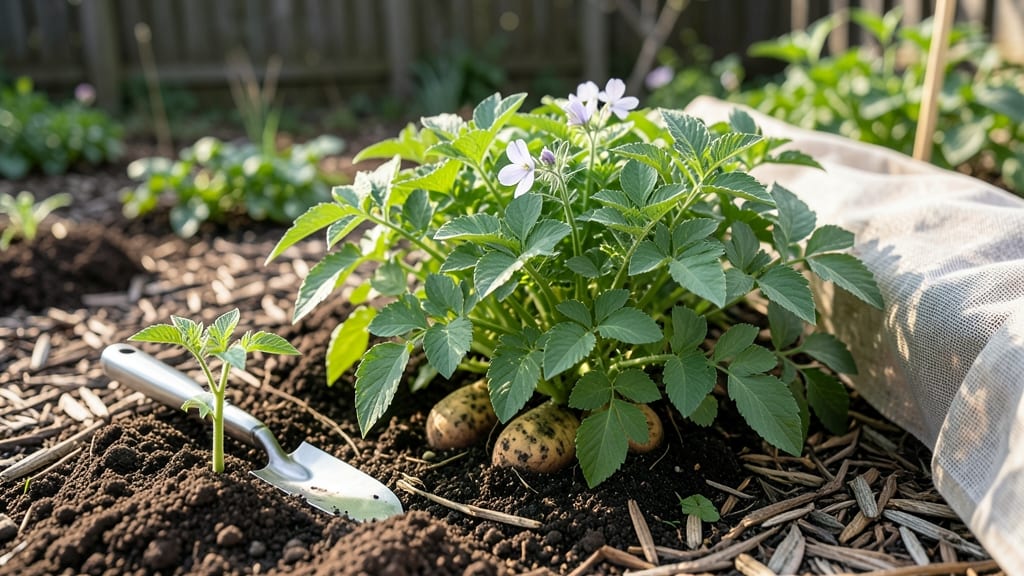
Timing when you can plant potatoes in Zone 7 can make or break your harvest—get it wrong, and you might end up with stunted 🥔 or worse, a total loss to frost.
The key is planting your seed potatoes when the soil warms enough to prevent rot, but not so late that the plants can't mature before the first frost.
Most gardeners in Zone 7 aim to plant between mid-March and early April, but the exact window depends on your variety and soil conditions. Early potatoes can go in as soon as the ground is workable, while later varieties need warmer soil to thrive.
If you're unsure, soil thermometers are your best friend—wait until temperatures hit 45°F at least an inch deep.
Don't let frost dates stress you out—there are smart ways to extend your growing season. Whether you're choosing cold-hardy varieties or using row covers, I'll show you how to maximize your potato yield without guessing. Let's dive into the exact steps to plant for a bumper crop.
By the end, you'll know not just when to plant, but how to protect your potatoes from early frost and common mistakes that sabotage harvests. Ready to turn your Zone 7 garden into a potato powerhouse? Let's get started.
Zone 7 potato planting dates: exact timing for early, mid, and late varieties
In Zone 7, timing your potato planting is everything—miss the window, and you risk frost damage or stunted growth. The key is planting 2-4 weeks before your last frost date (typically around March 15 in most Zone 7 regions).
This gives tubers enough time to mature before summer heat or early fall frosts arrive. For best results, aim for early April to mid-May, but adjust based on your specific microclimate.
Potatoes thrive when soil temperatures reach 45°F (7°C)—any earlier, and growth slows dramatically. Use a soil thermometer to confirm readiness, especially if your spring is unpredictable. Cold soil can lead to rotten seed potatoes or delayed sprouting, wasting your entire season.
Plan ahead by chitting (pre-sprouting) your seed potatoes indoors 4-6 weeks before planting to jumpstart growth.
Not all potato varieties suit Zone 7’s short growing season. Early varieties like Yukon Gold or Red Pontiac mature in 60-90 days, while late varieties like Russet Burbank need 100-120 days.
Choose wisely—planting late-maturing types too early risks overcrowded tubers or disease before harvest. Your goal? Harvest before the first frost (usually November 15 in Zone 7).
| Variety Type | Ideal Planting Window | Days to Maturity | Zone 7 Risk Factors |
|---|---|---|---|
| Early (New Potatoes) | Early April - Mid-April | 60-80 days | Late blight if planted too late |
| Mid-Season (All-Purpose) | Mid-April - Early May | 90-110 days | Frost damage if harvested late |
| Late (Storage) | Late April - Early May | 110-130 days | Over-maturity before frost |
🌱 Pro Tip: For a continuous harvest, plant early varieties first, followed by mid-season 2-3 weeks later.
Your local last frost date isn’t the only factor—soil warmth matters more.
Test your soil’s readiness by pressing your hand into the ground; if it feels cool to the touch, wait. Black plastic mulch can warm soil by 5-10°F faster than bare earth, giving you a 2-week head start in cooler springs.
Lay it down 1-2 weeks before planting to maximize heat absorption. Pair this with straw mulch after emergence to retain moisture and suppress weeds.
Zone 7 gardeners often overlook fall planting, but it’s a smart strategy for late harvests. Plant seed potatoes in late August to early September for a winter harvest (before the ground freezes). Choose cold-hardy varieties like Kennebec or Dark Red Norland, which tolerate light frosts.
Harvest before the ground freezes solid—typically by November 1 in most Zone 7 areas. This method extends your growing season by 6-8 weeks.
If your Zone 7 spring is unusually cold, consider container growing. Fill large pots with well-draining soil and plant seed potatoes when soil reaches 50°F (10°C). Containers warm up faster and let you move plants to sunny spots or even indoors on cold nights.
Just ensure pots have drainage holes to prevent rot—potatoes hate soggy roots. This flexibility is a game-changer for late starters or areas with unpredictable frost dates.
Never plant potatoes in fresh manure or high-nitrogen soil—it encourages leafy growth at the expense of tubers. Instead, mix in composted organic matter before planting for a balanced 10-10-10 fertilizer ratio.
Side-dress with potassium-rich fertilizer (like greensand) when flowers appear to boost tuber development. Over-fertilizing with nitrogen is a common mistake that leads to leafy monsters with tiny potatoes.
Monitor your potatoes’ progress with the "hill method": mound soil around stems every 2-3 weeks to prevent greening (toxic solanine buildup). Stop hilling 2 weeks before harvest to avoid damaging tubers.
In Zone 7, your last hilling should occur by late June to ensure potatoes mature before summer’s end. Use a garden fork to gently loosen soil and encourage deeper tuber formation.
Harvest timing is critical—wait too long, and potatoes become woody or sprouted. Dig up a few test tubers when plants flower and foliage yellows. If skins are thick and dry, it’s time to harvest. In
Zone 7 potato planting dates: exact timing for early, mid, and late varieties
In Zone 7, timing your potato planting is everything—miss the window, and you risk stunted tubers or frost damage. The last average frost date for Zone 7 is typically around March 15, but soil conditions matter more than calendar dates.
Aim to plant 2-4 weeks before your last frost, when soil temperatures reach 45°F (7°C) at least 1 inch deep. This usually lands between late February and mid-April, depending on your exact microclimate.
Potatoes thrive in cool soil but struggle when temperatures exceed 80°F (27°C). In Zone 7, this means early spring planting is ideal, but you can also try fall planting for a second harvest.
However, fall-planted potatoes need to mature before the first frost (November 15), leaving a narrower window. Let’s break down the best times for each variety type.
| Variety Type | Planting Window | Days to Maturity | Ideal Soil Temp | Zone 7 Notes |
|---|---|---|---|---|
| Early Varieties (e.g., 'Yukon Gold', 'Red Norland') | Late February - Early March | 60-90 days | 45-55°F (7-13°C) | Fastest harvest; plant first for earliest yield. |
| Mid-Season (e.g., 'Kennebec', 'Russet') | Mid-March - Early April | 90-110 days | 50-60°F (10-16°C) | Balanced growth; best for storage. |
| Late Varieties (e.g., 'Purple Viking', 'German Butterball') | Early April - Mid-April | 110-120 days | 55-65°F (13-18°C) | Riskier in Zone 7; use frost covers. |
| Fall Planting (e.g., 'Red LaSoda') | Mid-August - Early September | 60-80 days | 50-60°F (10-16°C) | Fast-growing; harvest before first frost. |
For Zone 7 gardeners, I recommend starting with early or mid-season varieties—they’re the most forgiving. If you’re tempted to plant late varieties, use black plastic mulch or straw mulch to warm the soil faster.
Pro tip: Chit your seed potatoes (expose them to light for 2-3 weeks before planting) to jumpstart growth and shave off critical days.
Don’t overlook soil preparation, either. Potatoes need loose, well-draining soil with a pH between 5.0 and 6.5. Work in compost or aged manure 2-3 weeks before planting to give roots room to expand.
If your soil is heavy clay, consider raised beds—they warm up faster in spring and drain better.
One common mistake I see in Zone 7 is planting too early when soil is still cold. Cold soil causes potatoes to rot before they sprout. To test soil readiness, stick your finger 1 inch deep—if it’s cool but not icy, it’s time.
For extra insurance, use a soil thermometer ($10 at garden centers) to confirm temperatures are above 45°F (7°C).
Finally, mark your calendar for harvest time. Most potatoes are ready 70-120 days after planting, but watch for yellowing foliage and hardened skins—these are your cues.
In Zone 7, aim to harvest before July 15 to avoid heat stress, which can turn tubers bitter or cause skin to crack.