
Planting
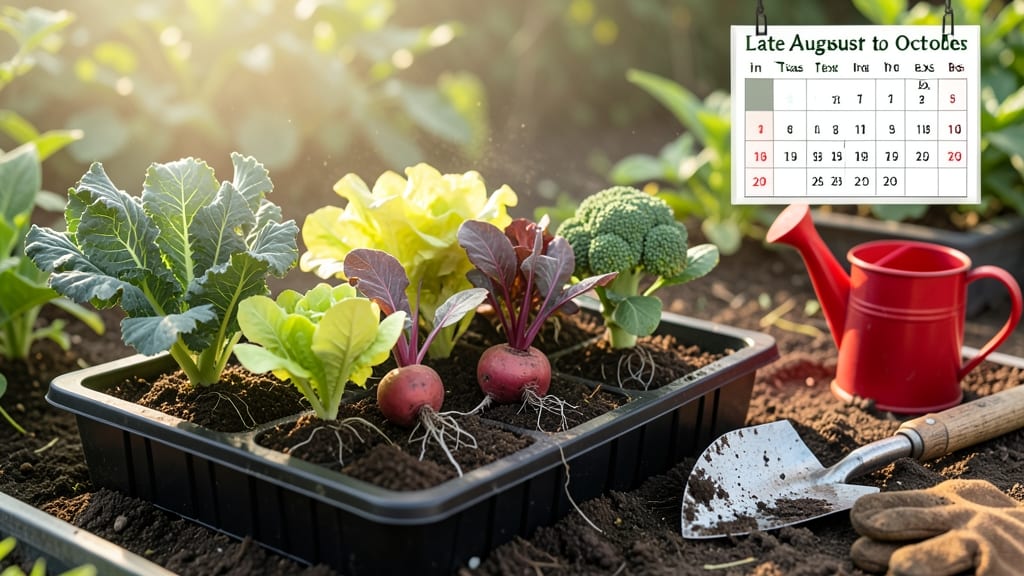
Planting a fall garden in Texas isn't just about throwing seeds into the dirt—it's about working with the state's unpredictable heat and knowing exactly when to act before the seasons shift. Miss the window, and your 🥬 greens will bolt in August heat or get ruined by an early chill.
The key lies in understanding Texas's unique heat zones (8a-10b), where "late July" can mean 30°F difference between North and South Texas.
Most gardeners assume they have until September to plant, but in reality, the magic window closes much earlier—especially in the hottest zones. If you wait until August, your lettuce might turn bitter, and your broccoli could flower before you even harvest.
That's why timing isn't just about dates; it's about soil temperature, humidity, and even your local microclimate.
What if you could extend your harvest well into November—without risking frost or wasting seeds? I'll show you how to pinpoint the exact planting deadlines for your Texas region, plus the top 8 zero-frost crops that thrive when others fail.
No more guesswork, just a garden that keeps giving long after Labor Day.
Whether you're a first-time gardener or a veteran with a few failed attempts under your belt, this guide cuts through the confusion.
You'll learn which crops to prioritize, how to prep your soil for the transition from summer heat to fall cool, and even how to cheat the system with simple tricks like shade cloths and succession planting. Let's get those seeds in the ground at the perfect moment.
Texas heat zones explained: when to plant fall crops by region
Texas spans USDA Hardiness Zones 8a through 10b, meaning our fall planting windows vary dramatically from the Panhandle (Zone 8a) to South Texas (Zone 10b). Unlike northern states, Texas rarely gets hard frost in the warmest zones, but heat stress and bolting are bigger threats.
Your goal? Plant zero-frost crops when soil temps drop below 85°F but before September heat spikes.
In North Texas (Zones 8a-8b), aim for late July to early August—this gives crops like lettuce and radishes time to mature before first frost risks (typically mid-December).
Meanwhile, South Texas (Zones 9a-10b) can plant until mid-September thanks to milder winters. Urban areas like Austin and San Antonio often experience microclimates with 5–10°F warmer temps than rural zones.
Here’s the critical rule: Soil temperature >85°F = bolting risk. Use a soil thermometer ($10 at garden centers) to check depths of 2–4 inches. Direct-seed heat-tolerant crops like okra or sweet potatoes when soil cools to 75–80°F, while cool-season crops (e.g., kale) need 60–65°F soil.
Pro tip: Transplant seedlings (not direct-sow) for leafy greens like spinach or mustard greens—they bolt faster in 90°F+ soil. Start seeds indoors under grow lights 4–6 weeks before your zone’s last safe planting date.
🌡️ Key temperature thresholds for Texas fall planting:
| Zone | Last Safe Planting Date | Soil Temp Goal (°F) | First Frost Risk | Urban Adjustment |
|---|---|---|---|---|
| 8a (Panhandle) | Late July | 65–70°F | Mid-December | Plant 2 weeks earlier |
| 8b (North TX) | Early August | 70–75°F | Late December | 1 week earlier |
| 9a (Central TX) | Mid-August | 75–80°F | January 15 | None (mild winters) |
| 10a (South TX) | Mid-September | 80–85°F | Rare (Zone 10b: none) | Plant until October |
For example, if you’re in Amarillo (Zone 8a), direct-sow radishes by July 20 to harvest before December frost. In Houston (Zone 9a), you can plant collards until September 15 and harvest through January. South Texas gardeners (Zones 10a–10b) often enjoy year-round greens with minimal frost risk.
Watch for heat advisories—even in fall, 95°F+ soil can stunt broccoli or cauliflower growth. Mulch with straw (2–3 inches) to insulate roots and retain moisture. Drip irrigation set to early morning (5–8 AM) prevents leaf scorch from afternoon heat.
🌱 Regional planting hacks:
- North Texas: Use row covers to protect spinach from September heat.
- Central Texas: Succession plant lettuce every 2 weeks for continuous harvests.
- South Texas: Grow Malabar spinach—it thrives in 90°F+ and tastes like okra.
Remember: Texas fall gardens succeed when you plant for heat escape, not frost avoidance. Focus on cooling soil temps, not calendar dates. Test your soil weekly—if it’s above 85°F, delay planting or use shade cloth (30–50%) to buy time.
💡 Quick zone check: Use the Texas A&M AgriLife Extension frost map ([link](https://agrilifeextension.tamu.edu)) to find your last frost date. Then, plant 6–8 weeks before that
Texas heat zones explained: when to plant fall crops by region
Texas isn't one-size-fits-all when it comes to fall planting. The state spans USDA Zones 8a-10b, where a July 15th planting in El Paso (Zone 8a) might bolt your greens, while the same date in Houston (Zone 9a) gives you perfect growing conditions.
Understanding these zones helps you avoid the 30-day window between heat and frost that defines Texas fall gardening.
Most Texas gardeners focus on zero-frost crops like lettuce, spinach, and radishes, which thrive when daytime temps drop below 85°F.
But timing varies dramatically: In North Texas (Zone 8a), your last safe planting window closes by mid-August, while South Texas (Zone 10a) can handle plantings until early September. Even within cities, microclimates matter—urban areas stay 5-10°F warmer than rural zones.
Here’s the critical rule: Plant 6-8 weeks before your average first frost (or after Labor Day in South Texas). But since Texas doesn’t have consistent frost, we use soil temperature as our guide—aim for 50-65°F for most cool-season crops. Use a soil thermometer to check before planting; if it’s above 75°F, your seeds will struggle.
| Texas Region | USDA Zone | Last Safe Planting Window | Key Crop Examples | Microclimate Notes |
|---|---|---|---|---|
| North Texas (Dallas/Fort Worth) | 8a | Late July - Early August | Lettuce, Spinach, Radishes | Urban areas 5°F warmer; rural cooler. |
| Central Texas (Austin/San Antonio) | 8b-9a | Mid-August - Late August | Kale, Broccoli, Carrots | Hill Country stays cooler; cities heat up faster. |
| South Texas (Houston/Beaumont) | 9a-9b | Early September - Mid-September | Okra, Sweet Potatoes, Malabar Spinach | Coastal areas stay humid longer; inland dries faster. |
| West Texas (El Paso/Midland) | 8a | Late July - Early August | Turnips, Swiss Chard, Peas | Desert zones dry out quickly; irrigate deeply. |
Pro tip: If you’re in Zone 10a (South Texas), you can push plantings into early October for crops like collard greens and mustard greens, which handle brief cold snaps.
But for Zone 8a, even a September 1st planting risks bolting—so prioritize fast-maturing varieties (like 30-day radishes) if you wait.
Don’t let these deadlines stress you out. Even a 2-week delay can mean the difference between a bountiful harvest and a bitter disappointment.
Use shade cloth to buy time if you’re late, or opt for heat-tolerant varieties like Malabar spinach or Swiss chard, which handle 90°F+ soil better than traditional greens.
Next, we’ll dive into the top 8 zero-frost crops that thrive in Texas’s fall heat—plus their exact planting windows to avoid common pitfalls. 🌱