
Companion Plants
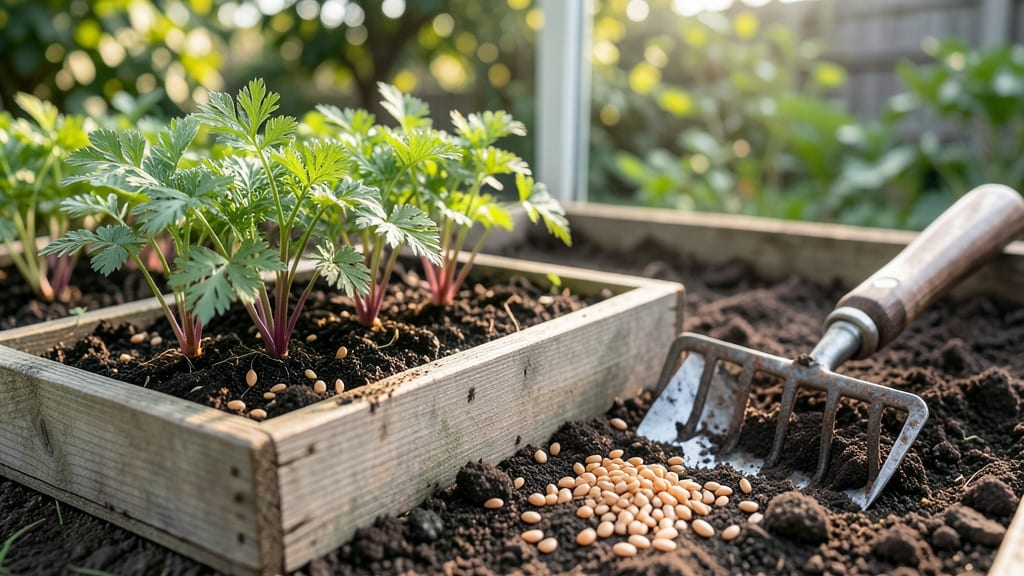
Planting carrots in Zone 6 at the wrong time can turn your garden dreams into a bitter disappointment—think tough, forked roots or bolting before you even get to harvest.
The key to sweet, crisp 🥕 roots lies in knowing exactly when to put those seeds in the ground, and trust me, timing matters more than you think.
Most gardeners in Zone 6 rush to plant as soon as the soil looks workable, but that’s a recipe for failure. You need to wait until the soil temperature hits 50°F—too early, and your seeds will rot; too late, and you risk bolting before summer’s heat sets in.
Let me show you the exact windows that work, plus how to adjust for Zone 6’s unpredictable spring freezes.
Whether you’re a first-timer or a seasoned gardener, getting this right means the difference between a bountiful harvest and a sad patch of stunted veggies.
I’ll walk you through the best planting dates for both spring and fall crops, plus pro tips to keep your carrots from turning woody or splitting. Ready to grow carrots that actually taste like carrots?
From soil prep to harvest timing, this guide covers everything you need to know to turn your Zone 6 garden into a 🥕 paradise. Let’s get those seeds in the ground at the perfect moment!
Best weeks to plant carrots in Zone 6 before last frost (with exact dates)
In Zone 6, the difference between crisp, sweet carrots and woody, bitter roots often comes down to planting timing. Carrots thrive when soil temperatures stay between 45°F and 85°F, but Zone 6's unpredictable spring freezes and hot summers demand precision.
Let's break down the exact planting windows for your region.
Most Zone 6 gardeners succeed with two planting cycles: early spring and late summer. The key is avoiding frost while ensuring roots mature before summer heat triggers bolting.
For spring plantings, aim to sow seeds 4-6 weeks before your last frost date—typically between mid-March and early April in most of Zone 6.
Here's the critical detail: soil temperature matters more than air temperature. Carrot seeds won't germinate well below 50°F. Use a soil thermometer to confirm your garden bed has reached this threshold before planting. In colder Zone 6a areas, wait until late April when soil warms consistently above 55°F.
🥕 Zone 6 Carrot Planting Timeline
| Planting Window | Soil Temp Requirement | Last Frost Buffer | Harvest Window |
|---|---|---|---|
| Early Spring (Zone 6b) | 50-60°F | 4-6 weeks before last frost | June-August |
| Late Spring (Zone 6a) | 55-65°F | 3-4 weeks before last frost | July-September |
| Late Summer (Both Zones) | 60-70°F | 10-12 weeks before first frost | October-November |
Note: Use row covers to extend spring planting by 2-3 weeks if frost threatens.
For fall plantings, the window narrows but offers excellent results. Sow seeds between mid-July and early August to ensure harvest before Zone 6's first frost (typically mid-October). Choose short-day varieties like 'Paris Market' or 'Little Finger' that mature in 50-60 days to avoid summer heat stress.
Pro tip: Succession planting every 2 weeks in spring and fall gives you a continuous harvest. In Zone 6, this means sowing new seeds on March 15, April 1, April 15 for spring, and July 15, July 30, August 15 for fall.
This staggered approach prevents glut and ensures fresh carrots all season.
Remember that Zone 6's microclimates vary significantly. If you're in a valley or low-lying area, frost lingers longer—delay planting by 1-2 weeks compared to hilltops. Always check your local frost dates using resources like the USDA Plant Hardiness Zone Map or Almanac's Frost Calculator.
One common mistake is planting too early when soil is still cold. Carrot seeds can take 2-3 weeks to germinate in ideal conditions, but cold, wet soil can stretch this to 4-6 weeks, leaving your crop vulnerable to frost damage.
Always test soil temperature with a thermometer before committing to planting.
For gardeners in Zone 6a (colder sub-zone), consider using black plastic mulch to warm soil faster in spring. Lay down the mulch 1-2 weeks before planting to create a 5-10°F warmer microclimate that speeds germination and growth.
Finally, never underestimate Zone 6's summer heat. Carrots planted in June or later often bolt prematurely when daytime temperatures exceed 85°F. To combat this, provide afternoon shade with floating row covers or plant in partial shade areas of your garden.
How to adjust planting time for extra-sweet carrots in Zone 6's climate
Zone 6’s unpredictable climate—with sudden spring freezes and scorching summers—can turn your carrot dreams into a bolting nightmare. But don’t worry: with a few smart adjustments, you can trick your carrots into growing sweeter and longer than ever.
The secret? Extending the growing season, choosing the right varieties, and using simple tools like row covers.
First, focus on fast-maturing varieties like 'Early Nantes' or 'Paris Market', which reach harvest in just 50-60 days. These beat the heat and give you a head start before summer’s intensity peaks.
I’ve had the best luck with these in my Zone 6 garden, especially when planted in late April or early July.
For extra-sweetness, aim to harvest before the roots develop woody fibers—a common pitfall in Zone 6’s hot summers. Pull carrots when they’re 1-2 inches in diameter, and you’ll taste the difference: crisp, sweet, and flavorful instead of bitter.
Timing is key here, so mark your calendar for June 15 and September 1 as your target harvest dates for spring and fall crops, respectively.
🌱
Use lightweight fabric to protect early spring plantings from late frosts (common in Zone 6 until mid-April). Remove covers when temps hit 70°F to avoid overheating.
Sow seeds every 2-3 weeks from March to July for a continuous harvest. This ensures you’re always pulling fresh, tender carrots.
For summer plantings, opt for 'Danvers Half Long' or 'Chantenay', which handle partial shade better than standard types.
Apply 2-3 inches of straw or shredded leaves to retain moisture and prevent soil from heating up too quickly in summer.
Avoid evening watering to reduce bolting risk. Aim for 1 inch of water per week, delivered directly to the soil.
Don’t overlook fall planting—this is your golden ticket to sweetest carrots in Zone 6. Sow seeds in late July or early August for a harvest before the first frost (usually mid-October).
The cooler temps slow growth, letting roots develop natural sugars without turning woody. I’ve found that carrots planted in fall taste like they’re from a farmers' market!
Finally, watch for bolting signs (long stems, yellowing leaves) in spring or fall. If you spot them, harvest immediately or thin the patch to reduce competition.
With these adjustments, you’ll avoid the common pitfalls of Zone 6 gardening and enjoy carrots that are juicy, sweet, and perfectly sized every time. 🥕