
Plants
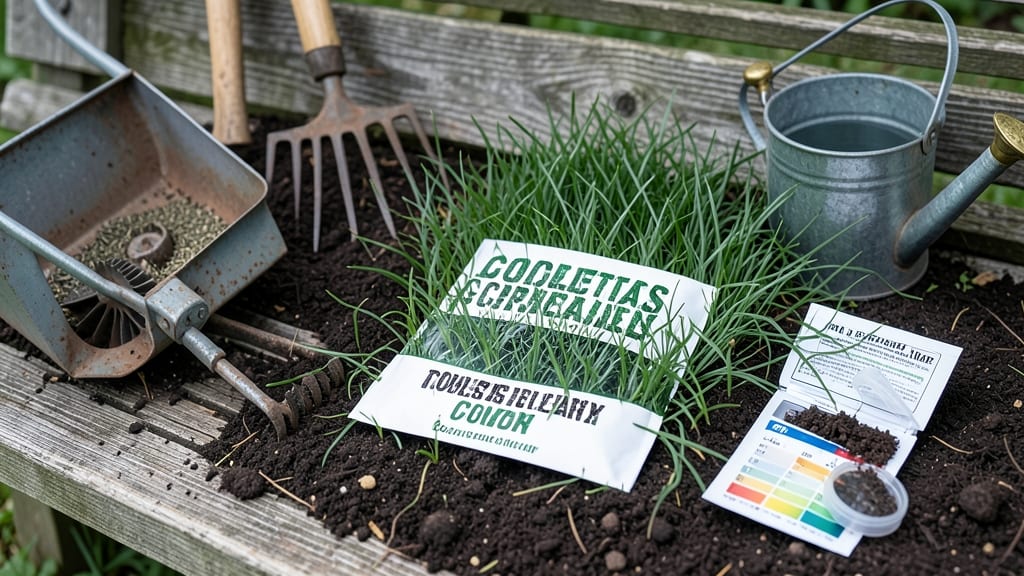
Planting your Grass Seed (Turfgrass) 🌱 at the wrong time in Connecticut can turn your lawn dreams into a patchy, high-maintenance nightmare—soil temperature and seasonal timing are the real game-changers here.
I’ve seen firsthand how a spring planting can struggle with summer droughts while a fall seeding gets crowded out by weeds if planted too late. The key? Timing it right for Connecticut’s 5b-6b climate, where soil temps and frost dates make all the difference.
In this guide, I’ll break down the best windows for planting—whether you’re seeding in early spring or early fall—plus how to prep your soil and avoid common mistakes that waste time and money.
Ready to grow a thick, lush lawn? Let’s dive into the exact timing and steps that actually work for Connecticut’s unpredictable weather.
Optimal Connecticut grass seed planting times by soil temperature
Connecticut’s USDA zones 5b-6b mean your grass seed germination success hinges on soil temperature, not just calendar dates. The ideal window is when soil reaches 50-65°F—too cold, and seeds rot; too hot, and they dry out before sprouting.
Let’s break down the perfect planting times for Connecticut’s microclimates, from coastal New Haven to inland Hartford.
Coastal areas like Groton and Stamford experience milder springs and falls, giving you a 2-3 week longer window than inland zones. Inland regions near Waterbury or Litchfield Hills face earlier frosts, so timing is even more critical.
I’ll show you exactly when to plant for maximum root establishment before winter or summer stresses set in.
Soil temperature is your best guide—use a soil thermometer ($10 at garden centers) to confirm readiness. For spring planting, wait until the ground warms to 55°F after the last frost (typically mid-April). For fall planting, aim for 60°F soil about 6 weeks before first frost (usually late August to early September).
🌱 Connecticut Grass Seed Planting Timeline
| Season | Ideal Planting Window | Soil Temp (°F) | Key Considerations |
|---|---|---|---|
| Spring | Mid-April to early May | 50–65°F | Avoid planting too early (cold soil = poor germination); watch for spring droughts in May. |
| Early Fall | Late August to early September | 55–65°F | Best time! Cooler temps reduce weed competition and water stress; grass establishes before winter. |
| Late Fall | October (risky) | 45–55°F | Only attempt if soil stays above 45°F; seeds may not germinate before frost. |
| Summer | Avoid (June–July) | >75°F | Seeds dry out; overseeding in August is safer than full summer planting. |
| Winter | Never | <40°F | Frost kills seeds; wait for spring or fall. |
Pro tip: Use cool-season grasses like Kentucky Bluegrass or Fine Fescue—they thrive in Connecticut’s climate. Warm-season grasses (e.g., Bermuda) are rare here and need 75°F+ soil, which isn’t ideal for our short summers. Stick to cool-season varieties for reliable results.
For coastal Connecticut (e.g., New London), you can push planting into early October if soil stays above 50°F. Inland areas should stop by September 15th to avoid frost damage. Test your soil’s moisture retention too—sandy soils dry out faster and may need hydration adjustments.
Remember: Germination takes 7–21 days, depending on soil temp. If you plant in late August, your grass should establish roots before first frost (usually mid-October). For spring planting, aim to finish by May 1st to avoid summer heat stress.
One common mistake? Planting when air temperature is warm but soil is still cold. Check both—use a soil thermometer at 4-inch depth (where roots grow). If it’s below 50°F, wait. Patience now = lush lawn later.
🌱
Optimal Connecticut grass seed planting times by soil temperature
Connecticut’s 5b-6b USDA zones mean your grass seed germination hinges on soil temperatures between 50°F and 65°F. Planting too early or late can leave your lawn struggling with frost damage or summer droughts. For coastal areas, aim for 2-4 weeks earlier than inland zones due to milder microclimates.
In spring, soil warms to 50°F+ by mid-April, making early April to mid-May ideal. In fall, target late August to early October when soil stays above 60°F but before frost arrives in mid-October. These windows ensure consistent moisture and minimal weed competition.
Here’s how Connecticut’s regional microclimates shift ideal planting windows:
| Region | Best Soil Temp | Spring Window | Fall Window |
|---|---|---|---|
| Coastal (e.g., New Haven, Stamford) | 50°F–65°F | Late March–May 1 | Late August–early October |
| Inland (e.g., Hartford, Litchfield) | 50°F–65°F | Mid-April–May 15 | Early September–mid-October |
| Northern (e.g., Torrington, Waterbury) | 50°F–65°F | Late April–May 20 | Early September–late September |
Use a soil thermometer to confirm temps before planting—below 50°F delays germination, while above 70°F stresses young seedlings. In spring, prioritize Kentucky Bluegrass or Tall Fescue for faster establishment. For fall, Fine Fescue thrives in cooler temps.
Pro tip: If you miss the ideal window, overseed in late August instead of waiting for spring—this gives grass a 6-week head start before winter dormancy. Just avoid planting when frost is forecasted within 2 weeks.
Timing isn’t just about months—it’s about soil conditions, seed variety, and weather patterns. Next, we’ll compare spring vs. fall success rates to help you pick the best strategy for your lawn.