
Plants
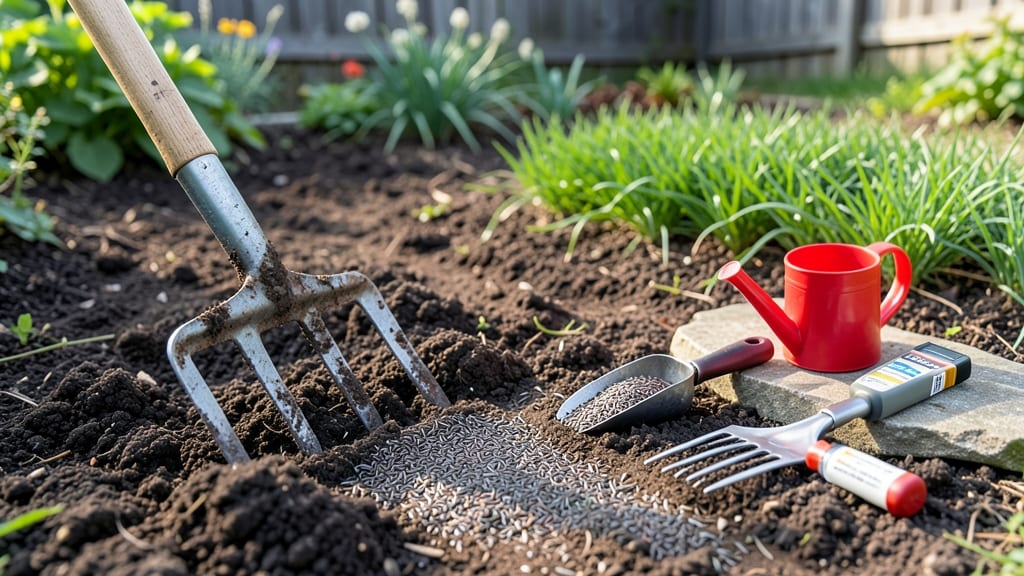
Planting your 🌱 grass seed at the wrong time in North Carolina can leave you staring at a patchy lawn instead of the vibrant green you dream of—so when exactly should you get it in the ground for the best results?
If you’ve ever wondered why some lawns thrive while others struggle, the answer often comes down to timing. North Carolina’s 6a-8b climate zones create a delicate window where cool-season grasses like tall fescue and ryegrass can establish strong roots without battling extreme heat or frost.
Miss this window, and you risk slow germination, weeds taking over, or even seed washout from heavy rains.
Here’s the secret: the best time to plant grass seed in North Carolina isn’t just one season—it’s two key periods that align with your region’s microclimate.
Whether you’re in the Coastal Plain, Piedmont, or Mountains, I’ll break down the ideal planting windows, soil prep tips, and how to avoid common mistakes that derail even the most well-intentioned lawn projects.
Let’s cut to the chase: early spring and early fall are your golden opportunities, but there’s more to it than just picking a month.
You’ll discover how to read your local frost dates, prep your soil like a pro, and keep your new grass thriving through North Carolina’s unpredictable weather shifts.
North Carolina’s ideal grass seed planting windows: cool-season vs warm-season rules
North Carolina’s diverse climate—from the humid Coastal Plain to the cooler Mountains—means grass seed planting timing varies dramatically. Cool-season grasses like tall fescue and ryegrass thrive when planted in early spring (March-April) or early fall (August-September), while warm-season varieties such as Bermuda and zoysia prefer late spring (May-June).
Getting this right ensures your grass establishes strong roots before extreme heat or cold sets in.
For cool-season grasses, the 60-day rule applies: plant 4-6 weeks before the last frost (typically mid-March to early April) or 6-8 weeks before the first frost (late August to early September).
This timing aligns with soil temperatures between 55°F and 75°F, perfect for germination. In contrast, warm-season grasses need soil temps above 65°F, making late spring their ideal window.
North Carolina’s three distinct regions further complicate timing. The Coastal Plain (Zones 7b-8b) has a longer growing season, while the Mountains (Zones 6a-7a) face earlier frosts. Adjust your schedule accordingly—plant 2-4 weeks earlier in the Mountains than in the Piedmont or Coastal areas.
For example, Asheville gardeners should aim for late March to early April, while Wilmington residents can push planting to early April or late September.
🌱
| Grass Type | Best Planting Window | Soil Temp Requirement | NC Region Adjustments |
|---|---|---|---|
| Cool-Season (Tall Fescue, Ryegrass) | Early Spring (March-April) or Early Fall (August-September) | 55°F–75°F | Mountains: 2 weeks earlier; Coastal: 2 weeks later |
| Warm-Season (Bermuda, Zoysia) | Late Spring (May-June) | 65°F+ | Coastal: May; Mountains: June |
| Centipedegrass | Late Spring (April-May) | 60°F–75°F | Coastal Plain only; avoid Mountains |
If you’re planting cool-season grass in early spring, prioritize March over April to avoid summer heat stress. For fall planting, August is ideal—it gives grass time to establish before winter dormancy.
Meanwhile, warm-season grasses planted in May (Coastal) or June (Mountains) will thrive through summer’s heat. Avoid planting warm-season grass in July or August—the intense heat can stunt germination.
Microclimates within NC also matter. For example, Raleigh’s Piedmont climate (Zone 7b) allows for late April planting, while Charlotte’s warmer pockets (Zone 8a) can extend the window to early May. Always check your local frost dates via the NC State Climate Office or Almanac for precision.
Pro tip: Use a soil thermometer to confirm temps—55°F is the magic number for cool-season seeds.
Another critical factor? Rainfall patterns. North Carolina’s summer droughts can dry out newly planted grass, so fall planting often yields better results. If you plant in late summer, schedule irrigation for daily watering until roots establish.
Conversely, spring planting benefits from NC’s natural rainfall, reducing your workload. Balance these factors with your grass variety’s drought tolerance—tall fescue handles dry spells better than ryegrass.
Don’t overlook overseeding as a strategy for thicker grass. In NC, late summer (August) is perfect for overseeding cool-season grasses into existing warm-season lawns. This fills gaps left by summer stress.
For warm-season lawns, overseed in early spring with a cool-season mix for temporary winter coverage. Just remember: avoid overseeding in peak heat (July) or deep freeze (December).
Finally, test your soil before planting—pH between 6.0 and 7.0 is ideal for most grasses. In acidic soils (common in the Mountains), amend with lime 4-6 weeks before planting.
In sandy Coastal soils, add compost to retain moisture. These adjustments ensure your grass seed has the best chance to germinate and thrive in NC’s varied conditions.
🌿
How to prepare your North Carolina lawn for grass seed success: soil, weather, and pre-planting checklist
Prepping your lawn for grass seed is like laying the foundation for a house—skip the prep work, and you’ll end up with weak results. In North Carolina’s humid subtropical climate, proper soil prep can mean the difference between a thick, vibrant lawn and one that struggles to take hold.
The key? Testing your soil pH, loosening compacted soil, and creating the perfect seedbed for germination.
Start by testing your soil’s pH—most cool-season grasses like tall fescue thrive in a range of 6.0 to 7.0. If your soil is too acidic or alkaline, amend it with lime (to raise pH) or sulfur (to lower it) at least 4-6 weeks before planting.
North Carolina’s clay-heavy soils in the Piedmont region often need extra attention, so don’t skip this step!
🌱 Pre-Planting Checklist for NC Lawns
- ☑️ Test soil pH (aim for 6.0-7.0)
- ☑️ Loosen compacted soil with a core aerator (spring/fall)
- ☑️ Remove debris (weeds, rocks, thatch)
- ☑️ Choose the right seed blend for your NC region
- ☑️ Check weather forecasts for 7-10 days (avoid rain-heavy periods)
- ☑️ Apply starter fertilizer (high in phosphorus)
Next, tackle soil compaction, especially if your lawn sees heavy foot traffic. Rent a core aerator to pull out small soil plugs—this creates air pockets for roots to grow deeper.
In North Carolina’s Coastal Plain, sandy soils may require extra compost to retain moisture, while Mountain regions might need organic matter to improve drainage. Aim to aerate 1-2 weeks before planting to let the soil settle.
Weed control is another critical step. Use a pre-emergent herbicide if planting in spring, but avoid it in fall since it can harm new grass seedlings. For organic options, hand-pull weeds or use corn gluten meal as a natural pre-emergent.
Pro tip: Mow existing grass short (1-1.5 inches) before seeding to create space for new growth, but don’t scalp the lawn—this can stress the turf.
Finally, time your planting with North Carolina’s weather patterns. Avoid planting when forecasted rainfall exceeds 0.5 inches in 24 hours, as this can wash out seed. Early fall (August-September) is ideal because soil stays warm enough for germination, but nights cool down—perfect for root establishment.
In spring, wait until soil temperatures reach 55°F (usually mid-March to early April in most zones).
With your soil prepped and conditions ideal, you’re ready to sow that grass seed with confidence. The next step? Keeping it moist and protected as those first green shoots break through—more on that in our NC-specific planting tips section!