
Plants
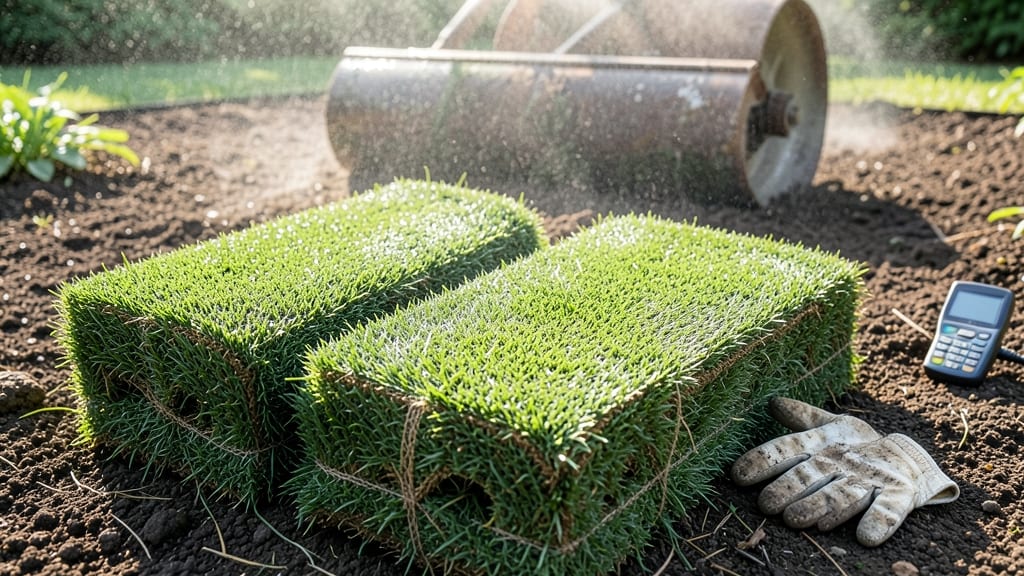
Planting Bermuda grass sod at the wrong time in Georgia can mean the difference between a vibrant green lawn and one that struggles to take root. With the state's unpredictable weather patterns and hot summers, timing is everything.
Most gardeners swear by early spring or late summer planting, but what exactly does that mean for your 7b-8b zone? You'll want to avoid those chilly March mornings when frost can still linger, while also dodging the brutal July heat that stresses new sod.
Let me break down the fastest way to establish your lawn without wasting time or money.
Whether you're in coastal Savannah or inland Atlanta, the key is soil temperature—aim for at least 65°F before you roll out that first strip. I'll show you how to check it and what to do if Mother Nature throws a curveball.
From watering schedules to post-planting care, you'll learn exactly how to give your Bermuda grass sod the best shot at thriving. Ready to transform your yard into the envy of the neighborhood?
Optimal Georgia planting windows: spring vs fall for Bermuda grass sod
Bermuda grass thrives in Georgia’s hot climate, but timing your sod installation is critical for fast root establishment and year-round green coverage. The two best windows are early spring (March-April) and late summer (August-September), each offering unique advantages based on your region’s microclimate.
Georgia spans USDA Zones 7b-8b, meaning temperatures vary significantly between North Georgia’s cooler hills and South Georgia’s subtropical heat.
In colder northern areas like Dahlonega or Blue Ridge, aim for April planting to avoid late frosts, while Savannah or Macon gardeners can start as early as March or push late summer planting into early October.
Spring planting gives Bermuda grass a 6-8 week head start before summer’s intense heat, while fall installation lets it establish deep roots before winter dormancy. Let’s compare the two approaches to help you decide which works best for your yard’s conditions.
🌱 Key Consideration: Soil temperature must reach 65°F (18°C) for optimal root growth. Use a soil thermometer to verify—cold soil delays establishment and invites disease.
Spring vs Fall Planting Comparison
| Factor | Spring Planting (March-April) | Fall Planting (August-September) |
|---|---|---|
| Best For | Northern GA (Zones 7b) | Southern GA (Zones 8a-8b) |
| Soil Temp Requirement | 65°F+ (achieved by April) | 65°F+ (consistent in Sept) |
| Growth Window | 6-8 weeks before summer heat | 8-10 weeks before frost |
| Watering Challenge | Moderate (spring rains help) | High (summer drought risk) |
| Fertilization Strategy | Heavy feed in May-June | Light feed in Sept-Oct |
| Weed Competition | Low (cool season weeds dormant) | Moderate (summer weeds active) |
| Establishment Time | 4-6 weeks to full coverage | 6-8 weeks to full coverage |
| Winter Survival | Browns in winter (dormant) | Greener winter (if mild) |
*Northern GA includes Atlanta metro, North GA mountains; Southern GA includes Savannah, Macon, Columbus
For North Georgia gardeners, spring planting in late April is ideal—this gives your sod time to establish before summer’s peak heat.
In South Georgia, you can plant as early as March or extend fall planting into early October to take advantage of cooler temperatures and higher humidity.
If you’re in a transition zone like Middle Georgia (Macon, Warner Robins), consider both windows: Plant half your yard in April and half in September to ensure continuous coverage. This staggered approach minimizes seasonal stress and maximizes root development.
Pro tip: Check your local Cooperative Extension Service for frost date averages—this helps refine your planting timeline. For example, Athens typically sees its last frost around April 15, while Savannah rarely gets frost, allowing earlier spring starts.
Remember: Bermuda grass is heat-loving but frost-sensitive. Planting too early in North Georgia risks frost damage, while planting too late in fall may leave your lawn vulnerable to winter dieback. Aim for 6-8 weeks of warm weather after installation for optimal root spread.
🌱 Regional Exception: Coastal areas like Brunswick or Tybee Island can plant Bermuda grass year-round due to their mild winters, but spring and fall still offer the best establishment success.
Optimal Georgia planting windows: spring vs fall for Bermuda grass sod
Georgia's climate creates two clear windows for planting Bermuda grass sod: early spring and late summer. The best time depends on your location—whether you're in North Georgia's cooler hills or South Georgia's heat islands. Both seasons offer ideal conditions, but each comes with unique challenges.
Spring planting (March-April) gives your sod a 6-8 week head start before summer heat arrives. This is especially critical in USDA zones 7b-8b, where soil warms quickly. However, you must wait until after the last frost date (typically mid-March) and ensure soil temperatures stay above 65°F consistently.
Fall planting (August-September) works well because it allows roots to establish before winter dormancy. This window avoids the peak summer heat that can stress new sod. In coastal areas, fall planting may extend slightly into October due to milder temperatures.
| Factor | Spring Planting (March-April) | Fall Planting (August-September) |
|---|---|---|
| Soil Temperature | 65°F+ (consistent) | 70°F-80°F (ideal) |
| Best For | North Georgia (cooler areas) | South Georgia/Coastal (hotter areas) |
| Establishment Time | 6-8 weeks before summer heat | 6-8 weeks before winter dormancy |
| Watering Challenge | Moderate (spring rains help) | High (summer drought risk) |
| Frost Risk | Low (after last frost) | None (plant before first frost) |
| Growth Speed | Fast (spring flush) | Moderate (slows in fall) |
For North Georgia gardeners, spring planting is often preferred because the growing season is shorter. In South Georgia, fall planting can be just as effective, especially if you're dealing with heavy clay soils that heat up quickly in spring.
Always check your local frost dates—Atlanta's last frost typically occurs around March 15, while Savannah may see frost as late as February.
Regardless of season, avoid planting when daytime temperatures exceed 90°F or when nighttime temps drop below 55°F. These extremes slow root establishment. Use a soil thermometer to verify conditions—this simple tool can save you from costly mistakes.
My recommendation? Plant in late April for spring or early September for fall to balance growth potential with weather risks. This timing gives your Bermuda grass sod the best chance to establish deep roots before Georgia's extreme seasons kick in.