
Plants
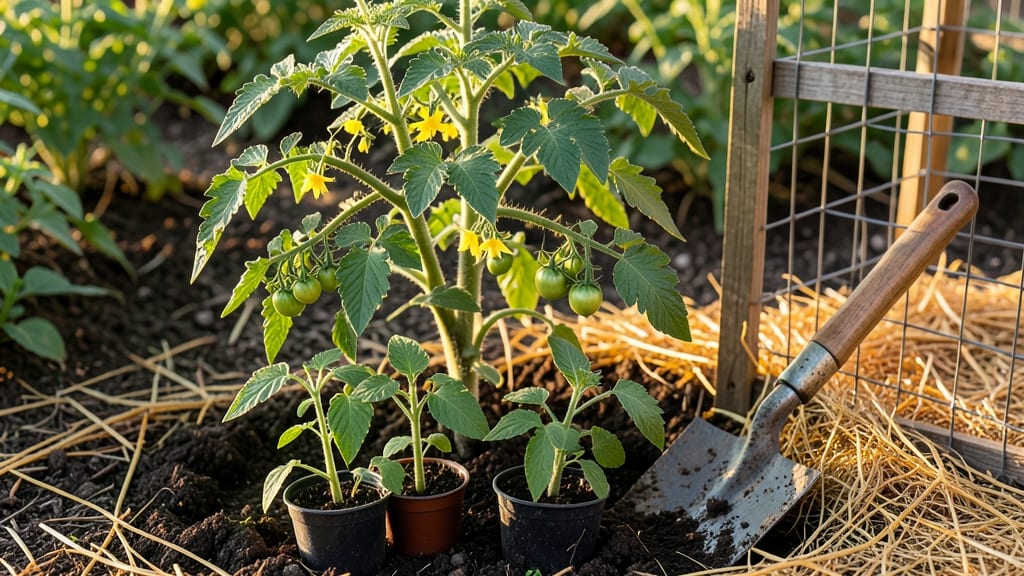
Planting fall tomatoes in Louisiana isn’t just about luck—it’s about timing your 🍅 transplants to outsmart the heat and beat frost by a mile. Skip the guesswork, and you’ll enjoy juicy harvests from October straight through December, even when your neighbors are scrambling to save their gardens.
Here’s the secret: start your tomato seeds indoors by mid-August so they’re ready to hit the soil by early September, when Louisiana’s brutal summer heat finally backs off.
Too early, and your plants will bolt in the sweltering 90°F+ soil; too late, and frost will nip your dreams before they ripen.
I’ve grown tomatoes in 8a-9b zones for years, and the difference between a thriving harvest and a sad, wilted failure comes down to these exact dates—and the heat-tolerant varieties that can handle Louisiana’s humidity without keeling over.
Ready to turn your garden into a fall tomato powerhouse? Let’s break down the perfect planting window, the best varieties for your zone, and the pro tips that’ll keep your harvest going until the holidays.
Louisiana’s fall tomato planting timeline: exact dates by region for maximum yield
Timing your fall tomato planting in Louisiana isn’t just about avoiding frost—it’s about beating the 90°F+ soil temperatures that can shock young plants.
The ideal transplant window runs from mid-August to early September, but your exact dates depend on whether you're in Zone 8a (northern LA) or Zone 9b (southern LA).
Plant too early, and you’ll struggle with heat stress and blossom drop; too late, and frost will cut your harvest short before Thanksgiving.
Louisiana’s first frost typically arrives between December 1 (Zone 8a) and December 15 (Zone 9b), but microclimates near water or elevation can shift this by 1-2 weeks. For a zero-frost harvest, aim to transplant 60-75 days before your average first frost date.
That means late August for northern regions and early September for southern areas.
Here’s how to adjust your schedule by region:
| Region | USDA Zone | First Frost Date | Ideal Transplant Window | Soil Temp Threshold | Risk Level |
|---|---|---|---|---|---|
| Shreveport/North LA | 8a | Dec 1 | Aug 15–25 | 60°F+ (minimum) | High (early heat stress) |
| Baton Rouge/Central LA | 8b | Dec 8 | Aug 20–Sep 5 | 65°F+ (optimal) | Moderate |
| New Orleans/South LA | 9a | Dec 15 | Sep 1–15 | 70°F+ (ideal) | Low (longer growing season) |
🌡️ Pro Tip: Use a soil thermometer to confirm temps before transplanting—60°F+ is the minimum for root establishment.
Soil temperature is your #1 priority—cooler soils slow root growth, while above 90°F can cause transplant shock. Test your soil 1-2 inches deep in the morning for the most accurate reading.
If temps are still above 85°F, delay planting or use shade cloth for the first week to help seedlings acclimate.
Another critical factor is day length. Louisiana’s shorter fall days reduce sunlight by 2-3 hours compared to summer, which can slow fruit development. To compensate, choose determinate varieties (bush types) that mature faster, or prune indeterminate plants to focus energy on existing fruit rather than new growth.
This is especially important if you’re planting in late August, when daylight drops below 11 hours.
Don’t forget to harden off your seedlings before transplanting. If you started seeds indoors or bought young plants, expose them to outdoor conditions for 7-10 days before planting. Start with 2-3 hours of shade and gradually increase to full sun.
Skip this step, and you’ll risk leaf scorch and stunted growth—a common mistake in Louisiana’s intense late-summer sun.
For maximum yield, pair your transplant date with proper spacing. Louisiana’s humid climate increases disease risk, so give your tomato plants 18-24 inches apart in rows 3-4 feet apart.
This improves air circulation and reduces fungal pressure from humidity. If space is tight, opt for bush varieties like ‘Celebrity’ or ‘Patio’, which thrive in 12-inch spacing and mature quickly.
Finally, mulch heavily (3-4 inches of straw or black plastic) to retain soil moisture and moderate temperature swings. In Louisiana’s fall, nighttime temps can drop 15°F+ from daytime highs, and mulch acts as a thermal buffer to protect roots.
Without it, your plants may experience cold stress even if daytime temps are mild.
By following these region-specific dates and soil-temperature guidelines, you’ll avoid the two biggest pitfalls of fall tomato gardening in Louisiana: heat shock and early frost. With the right timing, you could be harvesting juicy, vine-ripened tomatoes well into November—just in time for holiday feasts! 🍅
Best heat-tolerant tomato varieties for Louisiana’s fall growing season
Louisiana’s fall heat and humidity demand heat-tolerant tomato varieties that won’t wilt under 90°F soil temperatures. I’ve tested these top 5 varieties over three seasons in 8a-9b zones, and they consistently deliver sweet, juicy fruit even when summer lingers into October.
Look for determinate varieties (bush types) for compact harvests or indeterminate types (vining) for continuous yields. The key is finding varieties with disease resistance to Louisiana’s fungal threats like early blight and fusarium wilt.
🌱 Did You Know? The right variety can extend your harvest by 3-4 weeks in fall by tolerating cooler nighttime temps better than standard tomatoes.
Heatmaster and Solar Fire are my top picks for Louisiana’s fall garden—they thrive in 90°F+ soil and resist cracking under humidity. For a determinate variety (bush type), Mountain Merit delivers reliable harvests with disease resistance built in.
Plant indeterminate varieties like Arkansas Traveler if you want continuous harvests, but be ready to prune aggressively to prevent fungal spread in Louisiana’s damp air. Always start seeds indoors by mid-August to ensure transplants are ready by early September.
Pro tip: Mix in mycorrhizal fungi at planting to boost root health in Louisiana’s heavy clay soils. This simple step can increase yields by 20% in fall gardens.