
Plants
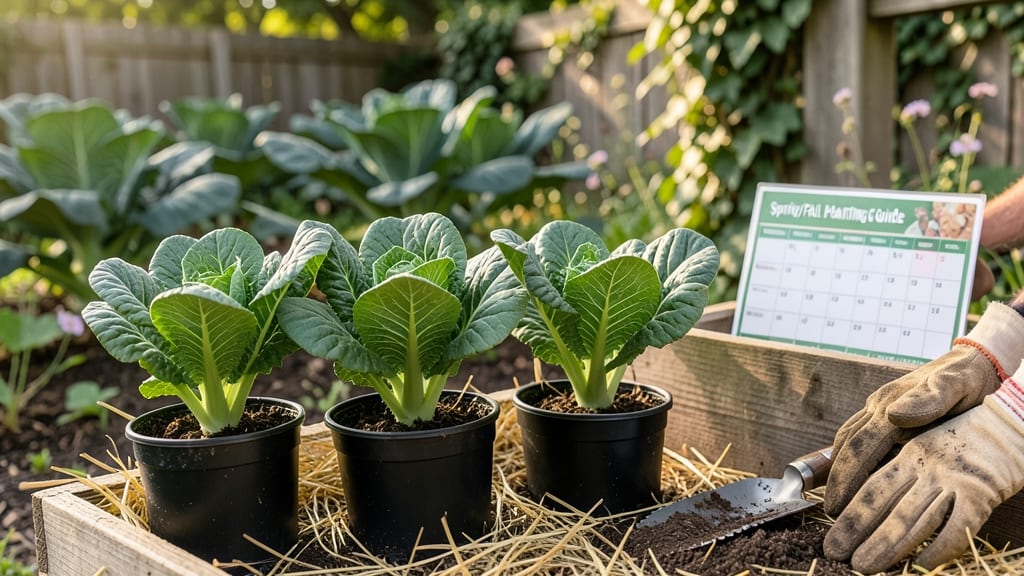
Planting collard greens at the wrong time in North Carolina can mean tough, bitter leaves instead of the sweet, tender harvest you crave. These hardy greens 🥬 love our mild winters, but getting the timing right between coastal warmth and mountain chill makes all the difference for flavor and growth.
Whether you're in the Piedmont's rolling hills or the Coastal Plain's humidity, the key is working with your local frost dates. I'll show you exactly when to sow for both spring and fall harvests—plus how to stretch your growing season so you're eating homegrown greens from April through December.
You don't need a green thumb to succeed, just the right timing and a few simple tricks. We'll cover everything from soil prep to succession planting so you can enjoy fresh collards straight from your garden all year round.
Let's dive into the perfect planting schedule tailored to North Carolina's unique climate zones, so you can enjoy that first harvest of crisp, flavorful leaves in just 60 days—no guesswork required.
Best planting months for collard greens in North Carolina by region
North Carolina’s diverse climate zones—from the Coastal Plain to the Mountains—create unique planting windows for collard greens. In the Coastal Plain, mild winters let you start as early as February, while the Mountains may wait until April to avoid late frosts.
Timing your plantings to align with soil temperatures (50-60°F) and frost dates ensures sweet, tender leaves instead of bitter, tough growth.
For a spring harvest, plant after your last frost date (typically mid-March in the Piedmont, later in the Mountains). Fall plantings should go in 4-6 weeks before the first frost (usually late August to early October).
This two-season approach maximizes your harvest potential, giving you greens from April to June and October to December.
Here’s how to tailor your planting schedule to NC’s three main regions:
| Region | Spring Planting Window | Fall Planting Window | Key Consideration |
|---|---|---|---|
| Coastal Plain | Late February - Early April | Late August - Mid-September | Warmer microclimates; watch for early salt spray damage near coast. |
| Piedmont | Mid-March - Early April | Late July - Early September | Moderate climate; ideal for succession planting. |
| Mountains | Late April - Early May | Mid-August - Late September | Cooler temps; use cold-hardy varieties like 'Vates'. |
Soil temperature is your best indicator for planting success. Use a soil thermometer to confirm 50-60°F readings before sowing seeds. In cooler regions, consider using black plastic mulch to warm the soil faster. For warmer zones, shade cloth can prevent bolting (premature flowering) during hot spells.
North Carolina’s USDA zones 7a-8b mean you can push the envelope with fall plantings. Sow seeds in late August for a harvest before the first frost, or try a succession planting every 2 weeks until mid-September to extend your harvest.
This works especially well in the Piedmont, where mild winters are common.
If you’re planting in containers, start seeds indoors 4-6 weeks before your region’s last frost date. Transplant seedlings outdoors when they’re 4-6 inches tall and the soil is consistently 55°F or warmer.
Container-grown collards may need daily watering during dry spells, as they dry out faster than in-ground plants.
For direct sowing, scatter seeds ½ inch deep and 1 inch apart in rows 18 inches apart. Thin seedlings to 12 inches apart once they’re 2 inches tall to give them room to grow.
This spacing ensures good airflow, reducing the risk of disease like downy mildew, which thrives in humid NC summers.
Pro tip: Mark your planting dates on a garden calendar alongside moon phases for optimal growth. Many NC gardeners swear by planting during the waxing moon for stronger root development. Pair this with compost-rich soil (aim for pH 6.0-6.8) and you’ll set your collards up for success.
Remember, collard greens are biennial, meaning they’ll often overwinter in NC’s mild climate. With proper timing and care, your plants may produce sweeter leaves in their second year, especially if you protect them with row covers during hard freezes.
This makes them a low-maintenance perennial in many parts of the state.
Best planting months for collard greens in North Carolina by region
North Carolina’s diverse climate—from the humid Coastal Plain to the cooler Mountains—means collard green planting windows vary by USDA Zone 7a-8b. Timing your sowing to match soil temperatures (50–60°F) and frost dates ensures sweet, tender leaves instead of bitter, tough growth.
For spring harvests, aim to plant 4–6 weeks before your last frost date (typically mid-March in the Piedmont, earlier in the Coastal Plain). Fall plantings should happen 8–10 weeks before first frost (usually late July to early September), allowing time for maturity before winter chill sets in.
| Region | Spring Planting Window | Fall Planting Window | Key Notes |
|---|---|---|---|
| Coastal Plain (Zone 8a-8b) | February–March | August–September | Longer growing season; watch for hurricane delays. |
| Piedmont (Zone 7b-8a) | March–April | July–August | Ideal for 'Georgia Southern' variety; soil warms faster. |
| Mountains (Zone 6b-7a) | April–May | June–July | Shorter season; prioritize cold-hardy varieties like 'Vates'. |
In the Coastal Plain, you can even start seeds indoors in January for an early spring harvest, while mountain gardeners should wait until April to avoid late frosts. Use NC State Extension’s frost maps to pinpoint your exact dates—every region’s last frost can shift by 1–2 weeks annually.
Pro tip: Test your soil temperature with a thermometer before planting. Collard seeds need 50–60°F soil to germinate reliably. If your soil is cooler, wait or use row covers to warm it faster. Cold soil delays germination by 1–2 weeks, risking slower growth and smaller yields.
For fall harvests, prioritize varieties like 'Top Bunch' or 'Blue Max', which tolerate light frosts (25–30°F) without bolting. Plant these 60–75 days before your first frost—typically mid-September in the Piedmont—to ensure mature leaves before winter sets in.
Remember: Collard greens are biennials that thrive in cool weather. Planting them in summer’s heat (above 85°F) causes bolting, so avoid June plantings unless you’re using shade cloth. Instead, focus on spring and fall for the sweetest, most tender leaves.