
Plants
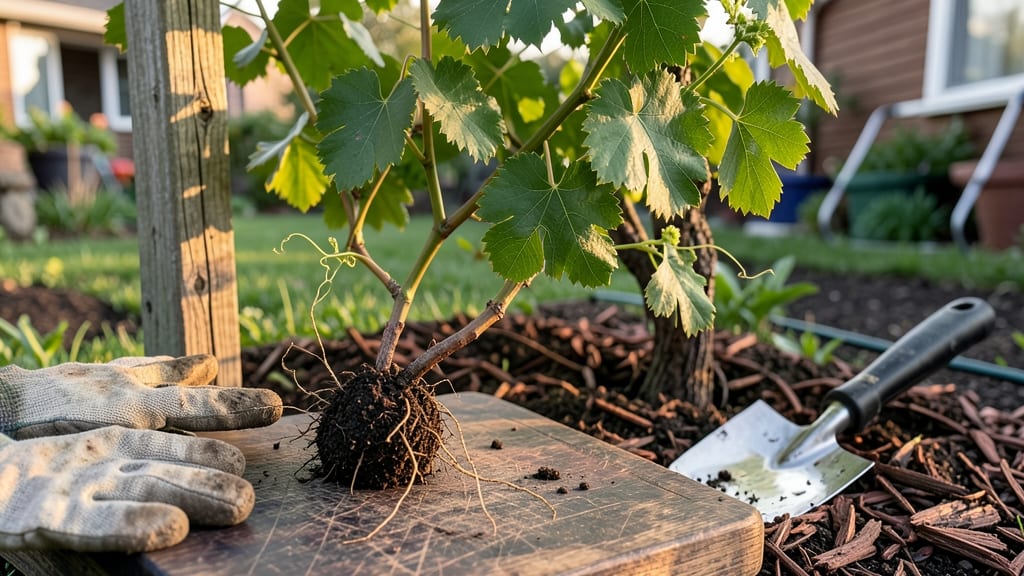
Planting grape vines in California at the wrong time can turn your dream vineyard into a frustrating gamble—especially when matching varieties to their ideal chill-hour zones. 🍇 Whether you're growing table grapes for fresh eating or wine grapes for fermentation, timing is everything.
California's climate varies wildly from coastal fog to Central Valley heat, meaning what works in Napa won't work in San Diego. The key is understanding your local chill hours—those critical winter cold units that help grape varieties bud properly.
Get this right, and you're on track for a bountiful harvest.
In this guide, I'll break down the exact months to plant grape vines in California, tailored to your region's chill zone. You'll learn how to adjust planting times for container vs. in-ground vines, plus which varieties thrive in your microclimate. No more guesswork—just a clear, actionable plan.
Let's dive into the perfect planting schedule so you can start growing grapes that taste as good as they look. Whether you're a backyard gardener or a small-scale farmer, these insights will set you up for success from day one.
California grape planting timeline by chill-hour requirements
California’s diverse microclimates—from foggy coastal regions to scorching Central Valley heat—make timing critical for grape vine success. The key? Matching your chill-hour zone to the right variety and planting window.
Coastal areas with 0-300 chill hours thrive with heat-loving grapes, while Northern California’s 500+ chill-hour zones suit cool-climate varieties like Pinot Noir. Let’s break down the perfect schedule for your region.
First, identify your chill-hour zone using USDA maps or local weather data. Coastal areas like Santa Barbara (200-300 hours) can plant Thompson Seedless as early as November, while Napa Valley’s 500+ hours demand Pinot Noir planted by November to avoid winter stress.
Inland valleys like the Central Valley (300-500 hours) offer a slightly extended window until December for varieties like Cabernet Sauvignon.
Soil preparation varies just as much as planting times. Coastal soils need well-draining, compost-rich mixes with pH 6.0-7.0, while Central Valley’s loamy soil (pH 5.5-6.5) benefits from deep tilling to prevent compaction. Northern regions require cool, moist soil with organic matter to retain winter moisture. Skipping this step risks root rot or stunted growth.
Climate quirks further complicate timing. Coastal areas avoid frost entirely, but December cold snaps in Southern California can damage young vines. Inland valleys face intense summer heat, so afternoon shade becomes essential for varieties like Zinfandel. Meanwhile, Northern California’s cooler nights require frost protection for early-blooming grapes.
For container-grown vines, adjust timing slightly. These can be planted year-round in mild zones (e.g., coastal areas), but avoid peak summer heat in inland valleys. Container vines also need larger pots (15+ gallons) and drainage holes to prevent root rot—a common issue in California’s heavy clay soils.
If planting in fall, choose dwarf varieties like Concord for easier management.
One critical mistake I see often? Planting wine grapes in low-chill zones without adjusting varieties. For example, Cabernet Sauvignon needs 500+ chill hours to develop proper flavor—planting it in Riverside (200-300 hours) will yield poor-quality fruit. Always cross-reference your local chill hours with the variety’s requirements before purchasing vines.
Pro tip: Use bare-root vines in winter (December-February) for the best establishment. These vines wake up slower in cool soil, reducing transplant shock. If buying potted vines, plant them in early spring (March-April) to give roots time to establish before summer heat arrives.
In Northern California, aim for September-October planting to avoid early frost.
Finally, don’t overlook trellis installation. Grape vines need support within 2-3 months of planting. In coastal areas, use fan-trained trellises for heat-tolerant varieties, while inland valleys benefit from vertical shoot positioning (VSP) to improve airflow and reduce disease. Skipping this step leads to poor fruit
How to choose the right grape variety for your California microclimate
Selecting the perfect grape variety for your California garden isn’t just about taste—it’s about survival. The chill-hour requirements of your region determine which varieties will thrive, while others will struggle or fail entirely.
For example, Pinot Noir, a cool-climate darling, needs 500+ chill hours to produce quality fruit, while Thompson Seedless flourishes in 0-300 chill-hour zones like coastal San Diego.
Start by identifying your local chill hours using the USDA chill-hour map or a local weather station. Coastal areas like Santa Barbara typically see 200-300 chill hours, while inland valleys like the Central Valley hit 300-500 hours.
Northern regions, such as Napa or Sonoma, often exceed 500+ chill hours. Matching your variety to these numbers is critical—planting a Cabernet Sauvignon in a low-chill zone will leave you with small, underripe grapes.
Next, consider your elevation and microclimate. Coastal areas benefit from heat-tolerant varieties like Grenache or Tempranillo, which handle afternoon breezes and cooler nights. Valley floors, with their intense summer heat, suit disease-resistant grapes like Zinfandel or Syrah, which can withstand long, hot days.
Meanwhile, foothill regions with cooler nights are perfect for cool-climate grapes such as Pinot Grigio or Riesling, which develop complex flavors in moderated temperatures.
Use USDA maps or local weather stations to confirm your area’s winter chill accumulation (e.g., Santa Barbara = 200-300 hours; Napa = 500+).
Coastal areas: Heat-tolerant varieties (e.g., Grenache). Valley floors: Disease-resistant types (e.g., Tempranillo). Foothills: Cool-climate grapes (e.g., Pinot Grigio).
Planting wine grapes in frost-prone zones without protection; ignoring soil drainage (root rot risk); or choosing varieties with unmet chill-hour needs.
One of the biggest mistakes I see is overlooking soil drainage in grape vine selection. California’s clay-heavy soils in the Central Valley can suffocate roots if not amended with organic matter. Always test your soil’s pH and drainage before planting—aim for pH 5.5-7.0 and well-draining soil.
For example, Cabernet Sauvignon prefers slightly acidic soil (pH 5.5-6.5), while Thompson Seedless thrives in neutral to slightly alkaline conditions (pH 6.0-7.0).
Water availability is another game-changer. Drought-tolerant varieties like Grenache or Tempranillo are ideal for low-water zones, while Pinot Noir and Syrah need consistent moisture, especially during fruit development.
If your garden is prone to dry spells, opt for varieties that store water efficiently in their deep roots, such as Zinfandel or Albariño. Always pair your choice with a drip irrigation system to ensure even moisture distribution.
Finally, consider your gardening goals. Are you growing grapes for wine, table use, or jams/jellies?
Wine grapes like Cabernet Sauvignon or Syrah require more chill hours and careful pruning, while table grapes like Thompson Seedless or Flame Seedless are more forgiving and produce reliable yields in low-chill zones.
If you’re new to grape growing, start with a hardy, disease-resistant variety like Concord or Crimson Seedless to build confidence before tackling more finicky wine grapes.