
Plants
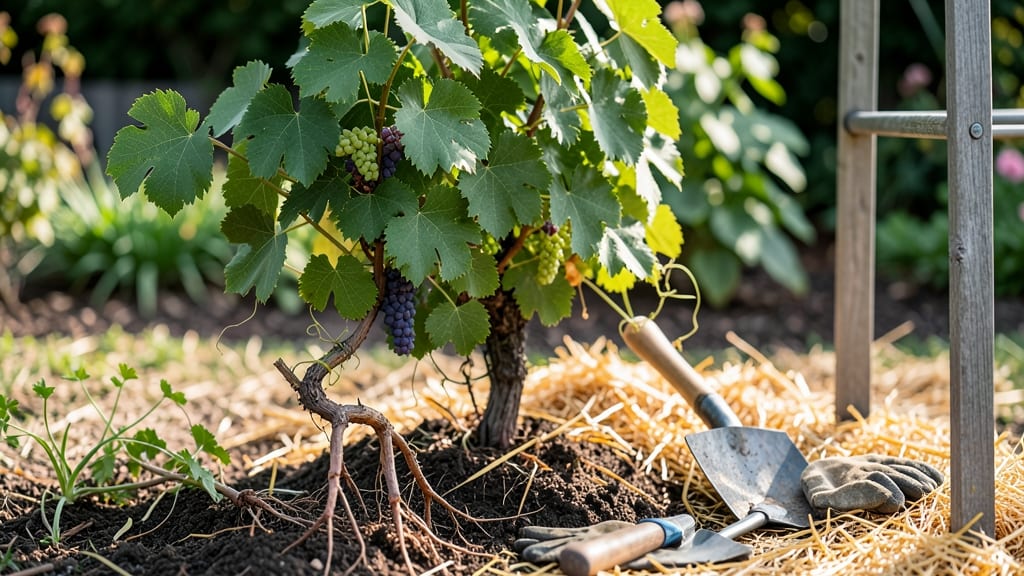
Planting grape vines at the wrong time in Georgia can mean the difference between a thriving 🍇 harvest and struggling vines that never recover. The key window for establishing strong roots in USDA Zone 7b-8b is late winter to early spring, when soil temperatures rise but frost risks still linger.
Why does timing matter so much? Grape vines need 6-8 weeks of warm soil to develop deep roots before summer heat arrives. Plant too early, and frost can damage young shoots; too late, and your vines may struggle to establish before the heat sets in.
In Georgia’s climate, the sweet spot is typically February through March, when daytime temperatures consistently stay above 50°F. This gives your grape vines the best chance to take root before the growing season kicks into high gear.
Whether you’re starting with bare-root plants or potted vines, I’ll walk you through exactly how to time your planting for maximum success—plus soil prep tips and post-planting care to keep your grape vines thriving all season long.
Optimal planting windows for grape vines in Georgia’s USDA Zone 8a
Georgia’s USDA Zone 8a climate offers a perfect window for planting grape vines, but timing is critical to avoid frost damage or summer heat stress.
The best time to plant is during late winter to early spring, specifically between February and March, when soil temperatures rise above 50°F (10°C). This aligns with Georgia’s last frost dates, typically around mid-March, giving vines time to establish roots before summer.
For bare-root vines, aim for planting in February when they’re still dormant but soil is workable. Potted grape vines, however, can be planted slightly later into early April, as their roots are already established.
Both methods benefit from Georgia’s mild winters and long growing season, but rushing planting risks root rot if soil stays too wet.
🌱
| Planting Method | Best Month | Soil Temp Threshold | Key Consideration |
|---|---|---|---|
| Bare-Root Vines | February | 50°F (10°C) | Plant before buds swell to avoid stress. |
| Potted Vines | March-April | 55°F (13°C) | Established roots tolerate slightly warmer soil. |
| Late Planting (Risky) | May | 60°F (15°C) | Only for container-grown vines; high heat stress risk. |
Georgia’s microclimates also play a role in timing. In the Piedmont region, where nights are cooler, plant 2-3 weeks earlier than in the Coastal Plain, where humidity and heat arrive sooner.
For example, Muscadine grapes, a popular Georgia variety, thrive when planted in late February in the Piedmont but can wait until early March near Savannah.
If you miss the ideal window, avoid planting after mid-April unless using container-grown vines. Summer heat can shock newly planted vines, leading to leaf scorch or poor root establishment. Instead, opt for container growing if you’re late, as pots allow better control over moisture and temperature.
For dormant vines, choose a cloudy day to reduce transplant shock. Dig a hole twice as wide as the root ball and mix in compost to improve drainage—a must in Georgia’s clay-heavy soils. Water deeply after planting to eliminate air pockets and encourage root contact with moist soil.
🌿
After planting, monitor for early signs of stress, such as yellowing leaves or wilting. These can indicate overwatering, underwatering, or poor drainage. Mulch around the base with straw or wood chips to retain moisture and regulate soil temperature, especially during Georgia’s hot, humid summers.
This simple step can improve survival rates by up to 30% in the first year.
Finally, consider Georgia’s humidity levels when scheduling planting. High humidity increases the risk of fungal diseases like powdery mildew, so avoid planting during prolonged rainy periods. Clear skies and moderate temperatures in February-March create the safest conditions for grape vines to thrive.
Optimal planting windows for grape vines in Georgia’s USDA Zone 8a
Georgia’s USDA Zone 8a offers a perfect window for planting grape vines, but timing matters more than you might think. The ideal planting period spans from late winter to early spring, specifically February through March, when soil temperatures rise but frost risks remain low.
This aligns grape vines with Georgia’s natural growing cycle, giving roots time to establish before summer’s intense heat.
For bare-root vines, aim to plant as soon as soil becomes workable—typically by mid-February in most of Georgia. Potted grape vines, however, offer more flexibility and can be planted through April, making them ideal for gardeners who miss the early window.
The key is avoiding late spring planting, which can stress vines as temperatures soar.
Soil temperature is your best guide: wait until the ground reaches 50°F (10°C) at a depth of 4 inches. In Georgia, this usually happens by late February in the Piedmont region and slightly earlier in the Coastal Plain. Use a soil thermometer to confirm—planting too early in cold soil can delay root growth and invite fungal diseases.
Georgia’s microclimates also play a role. In the Piedmont region, where nights stay cooler, you can push planting into early April with minimal risk.
Meanwhile, the Coastal Plain’s warmer winters may allow for slightly earlier planting, but always check your local last frost date—typically mid-March for most of the state.
| Planting Type | Best Months | Soil Temp Requirement | Key Consideration |
|---|---|---|---|
| Bare-Root Vines | February–March | 50°F (10°C) | Plant as soon as soil is workable |
| Potted Vines | February–April | 45°F (7°C) | More flexible timing |
| Late Planting | May (risky) | N/A | Stress vines; reduce yield |
If you’re planting Muscadine grapes, Georgia’s native variety, you’ll find they thrive with even more flexibility. These cold-hardy vines can tolerate slightly later planting, sometimes into early April, thanks to their natural resilience.
However, all grape varieties benefit from dormant planting, which minimizes transplant shock and encourages robust root systems before the growing season peaks.
Pro tip: In Zone 8a, avoid planting after April 15th unless you’re using potted vines. Late-season planting often leads to poor root establishment and increased susceptibility to summer pests like spider mites.
Instead, focus on preparing your soil in winter—amending with compost and ensuring proper drainage—so you’re ready to plant at the optimal moment.