
Plants
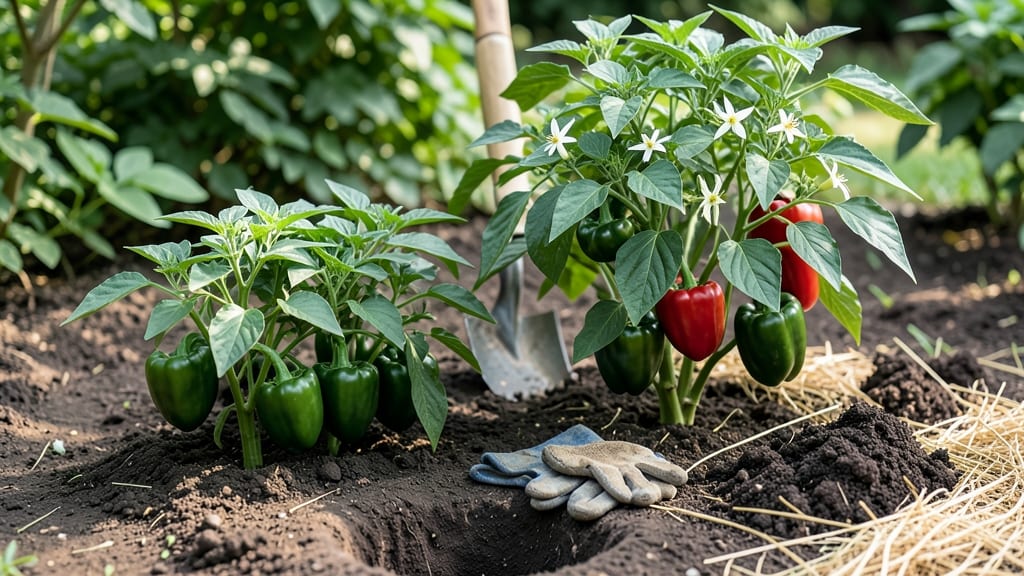
Planting your 🌶️ bell peppers at the wrong time in Southern California can mean the difference between a bountiful harvest and struggling plants that never quite thrive. Unlike other regions, SoCal’s 9b-11 climate lets you grow these heat-loving veggies year-round—but timing still matters to avoid heat stress or stunted growth.
If you’ve ever wondered why some gardeners get perfect peppers while others deal with bitter flavors or poor yields, the answer often lies in when they planted.
Coastal areas like San Diego have a 2-3 week head start compared to inland desert zones, and missing that window can cost you months of harvest time.
I’ll break down the exact months to plant—whether you’re starting seeds indoors or transplanting young seedlings—and how to adjust for your specific microclimate. You’ll also learn how to extend your growing season into summer’s peak heat without sacrificing quality.
Ready to grow bigger, sweeter peppers with less guesswork? Let’s get started with the perfect planting schedule for your Southern California garden.
Southern California heat-zone planting calendar for bell peppers
Southern California’s microclimates create unique challenges for bell pepper growers. Unlike northern regions, we don’t have to worry about frost—but we do face extreme heat, coastal fog, and desert dryness. The key is planting at the right time to avoid heat stress while maximizing your harvest window.
Most of Southern California falls within USDA Zones 9b-11, meaning we can grow bell peppers year-round with proper planning. However, the optimal planting windows shift depending on whether you're in coastal areas (like San Diego) or inland desert regions (like Palm Springs).
Coastal areas (e.g., Malibu, Santa Barbara) can plant as early as late January, while inland desert zones should wait until mid-March to avoid early-season heat. The goal is to give seedlings time to establish roots before summer’s intensity peaks.
Here’s how to align your planting with Southern California’s heat zones and microclimates:
| Zone/Location | Best Planting Window | Soil Temp Requirement | Harvest Window | Key Consideration |
|---|---|---|---|---|
| Coastal (Zone 10a) | Late January - Early March | 60°F+ (use row covers if cooler) | May - October | Watch for coastal fog delays |
| Inland Valley (Zone 9b-10a) | Mid-March - Early April | 65°F+ (critical for germination) | April - November | Heat stress risk after June |
| Desert (Zone 9b-11) | April - May (or September for fall crop) | 70°F+ (avoid early heat shock) | June - December | Irrigation-dependent; mulch heavily |
For direct sowing (planting seeds directly in the ground), aim for 2-3 weeks after your target transplant date. Seeds need consistent 70-85°F soil temperatures to germinate properly. If your soil is cooler, use black plastic mulch to warm it faster.
If you’re starting seeds indoors, begin them 8-10 weeks before your target transplant date. Use grow lights if natural light is limited, and harden off seedlings for 10-14 days before moving them outside. This gradual transition prevents transplant shock.
Urban gardeners with containers or balconies can plant bell peppers 2-3 weeks later than ground plantings. Containers heat up faster, so choose heat-tolerant varieties like ‘Jupiter’ or ‘Aristotle’ and keep pots in partial shade during peak afternoon sun.
Pro tip: Use a soil thermometer to monitor temperatures. Bell peppers thrive when soil stays between 65-85°F. If it’s hotter than 90°F, your plants may stop producing fruit until temperatures cool.
🌱
Southern California heat-zone planting calendar for bell peppers
Southern California’s USDA zones 9b-11 give you flexibility, but your exact microclimate determines the best time to plant. Coastal areas like San Diego and Santa Barbara can plant as early as late January, while inland desert zones like Palm Springs should wait until mid-March to avoid heat stress.
The key is waiting until soil temperatures reach 60°F+, which typically happens in February-March for most of SoCal. This ensures strong root development and prevents blossom-end rot, a common issue when peppers grow too fast in cool soil.
| Zone & Location | Best Planting Window | Soil Temp Requirement | Harvest Window |
|---|---|---|---|
| Coastal (San Diego, Santa Barbara) - Zone 10a | Late January - Early March | 60°F+ (earlier than inland) | May - October |
| Inland Valleys (Los Angeles, Riverside) - Zone 9b-10a | Mid-February - Mid-March | 65°F+ (warmer soil needed) | June - November |
| Desert (Palm Springs, Coachella) - Zone 9b-11 | Mid-March - Early April | 70°F+ (extreme heat tolerance) | July - December |
🌱 Pro Tip: Use a soil thermometer to confirm readiness
For direct sowing, plant seeds ¼ inch deep in well-draining soil after your last frost date (which doesn’t exist in most of SoCal). If you’re transplanting seedlings, harden them off for 7-10 days before moving them outdoors to prevent shock.
Summer planting is possible too! In August-September, you can start a second crop for a fall harvest, but use shade cloth to protect young plants from intense afternoon sun. This works best in coastal areas where evenings cool down.
Remember, bell peppers hate cold, even in SoCal. If temperatures drop below 50°F at night, growth slows dramatically. That’s why timing your plantings around the mild winter months (December-February) gives you the best chance for steady growth.
Once your peppers are in the ground, consistent watering and mulching become critical. Aim for 1-2 gallons per plant every 2-3 days during peak summer heat to keep soil moisture stable and prevent fruit from becoming bitter.