
Plants
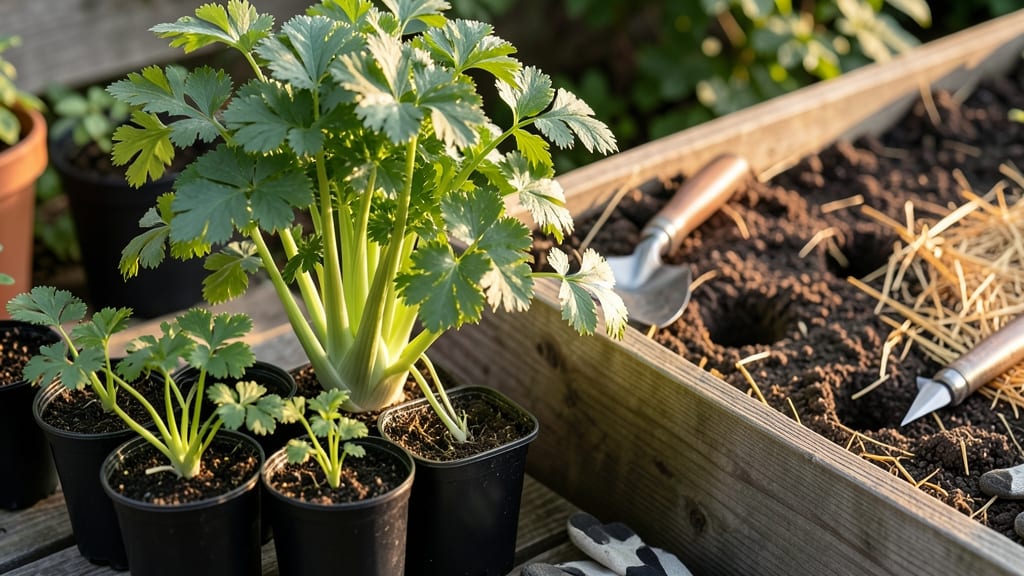
Timing your celery planting in Ohio isn't just about throwing seeds in the ground—it's the difference between a crisp, homegrown harvest and a bitter, bolted disappointment.
With Ohio's 6a climate, you've got just two narrow windows to plant 🥬 for success: late March through early April or August through early September.
Most gardeners overlook the fall planting window, but that's when Ohio's cooler weather actually works in your favor. Celery thrives in temperatures below 75°F, so planting in August gives you perfect growing conditions through October and November harvests.
Here's the game-changer: soil temperature matters more than air temperature. Your seeds need soil that's at least 50°F—any cooler, and germination grinds to a halt. I'll show you exactly how to test your soil and adjust your planting schedule to match Ohio's unpredictable frost dates.
Ready to grow celery that's sweeter and more tender than store-bought? Let's dive into the exact planting timeline, soil prep secrets, and how to avoid the #1 mistake Ohio gardeners make that ruins their celery harvest before it even starts.
Ohio’s frost-free planting windows for celery: exact dates by region
Celery thrives in Ohio’s cool seasons, but timing is critical—plant too early, and frost will kill tender seedlings. Too late, and summer heat causes bolting (premature flowering). Ohio’s USDA Zone 6a offers two ideal planting windows: spring and fall, each with region-specific adjustments.
Northern Ohio (e.g., Cleveland, Toledo) has earlier frost dates than Southern Ohio (e.g., Cincinnati, Columbus). According to Ohio State University Extension, the average last frost in Northern Ohio is April 15, while Southern Ohio sees it around April 20. Plan accordingly to avoid frost damage.
For spring plantings, start seeds indoors 8–10 weeks before your area’s last frost date. Transplant seedlings outdoors 2–3 weeks after the last frost, when soil temperatures reach 50°F (10°C). This typically lands in late April to early May for most of Ohio.
Fall plantings are often more successful in Ohio because they avoid summer heat stress. Aim to sow seeds or transplant seedlings 8–10 weeks before the first frost, which usually falls around October 15. This means late August to early September plantings for a harvest before winter.
🌱 Ohio Celery Planting Timeline by Region
| Region | Last Frost (Avg.) | Spring Planting Window | Fall Planting Window | Harvest Window |
|---|---|---|---|---|
| Northern Ohio (Cleveland, Toledo) | April 15 | Late April - Early May | Late August - Early September | June - July (spring) / Oct - Nov (fall) |
| Central Ohio (Columbus) | April 20 | Early May | Early September | June - August (spring) / Oct - Nov (fall) |
| Southern Ohio (Cincinnati) | April 25 | Late April - Early May | Mid-August - Late August | June - July (spring) / Oct - Nov (fall) |
💡 Pro Tip: Use row covers to extend your spring planting window by 2–3 weeks if frost threatens.
Ohio’s microclimates mean your neighbor’s success might not match yours. Urban areas like Columbus can be 5°F warmer than rural zones, delaying frost. Check local frost-free dates using the Old Farmer’s Almanac or your county’s Ohio State Extension office for precision.
If you’re unsure about frost dates, opt for fall plantings. They’re more forgiving because Ohio’s cool nights in September and October mimic celery’s ideal 60–70°F (15–21°C) growing conditions. Plus, you avoid the bolting risk of summer heat.
For extended harvests, try a succession planting strategy: sow seeds every 2–3 weeks during your planting window. This ensures a steady supply of crisp stalks instead of a single overwhelming harvest.
Always harden off seedlings before transplanting. Move them outdoors for 2–3 hours daily the week before planting to acclimate. This reduces transplant shock and boosts survival rates in Ohio’s variable spring weather.
Celery needs consistently moist soil, so mulch with straw or shredded leaves to retain moisture and regulate soil temperature. This is especially important in Ohio’s hot, dry summers, which can stress celery plants.
🥬 Key Takeaway: Plant celery in Ohio’s spring (late April–early May) or fall (August–September), adjust for your region’s frost dates, and prioritize cool-season growing conditions to avoid bolting or frost damage.
How to stagger celery plantings in Ohio for continuous harvest
Ohio gardeners know the struggle: one planting cycle and you're either drowning in celery or left with nothing. The secret to continuous harvests is succession planting, and celery responds beautifully to this strategy.
By staggering your plantings every 2-3 weeks during Ohio's two planting windows, you'll enjoy fresh stalks from June through November—no more feast-or-famine harvests!
For spring, start your first batch indoors 8-10 weeks before your last frost date (typically early March for Ohio). Then, every 14 days, sow another batch until early May.
This ensures you're always harvesting while new plants mature. The key is consistent soil moisture—celery hates drying out, so plan your watering schedule around these staggered plantings.
Fall plantings work differently. Begin your first batch outdoors in early August, then follow with successive plantings every 2 weeks until early September. These late plantings will mature just in time for October and November harvests, giving you crisp celery when store-bought options disappear.
Just remember: stop planting by September 15 to avoid bolting before first frost.
Direct Sowing vs. Transplanting: Ohio-Specific Comparison
- ✅ Better for fall plantings (August-Sept)
- ✅ Avoids transplant shock
- ❌ Slower germination (14-21 days)
- ❌ Needs consistent moisture during sprouting
- ✅ Faster harvest (2-3 weeks earlier)
- ✅ Better for spring plantings (March-April)
- ❌ Risk of transplant shock if not hardened off
- ❌ Requires seedling source (local nursery preferred)
Yield Tip: Transplanted celery typically produces 20-30% more stalks per plant than direct-sown, but requires careful spacing (12-18 inches apart) to prevent competition.
Spacing is where many Ohio gardeners trip up. Celery needs 12-18 inches between plants and 18-24 inches between rows to develop properly. In tight spaces, stalks become thin and stringy—definitely not the crisp texture you're after.
For container growing (which works well in Ohio's variable climate), use 5-gallon pots with one plant per container for maximum stalk development.
Here's my pro tip: Mark your calendar for Ohio's average first frost (October 15) and work backward. If you're planting for a fall harvest, your last succession should be in early September to mature before cold sets in.
For spring, aim to have your final succession planted by early May to finish harvesting before summer heat causes bolting.
Don't forget about row covers—they're your secret weapon for extending Ohio's growing season. Lightweight fabric can push your harvest window 2-3 weeks later in fall or 2 weeks earlier in spring.
Just remove covers during the day in warm weather to prevent overheating. With these staggered techniques, you'll enjoy homegrown celery for half the year—no more sad store-bought stalks!