
Planting
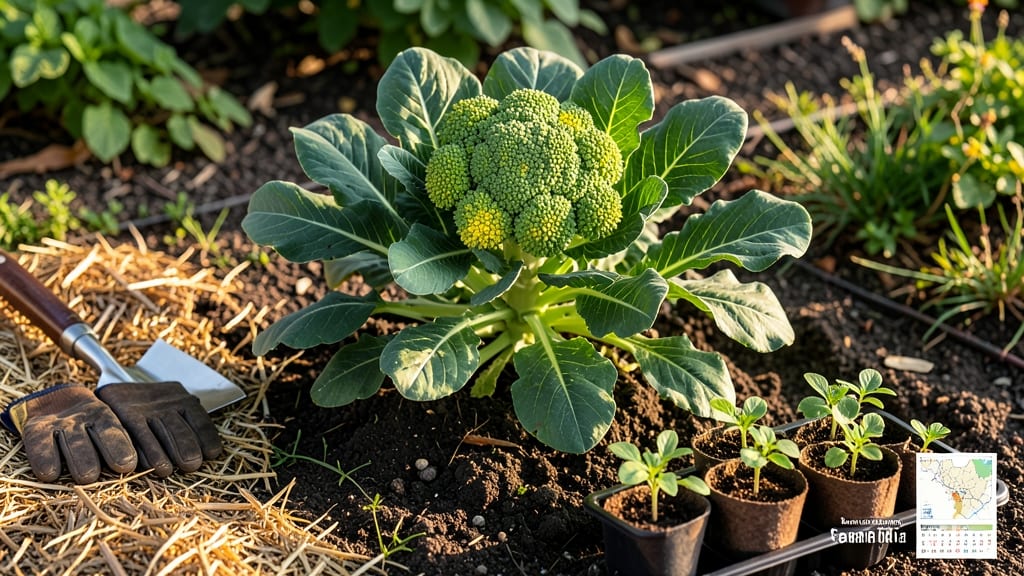
Timing your vegetable garden in Northern California isn’t just about the calendar—it’s about beating the fog, outsmarting the frost, and knowing when to plant 🌱 for a harvest that lasts all season.
One wrong move, and your tomatoes could bolt before they ripen, or your lettuce might turn to mush in a late spring chill. But get it right, and you’ll enjoy fresh, homegrown food from spring straight through fall.
The key? Understanding your local microclimate—whether you’re tucked into San Francisco’s coastal chill or baking in the Central Valley’s heat. These differences can shift your planting window by weeks, and ignoring them means risking wasted seeds or stunted growth.
I’ll break down the exact start dates for your region, so you can avoid common mistakes and maximize your garden’s potential.
From cool-season crops like broccoli to heat-lovers like peppers, every vegetable has its own ideal moment to hit the soil. You’ll discover how to time your plantings for continuous harvests, whether you’re working with raised beds, containers, or traditional rows.
No more guessing—just a clear, foolproof plan tailored to Northern California’s quirks.
Ready to grow more with less stress? Let’s dive into the perfect planting schedule for your zone, so you can enjoy a garden that thrives—no matter what Mother Nature throws your way.
Northern California planting zones: when to start seeds and transplants by region
Northern California’s planting schedule isn’t one-size-fits-all—your neighbor in Sacramento might be harvesting tomatoes while you’re still waiting for frost to lift in San Francisco. The key is understanding your microclimate, which can shift planting windows by weeks.
Coastal areas like Marin County often have 4-6 weeks later frost-free dates than inland spots like Stockton, thanks to chilly Pacific breezes.
Most Northern California gardeners divide the state into four key regions: Coastal (San Francisco Bay Area), North Coast (Sonoma, Mendocino), Bay Area (Oakland, Berkeley), and Central Valley (Sacramento, Stockton). Each has distinct last frost dates that dictate when to start seeds indoors or transplant seedlings.
For example, Central Valley typically sees its last frost by March 15, while coastal areas may not reach frost-free conditions until April 15 or May 1.
Here’s how to align your planting with your region’s frost-free window and grow the right crops for each season. Cool-season crops like broccoli and peas thrive in early spring and fall, while warm-season crops such as tomatoes and peppers need the heat of summer to flourish.
| Region | Last Frost Date | First Frost Date | Spring Planting Window | Fall Planting Window |
|---|---|---|---|---|
| Coastal (San Francisco, Marin) | April 15 - May 1 | November 15 | March 1 (indoors), April 15 (outdoors) | August 1 (transplants), September 1 (direct sow) |
| Bay Area (Oakland, Berkeley) | April 1 - April 15 | November 1 | February 15 (indoors), April 1 (outdoors) | July 15 (transplants), August 15 (direct sow) |
| North Coast (Sonoma, Mendocino) | April 15 - May 1 | November 10 | March 1 (indoors), April 15 (outdoors) | August 1 (transplants), September 1 (direct sow) |
| Central Valley (Sacramento, Stockton) | March 15 - April 1 | October 31 | February 1 (indoors), March 15 (outdoors) | July 1 (transplants), August 1 (direct sow) |
For coastal gardeners, the foggy marine layer can delay soil warming, so start warm-season crops like peppers and eggplants indoors by March 1 and transplant after May 1. In contrast, Central Valley gardeners can direct-sow beans and cucumbers as early as April 1, thanks to warmer nights.
Always check local Almanac frost dates—they’re your best guide for adjusting timelines.
If you’re growing cool-season crops like lettuce or kale, coastal areas can plant them as early as September for fall harvests, while inland regions might wait until August 15. The trick is to time your plantings so crops mature 2-4 weeks before the first frost.
For example, broccoli takes 60-80 days to harvest, so plant it by August 1 in coastal zones to avoid frost damage.
Pro tip: Use row covers or cold frames to extend your growing season in coastal areas. These tools can push back first frost dates by 2-3 weeks, letting you grow heat-loving crops like tomatoes and basil longer into fall. Just remove covers during the day to prevent overheating.
For container gardening, timing is even more critical since pots warm up faster than soil. Start fast-growing crops like radishes or lettuce 2 weeks earlier than in-ground plantings, and move heat-sensitive crops like basil to shaded spots by late July to prevent bolting.
Containers also let you micro-manage watering and sunlight, giving you more flexibility in urban microclimates like Oakland’s hills.
One common mistake is assuming all Northern California gardens follow the same schedule. For instance, Napa Valley’s high elevation means cooler nights, while Fremont
Microclimate adjustments: how fog, Wind, and elevation shift planting windows
Northern California’s microclimates can shift your planting window by weeks, even within the same city. Foggy San Francisco might still see frost in May, while Sacramento could already be hitting 90°F by then. Understanding these shifts means the difference between a thriving garden and a failed experiment.
For coastal areas like Marin County or San Francisco, persistent fog delays soil warming. Your last frost date might be April 15, but the ground stays cold longer. Plant warm-season crops like tomatoes and peppers 2-3 weeks later than inland zones to avoid stunted growth.
High-elevation spots like Napa Valley or the Mendocino Coast experience cooler temperatures. Here, even heat-loving crops like basil or eggplant need a later start. Use a soil thermometer—plant when soil hits 60°F consistently for 5 days.
Urban heat islands, such as Oakland or Sacramento**, can push planting dates earlier. Concrete and asphalt absorb heat, warming soil faster. Start cool-season crops like lettuce or peas 4-6 weeks earlier than rural areas to avoid bolting.
🌱Wind exposure also matters. Coastal gardens face salty winds that dry out plants. Use windbreaks like bamboo fencing or plant tall crops (sunflowers, corn) as natural barriers. Inland areas may need extra irrigation due to dry winds.
⚠️ Microclimate Warning
Don’t rely on USDA zone maps alone! Northern California’s local frost dates can vary by 30 days even just 10 miles inland. Check your true last frost date using local weather stations (like NOAA) or plant frost-sensitive crops only after 3 consecutive warm nights.
🌬️ Pro Tip: Coastal gardeners should wait until May 1 for tomatoes, while Central Valley gardeners can plant by March 15.
Adjust your schedule by observing local cues: When dandelions bloom, it’s time for warm-season crops. If cherry blossoms are still in full bloom, hold off on planting peppers or cucumbers. These natural indicators often align better with your microclimate than calendar dates.
For container gardeners, microclimates matter even more. Pots heat up faster in sun and cool quicker in shade. Move containers to shadier spots during heatwaves and warmer spots in early spring. Extend your season by using row covers or cold frames to protect tender plants from late frosts.