
Plants
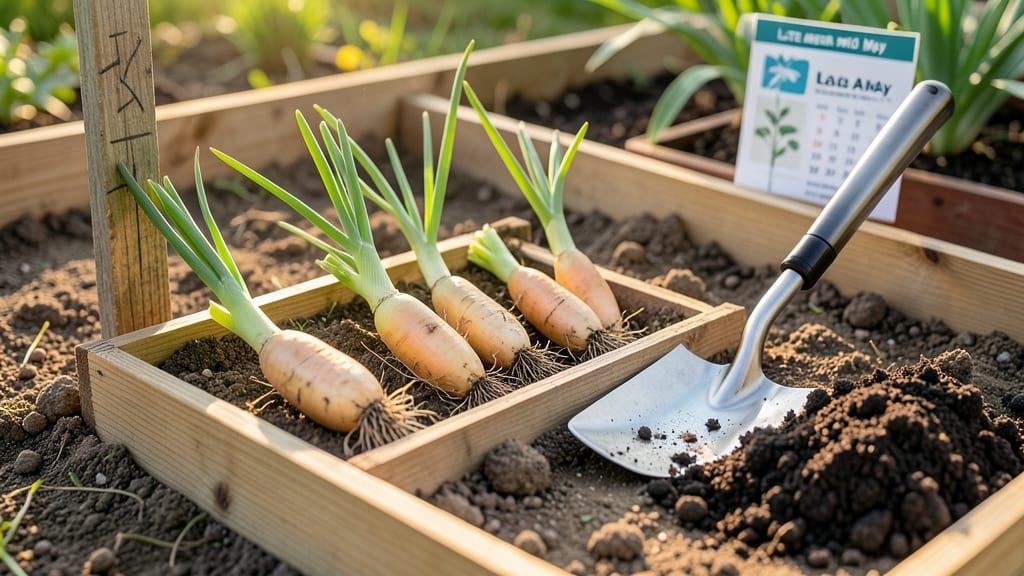
Planting gladiolus bulbs at the right time in Chicago can mean the difference between stunning summer blooms and wasted effort. With the city’s USDA Zone 5B climate, timing is everything—too early, and a late frost will kill your 🌸 gladiolus before they even sprout.
Most gardeners here wait until mid-April to early May, after the last frost date, but that’s just the starting point. Soil temperature matters just as much—waiting until the ground warms to at least 60°F ensures strong root growth and vibrant flowers.
Whether you’re planting in your backyard or containers on a balcony, getting the timing right is the key to a showstopping display from July through September. I’ll walk you through the exact steps to plant your bulbs for maximum success.
Let’s dive into the best strategies for Chicago’s unpredictable spring weather, so you can enjoy those bold blooms without the guesswork.
Ideal planting timeline for gladiolus in Chicago’s USDA Zone 5B climate
Chicago’s USDA Zone 5B climate demands precise timing for gladiolus bulbs, where late frosts and short growing seasons can derail your blooms.
The last average frost date in Chicago typically falls around April 15, but Lake Michigan’s influence can push inland areas like O’Hare to April 20—always check local forecasts. Planting too early risks frost damage, while waiting too long may stunt growth before summer heat arrives.
Gladiolus corms thrive when soil temperatures reach 60°F (15°C), a threshold Chicago usually hits by late April. Use a soil thermometer to confirm—cold soil slows root development and delays blooms.
For urban gardeners with limited space, container planting offers flexibility, but ensure pots have drainage holes to prevent rot in Chicago’s damp springs.
Here’s your month-by-month planting guide tailored to Chicago’s climate, balancing frost risk with summer bloom goals:
| Month | Planting Window | Soil Temp | Key Consideration |
|---|---|---|---|
| Mid-April | Early risers only (Lake-side areas) | 50–55°F (10–13°C) | High frost risk; use row covers if planting |
| Late April | Primary window (after last frost) | 60–65°F (15–18°C) | Ideal for full sun exposure and root growth |
| Early May | Backup window (if late frost delayed) | 65–70°F (18–21°C) | Blooms may arrive 1–2 weeks later |
| June | Not recommended (limited time to bloom) | 70°F+ (21°C+) | Risk of bolting before frost; save for next year |
For container gardening, plant gladiolus corms in 5-gallon pots filled with a mix of potting soil and perlite to improve drainage. Place containers in south-facing spots where they’ll receive 6+ hours of sunlight daily—a critical factor for Chicago’s short summers.
Urban gardeners often achieve 20–30% more blooms by elevating pots to avoid waterlogging in heavy spring rains.
Chicago’s microclimates play a role: Areas near Lake Michigan (e.g., Evanston) may experience earlier soil warming by 3–5 days compared to inland spots like Joliet. Monitor your local Almanac frost dates and adjust planting by 1–2 weeks if your area runs cooler.
Pro tip: Plant test corms in late April to gauge your soil’s readiness before committing to your full garden.
Once planted, maintain consistent moisture—Chicago’s windy conditions can dry soil quickly. Mulch with straw or shredded leaves to retain moisture and suppress weeds, which compete for nutrients in Chicago’s clay-heavy soils. Avoid over-mulching, as gladiolus corms need airflow to prevent rot.
By adhering to this timeline, you’ll ensure vibrant blooms from July through September, even in Chicago’s unpredictable climate. The key is patience—rushing the process risks stunted growth, while precise timing rewards you with show-stopping gladiolus spikes that turn heads at local garden tours. 🌸
How to adjust planting dates for Chicago’s unpredictable weather patterns
Chicago’s spring can be a gardener’s rollercoaster—one day it’s 60°F and sunny, the next it’s 32°F with snow flurries. Late frosts after April 15 aren’t uncommon, especially in inland areas like O’Hare or Midway, while Lake-effect zones near Evanston may warm faster.
To avoid frost damage to tender gladiolus shoots, I’ve learned to play it smart with flexible planting windows and soil warming tricks.
Start by monitoring the National Weather Service’s frost predictions or use local gardening forums like the Chicago Botanic Garden’s community board. If your soil stays below 55°F for more than a week after your target April 15 date, delay planting by 1-2 weeks.
A simple soil thermometer ($10 at garden centers) is your best friend—gladiolus corms need consistent warmth to sprout reliably.
If a hard freeze (below 28°F) is forecast within 2 weeks of planting, cover newly sprouted gladiolus with frost cloth or a clear plastic tunnel. Young shoots are extremely vulnerable—even a 30°F night can stunt growth for 3-4 weeks.
🌱 Pro Tip: Plant early varieties (like ‘White Friendship’) first—they’ll bloom faster and give you a head start if summer arrives late.
For delayed starts, don’t panic—gladiolus can handle June planting in Chicago, though expect smaller blooms and later July-August flowers. If you miss the April-May window, opt for container gardening on patios or balconies.
Pots warm up faster and let you move plants indoors if frost threatens. Just ensure containers have drainage holes to prevent root rot from Chicago’s heavy spring rains.
Mulching is another game-changer for Chicago gardeners. After planting, apply 2-3 inches of straw mulch to retain soil heat and suppress weeds. This extends the growing season by 10-14 days, giving gladiolus more time to establish roots before summer’s heat sets in.
Avoid dark mulches like black plastic—they can overheat soil, stressing corms.
If you’re new to gladiolus, consider staggered planting: divide your corms into three groups and plant them 2 weeks apart. This ensures continuous blooms from late July through September, even if Chicago’s weather throws curveballs.
For example, plant 1/3 of your corms on April 20, another 1/3 on May 5, and the final batch by May 20.
Finally, keep an eye on the 7-day forecast in the days leading up to planting. If rain is predicted, delay until the ground dries—waterlogged soil can cause corms to rot before sprouting.
Chicago’s June heatwaves can also stress newly planted gladiolus, so water deeply (1-2 inches per week) and avoid overhead sprinklers to prevent fungal diseases like botrytis. With these adjustments, you’ll beat Chicago’s unpredictable spring and enjoy showstopping blooms no matter what Mother Nature throws your way.