
Plants
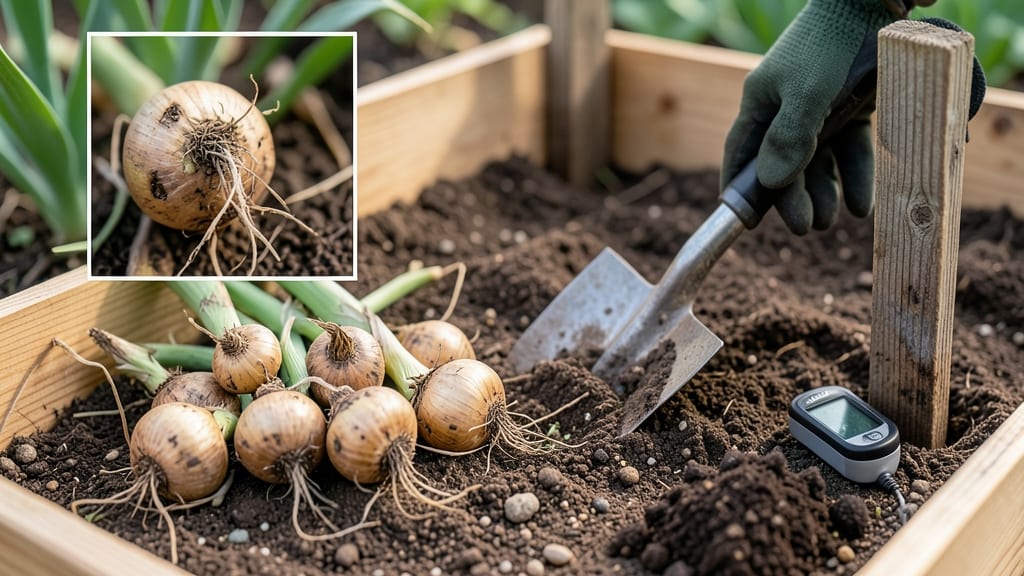
Planting gladiolus bulbs at the right time in Wisconsin is the secret to those show-stopping summer blooms that make neighbors stop and stare.
With USDA Zones 4b-6a throwing unpredictable frost dates your way, timing matters more than you might think—get it wrong, and you could end up with flops instead of flowers.
Most gardeners assume gladiolus bulbs belong in the ground by Memorial Day, but that’s not always the case. The key is waiting until soil temperatures hit at least 60°F and the last frost has truly passed—usually late April to mid-May in Wisconsin.
That’s when your 🌸 gladiolus bulbs get the jumpstart they need to thrive.
Here’s the game-changer: even within Wisconsin, frost dates can vary by 1-2 weeks depending on whether you’re in the cooler north or the slightly milder south. I’ll show you how to pinpoint your exact planting window using local weather data, so you’re not guessing whether those bulbs will make it.
By the end, you’ll know not just when to plant, but also how to stretch your blooming season from July through September—because who wants flowers that last only a month? Let’s get those gladiolus bulbs in the ground the right way.
Wisconsin gladiolus planting timeline: exact weeks before last frost by Zone
Timing your gladiolus bulbs in Wisconsin depends on your USDA Zone and local last frost dates. Since Wisconsin spans Zones 3-5, your planting window shifts slightly north to south.
Most gardeners aim for 2-4 weeks after the average last frost date, when soil temperatures reach 60°F (15°C)—critical for bulb root growth. Let’s break it down by zone to pinpoint your exact planting window.
For Zone 3 (northern WI), the average last frost date falls around May 15, giving you a planting window of May 20–June 1. In Zone 4 (central WI), where most of the state lies, you’ll plant between May 1–May 15.
Meanwhile, Zone 5 (southern WI) can start as early as April 20–May 1, thanks to milder springs. Always verify your local frost-free date using the National Weather Service or Old Farmer’s Almanac for precision.
Soil temperature is just as important as frost dates. Gladiolus bulbs need soil warmth to sprout, so wait until the ground reaches 60°F (15°C) at 6-inch depth. Use a soil thermometer to check—cold soil delays sprouting and weakens stems.
In Wisconsin, this typically aligns with late April to early May, but urban areas (like Madison or Milwaukee) may warm faster than rural zones due to the heat island effect.
Pro Tip: If you’re unsure about frost dates, use biodegradable plant markers to track your planting date. This helps you remember when to expect blooms (90–120 days after planting) and when to harvest bulbs for next year. For example, bulbs planted on May 1 should bloom by late July—perfect for summer cut flower arrangements!
Adjust your planting timeline if you’re in a microclimate, like a south-facing slope or urban garden. These areas may warm 1–2 weeks earlier than surrounding zones. For example, Milwaukee’s lake-effect can delay frost, while Madison’s hills might warm faster.
To test, plant a few bulbs in a protected spot 1–2 weeks early and cover them with frost cloth if nights dip below 32°F (0°C).
If you’re new to gladiolus, start with early blooming varieties like ‘White Friendship’ or ‘Pink Paradise’—they thrive in Wisconsin’s shorter growing season. These varieties need only 90–100 days to bloom, while late varieties (like ‘Black Star’) may not mature before first frost in Zone 3.
Always check the days-to-bloom label on your bulbs to match your planting window.
For container gardening, plant gladiolus bulbs in large pots (12+ inches deep) and place them in full sun. Containers warm up faster than garden beds, so you can plant 1–2 weeks earlier than in-ground.
Just ensure pots have drainage holes to prevent bulb rot—a common issue in Wisconsin’s wet springs.
Mark your calendar for July 4th weekend as a reminder to stake your gladiolus if stems exceed 2 feet. Wisconsin’s windy summers can snap tall blooms, and staking ensures your 🌸 gladiolus stand proudly in bouquets or garden beds. Use bamboo stakes or soft twine to avoid damaging stems.
Finally, plan for succession planting to extend blooms through September. Plant a second
5 Critical factors that determine perfect gladiolus planting time in Wisconsin
Timing gladiolus bulbs isn’t just about frost dates—it’s about soil warmth, moisture balance, and even bulb hardiness. In Wisconsin’s USDA Zones 4b-6a, these factors can shift your planting window by 2-3 weeks depending on your microclimate. Let’s break down what truly matters beyond the calendar.
First, soil temperature is your #1 guide. Gladiolus bulbs need soil that’s at least 60°F—any cooler, and they’ll rot. Use a soil thermometer ($10 at garden centers) to check depth before planting.
In northern Wisconsin, this might mean waiting until late May, while southern areas can start in early May.
Next, moisture levels play a sneaky role. Too much water after planting causes bulb rot, but dry soil stresses new roots. Aim for well-draining soil with 1-2 inches of moisture weekly. A simple test: squeeze a handful of soil—if it crumbles when dry, it’s ready.
Don’t overlook bulb hardiness. Wisconsin’s late springs can bring unexpected frosts. Opt for Zone 4-5 rated gladiolus bulbs—these tough varieties handle 30°F temperatures better than tropical hybrids. Check the packaging for corm size too: larger corms (2" diameter) establish faster in cool soil.
Here’s a common mistake I see: planting too early for sunlight. Gladiolus need full sun (6+ hours daily) to thrive. If your garden gets afternoon shade, wait until late May when the sun arcs higher. Shady spots = leggy stems and fewer blooms.
Pro tip: Use a planting calendar like the Old Farmer’s Almanac to cross-reference frost dates with soil temps. For Wisconsin, bookmark their local frost predictor tool—it adjusts for your ZIP code. Once you’ve nailed these 5 factors, your gladiolus will bloom 2-3 weeks earlier and last 6+ weeks.