
Plants
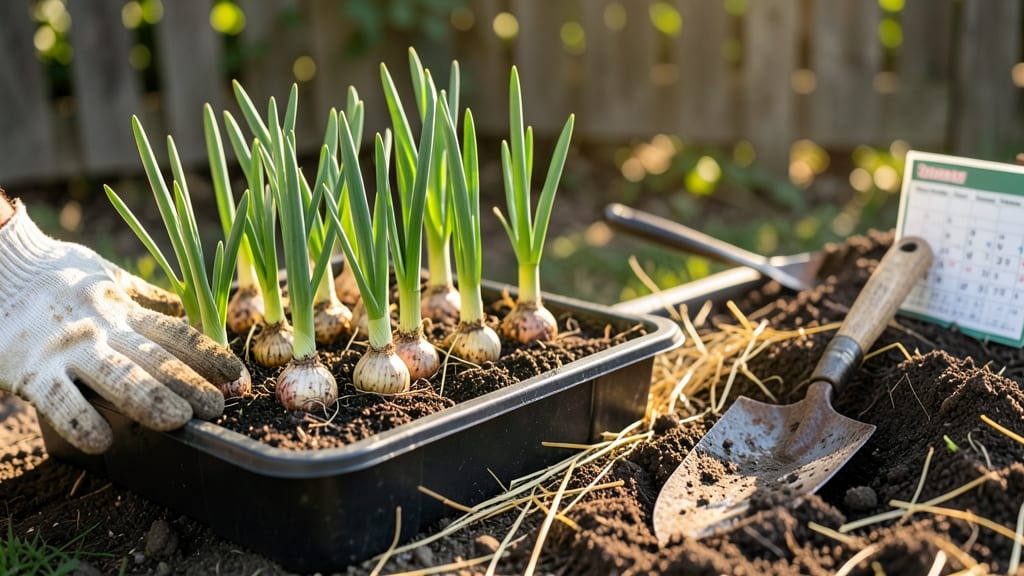
Timing your gladiolus bulbs planting in Indiana can mean the difference between a show-stopping summer garden and a disappointing flop. Those 🌸 blooms need the perfect window—too early, and cold soil rots the corms; too late, and you’ll miss peak flowering.
The ideal moment arrives when soil warms to 60°F, typically 4-6 weeks before Indiana’s last frost (around mid-April).
Here’s the game-changer: Indiana’s USDA Zone 6a climate means you’ve got a narrow but critical window—usually late April to early May—to get those bulbs in the ground. Skipping this timing can leave your glads struggling, but with the right approach, you’ll unlock bold, vibrant blooms from July through September.
Let’s break down the exact steps to nail it.
Why does this matter? Because gladiolus thrive on consistency—warm soil, full sun, and just enough moisture. Plant too soon, and you risk bulb rot from lingering cold. Wait too long, and your blooms may arrive late, cutting short your summer display.
The key is balancing soil temperature, frost dates, and your local microclimate, whether you’re in northern Indiana’s cooler pockets or southern areas with a head start.
In this guide, I’ll walk you through the precise weeks to plant, how to adjust for Indiana’s regional quirks, and the common mistakes that trip up even experienced gardeners. By the end, you’ll know exactly when to dig—and how to set your gladiolus up for a stunning, long-lasting show.
Indiana’s gladiolus planting timeline: weeks before frost for perfect blooms
Indiana’s USDA Zones 5-6 create a unique window for planting gladiolus bulbs. The last spring frost typically hits around April 15, but soil temperatures must reach 60°F for healthy growth.
Aim to plant 4-6 weeks before your average last frost date to give roots time to establish before summer heat arrives.
For northern Indiana (Zone 5), this means mid-April to early May is ideal. In southern Indiana (Zone 6), you can start as early as late March in protected microclimates. The key is avoiding cold, wet soil, which causes bulb rot—a common mistake among Indiana gardeners.
Gladiolus bulbs need 6-8 weeks of warm soil to produce those iconic summer blooms. Planting too early in cold, damp soil triggers rot, while planting too late may result in stunted growth or no flowers at all. Let’s break down the exact weeks before frost for each planting window.
| Planting Window | Weeks Before Last Frost | Soil Temp Requirement | Indiana Planting Date |
|---|---|---|---|
| Early Season | 6 weeks | 55°F+ | Late March (Southern IN) |
| Standard Window | 4-5 weeks | 60°F+ | Mid-April to Early May |
| Late Season | 3 weeks | 65°F+ | Early June (Extension) |
🌱 Note: Late-season planting may reduce bloom size but extends your fall color options.
If you’re in northern Indiana, wait until after Mother’s Day (around May 10) to ensure soil warmth. Use a soil thermometer to confirm temperatures—60°F is the magic number for gladiolus success.
For southern Indiana, late March plantings can work if you use black plastic mulch to warm the soil faster.
Pro tip: Pre-warm bulbs by soaking them in lukewarm water for 24 hours before planting. This jumpstarts growth and helps them handle Indiana’s variable spring weather. Pair this with well-draining soil to prevent rot during those cool, rainy April days.
For container gardening, plant gladiolus bulbs 2-3 weeks earlier than in-ground plantings. Pots warm up faster in sunny spots, giving you a head start. Just ensure containers have drainage holes—gladiolus hates soggy roots, and Indiana’s spring rains can be relentless.
Remember, gladiolus bulbs are not frost-hardy. If an unexpected late spring freeze hits (like the 2020 Easter weekend frost), cover plants with frost cloth or a lightweight row cover. This protects emerging shoots while allowing sunlight to penetrate.
Once planted, water deeply to settle soil around bulbs, but avoid overwatering—gladiolus prefers moderate moisture. In dry Indiana summers, aim for 1-2 inches of water per week, focusing on the base of the plant to prevent fungal diseases like botrytis.
By following this 4-6 week pre-frost rule, your gladiolus will reward you with tall, vibrant blooms from July through September. Timing isn’t just about avoiding frost—it’s about giving your glads the perfect warm-up to shine in Indiana’s summer garden. 🌸
Indiana’s gladiolus planting timeline: weeks before frost for perfect blooms
Indiana’s USDA zones 5-6 mean your gladiolus bulbs need precise timing—plant too early, and cold soil triggers rot; too late, and you’ll miss summer’s showstopping blooms. The last frost date in Indiana typically falls around April 15, but your exact window depends on microclimates and elevation.
For peak blooms from July to September, aim to plant 4-6 weeks before your local last frost. This gives corms time to establish roots before active growth begins. In northern Indiana (zones 5), start by mid-April, while southern Indiana (zones 6) can wait until early May.
| Planting Window | USDA Zone | Soil Temp Threshold | Bloom Time |
|---|---|---|---|
| Mid-April to early May | 5 (Northern IN) | 50°F+ consistently | July-August |
| Early May to mid-May | 6 (Southern IN) | 55°F+ consistently | August-September |
| Late May (extension) | All zones | 60°F+ (row covers) | September-October |
Pro tip: Use a soil thermometer to confirm 50°F+ soil temps before planting. Cold soil slows root growth, leaving bulbs vulnerable to rot diseases. If your soil stays below 50°F past mid-May, opt for raised beds or black plastic mulch to warm the soil faster.
For extended blooms, stagger plantings every 2-3 weeks from April through June. This ensures a continuous display from summer through early fall. Just remember: late plantings (after June) risk first frost before blooming.
Once planted, mulch heavily with straw or shredded leaves to maintain consistent soil temps and retain moisture. This is especially critical in Indiana’s hot, dry summers, where mulch can mean the difference between vibrant blooms and wilting spikes.
Track your local frost dates using the Indiana State Climate Office or plant gladiolus corms alongside marigolds—their bright blooms signal it’s safe to plant. With the right timing, your garden will burst with 3-foot-tall spikes of color from July through October.