
Plants
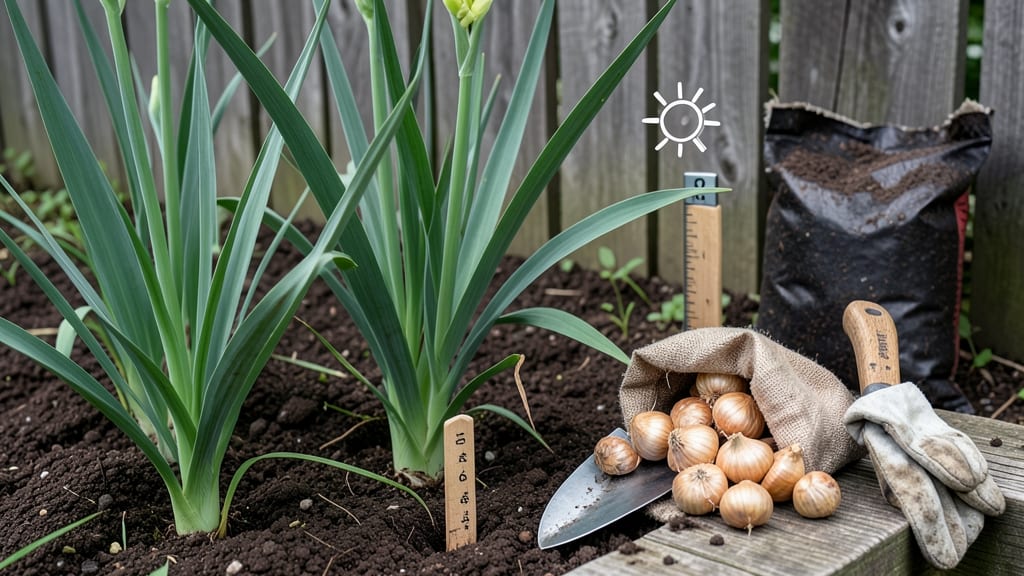
Planting gladiolus bulbs in North Carolina at the wrong time means watching your 🌸 gladiolus dreams wilt before they bloom—literally. With frost dates shifting from mid-March to early April and heat building fast by May, timing isn’t just important—it’s the difference between a garden showstopper and a sad, shriveled corm.
Most NC gardeners in Zones 7B-8A (think Raleigh, Charlotte, or Asheville) should wait until April 15 at the earliest, but coastal areas might push that to late May.
The key is soil temperature: aim for 60°F or warmer, and you’ll avoid the double whammy of frost damage or stunted growth from cool soil.
Here’s the game-changer: staggered planting every 2-3 weeks lets you enjoy blooms from July through September. Whether you’re a first-timer or a seasoned gardener, I’ll break down the exact dates, soil prep secrets, and how to handle NC’s tricky microclimates—so your gladiolus stand tall and proud all summer long.
Ready to turn your garden into a 🌸 paradise? Let’s dive into the foolproof planting schedule that’ll have your neighbors asking for cuttings by July.
North Carolina gladiolus planting calendar: exact dates by zone 7B vs 8A
North Carolina’s gladiolus planting window hinges on your USDA Zone—whether you’re in Zone 7B (Raleigh, Greensboro) or Zone 8A (Charlotte, Asheville). The difference between these zones can mean weeks of variation in your frost-free timeline, so let’s break it down by the numbers.
For Zone 7B, aim for mid-April to May 15, while Zone 8A gardeners have a slightly later window of late April to early June. These dates align with soil temperatures reaching 60°F+, the sweet spot for gladiolus corms to sprout without risking frost damage.
Gladiolus corms are notoriously sensitive to cold—planting too early in Zone 7B risks frost heave (when soil freezes and lifts bulbs, damaging roots), while Zone 8A gardeners can push planting into early June for late-summer blooms.
Use your local frost date as your guide: in Raleigh, the average last frost is April 15, but in Asheville, it’s often May 1. For a foolproof approach, wait until 3 weeks after your last frost date—this accounts for NC’s unpredictable spring weather patterns.
Here’s the visual breakdown of your planting timeline, including soil prep and heat tolerance thresholds:
| Zone & Location | Last Frost Date | Ideal Planting Window | Soil Temp Threshold | Heat Tolerance Limit |
|---|---|---|---|---|
| Zone 7B (Raleigh, Greensboro) | April 15 | April 15 – May 15 | 60°F+ | 90°F (use shade cloth) |
| Zone 8A (Charlotte, Asheville) | May 1 | April 30 – June 1 | 60°F+ | 95°F (mulch heavily) |
| Coastal NC (Wilmington, Outer Banks) | March 20 | March 30 – May 10 | 55°F+ | 85°F (humidity-sensitive) |
Pro tip: If you’re in Zone 7B and want to experiment with fall planting, try late August to early September—but only if your soil stays above 50°F for 6+ weeks.
Gladiolus corms planted in fall won’t bloom until the following year, but it’s a great way to extend your blooming season if timed correctly. For most NC gardeners, though, spring planting is the gold standard for vibrant summer flowers.
One common mistake I see is planting gladiolus too shallowly—they need 4–6 inches of soil coverage to anchor properly. In Zone 8A, where summers are hotter, add a 2-inch layer of mulch (straw or pine needles) to retain moisture and regulate soil temperature.
This is especially critical during June and July, when NC’s heat can stress young corms. Pair this with morning watering to prevent fungal issues like botrytis, which thrives in humid NC summers.
For gardeners in Zone 7B, where nights can still dip into the 40s°F in May, consider using row covers for the first 2 weeks after planting. These lightweight fabrics protect tender shoots without trapping heat.
Remove them once the soil temperature consistently stays above 60°F—usually by early June. This simple hack can double your success rate if you’re on the fence about planting early.
Don’t overlook soil preparation—gladiolus crave well-draining soil with a pH between 6.0–7.0. Amend heavy clay soils (common in the Piedmont region) with compost or sand to prevent waterlogging.
In Zone 8A, where rainfall is more frequent, raise your beds slightly or plant on mounds to improve drainage. Test your soil’s nitrogen levels too—gladiolus are heavy feeders and need balanced fertilizer (like 10-10-10) applied at planting and again when flower spikes emerge.
Timing isn’t just about the calendar—it’s about reading your microclimate. Urban areas like Charlotte experience urban heat islands, where pavement and buildings trap heat, allowing you to plant 1–2 weeks earlier than rural zones.
Conversely, mountain regions (e.g., Asheville) may need to wait until early June to avoid late-spring frosts. Use a soil thermometer ($10 at garden centers) to confirm your soil is ready—60°F is non-negotiable for gladiolus.
Here’s a quick cheat sheet for your planting day: Choose a cloudy morning to reduce stress on corms, space them 6 inches apart in rows 18
5 Critical factors that determine your gladiolus planting success in NC
North Carolina’s unpredictable spring weather—think late frost in April or sudden heatwaves—can turn your gladiolus planting into a gamble. The 5 critical factors below are what separate thriving blooms from failed experiments.
First up: soil temperature. Gladiolus corms need soil at 60°F or warmer to sprout reliably. Use a soil thermometer ($15 at garden centers) to check depths of 4-6 inches before planting.
Next, moisture levels matter more than you’d think. Overwatering in cool soil leads to rot, while drought stress stunts growth. Aim for consistent moisture—not soggy—by watering deeply 2-3 times per week until shoots emerge. Mulch with straw or pine needles to retain humidity without suffocating the corms.
- 🌡️ Soil Temp: ≥60°F (use thermometer)
- 💧 Moisture: Consistent, not soggy (mulch helps)
- ☀️ Sunlight: 6+ hours daily (no shade compromises)
- 🌰 Bulb Size: Large corms (>2") bloom faster
- 🗺️ Microclimate: Urban areas heat up faster than rural
Don’t overlook sunlight exposure. Gladiolus demand full sun (6+ hours daily), but NC’s urban heat islands (like Raleigh or Charlotte) can scorch plants if they’re not acclimated.
Start with morning sun and gradually introduce afternoon exposure over 1-2 weeks. Shade cloth (30% coverage) is a lifesaver for coastal areas where humidity spikes.
The size of your gladiolus corms directly impacts bloom time. Large corms (2 inches or bigger) produce flowers 3-4 weeks faster than small ones. Sort your bulbs before planting: toss the peanut-sized ones or save them for next year’s garden.
Pro tip: Soak corms in lukewarm water for 24 hours before planting to kickstart root growth.
Finally, local microclimates can shift your planting window by weeks. For example, Asheville (Zone 7B) might see frost until April 15, while Wilmington (Zone 8A) could be frost-free by March 15.
Check your Almanac’s frost map and adjust: plant 2 weeks later in valleys or 1 week earlier on south-facing slopes.
Master these factors, and you’ll outsmart NC’s weather—guaranteed 🌸 blooms by July. Skip even one, and you’re playing Russian roulette with your garden’s summer drama.