
Plants
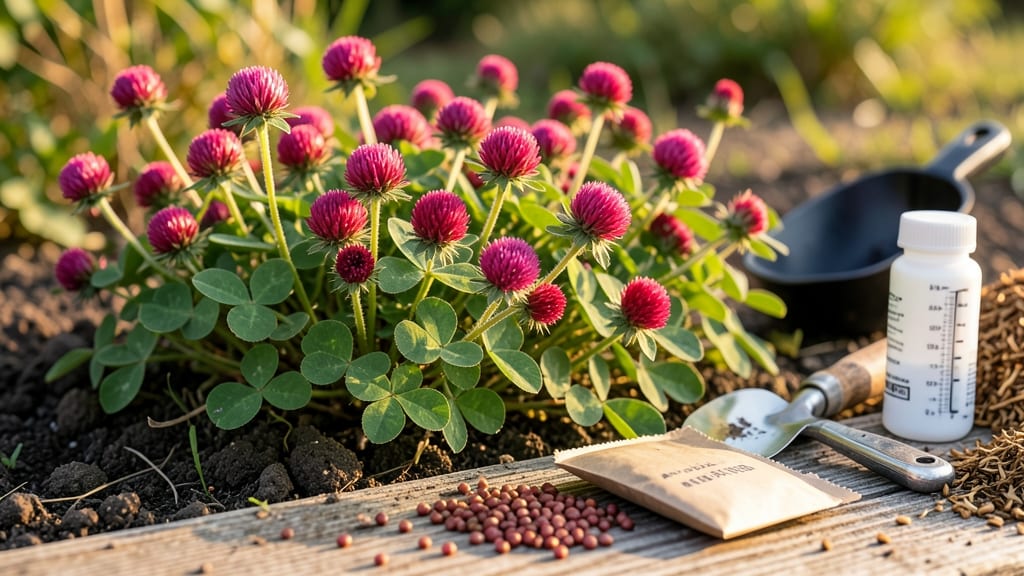
Planting Crimson Clover 🌸 in Texas isn't just about throwing seeds in the ground—it's about timing them perfectly to beat the brutal summer heat and take full advantage of the mild winters.
If you get it wrong, you'll either waste seeds on scorched soil or miss the chance to establish a thriving cover crop that feeds your garden come spring.
For Texas gardeners in zones 8a-10b, the best window to plant is between August and October—when soil temperatures drop below 85°F and the rains of late summer give way to cooler days.
This fall planting gives Crimson Clover roots time to anchor before winter, ensuring it blooms beautifully for pollinators next spring.
But here's the catch: if you're in North Texas, you might also consider a February-March planting for a second chance. The key is avoiding the dog days of summer when seeds bake in the sun or sprout only to wilt under Texas's unforgiving heat.
Let me walk you through the exact steps to time your planting for success—no guesswork, just results.
Whether you're prepping for a winter cover crop or planning to attract bees in spring, mastering these timing tricks will transform your Texas garden from a struggle to a thriving ecosystem. Let's get those seeds in the ground at the perfect moment.
Best planting windows for crimson clover in Texas by region
Texas spans three distinct climate regions, each with unique frost timings and soil temperature thresholds for crimson clover success. North Texas (USDA zones 7b-8a) has cooler winters, while South Texas (zones 9a-10b) rarely sees frost. Central Texas (zones 8a-8b) falls in between, requiring careful timing to avoid summer heat stress or winter dieback.
For all regions, aim to plant crimson clover 4-6 weeks before the first frost—this ensures seeds germinate before cold sets in. Fall planting (August-October) is ideal, but spring planting (February-March) works too, especially in warmer southern zones where winter frost is minimal.
North Texas gardeners should plant between mid-August and early October, targeting soil temperatures between 50°F and 70°F. The first frost typically hits around December 1, so seeds need 120-150 days to establish before winter dormancy.
Central Texas has a slightly longer growing window—plant from late July to mid-October. Frost arrives later (November 15-December 15), giving you flexibility. South Texas can plant as late as October 15, with frost rare before January 15.
Here’s how to align your planting with Texas’ regional frost dates and soil conditions:
| Region | USDA Zone | First Frost | Best Planting Window | Soil Temp for Germination |
|---|---|---|---|---|
| North Texas | 7b-8a | Dec 1 | Mid-Aug to Early Oct | 50°F-70°F |
| Central Texas | 8a-8b | Nov 15-Dec 15 | Late July to Mid-Oct | 55°F-75°F |
| South Texas | 9a-10b | Jan 15 (rare) | Late July to Oct 15 | 60°F-80°F |
If you miss the fall window, spring planting (February-March) is your next best option—just ensure soil temps stay above 50°F for germination. South Texas can even plant into early November, but avoid late plantings if winter temps dip below 20°F.
Pro tip: Use a soil thermometer to confirm temps before planting. Crimson clover seeds need consistent moisture and warm soil (60°F+) to sprout reliably. In dry years, irrigate lightly after sowing to prevent crusting.
For organic gardeners, mix seeds with compost or biochar to improve moisture retention in Texas’ often clay-heavy soils. This helps seeds stay hydrated during the critical first 10 days of germination.
Timing isn’t just about frost—it’s also about weed competition. Plant crimson clover when summer annuals like pigweed are fading, giving your cover crop a 3-4 week head start before weeds regain dominance.
🌱
Signs your Texas soil is ready for crimson clover planting
Before sowing crimson clover seeds, check your Texas soil for three key signs of readiness. Soil temperature is critical—ideal germination occurs between 60°F and 75°F. Use a soil thermometer to confirm this range before planting in fall or spring.
Cool evenings in September or October often signal perfect timing for North and Central Texas.
Next, ensure your soil has adequate moisture but isn’t waterlogged. Crimson clover thrives in well-draining soils, so avoid planting after heavy rains.
A simple moisture test—digging 2 inches deep—will reveal if your soil holds moisture like a damp sponge. Clay-heavy Texas soils may need extra attention here to prevent compaction.
🌱 Key Takeaway: Crimson Clover Soil Readiness
- Soil Temp: 60°F–75°F (use thermometer)
- Moisture: Damp but not soggy (2" deep)
- Weeds: Minimal competition (till or mulch)
- pH Level: 6.0–7.0 (test kit recommended)
✅ Pro Tip: Test soil pH with a $10 kit—Texas soils often skew alkaline, which can stunt clover growth.
Weed competition can derail your crimson clover before it even sprouts. Scan your garden for aggressive summer weeds like crabgrass or pigweed.
If weeds dominate, till the soil 2–3 days before planting or apply a pre-emergent herbicide (like corn gluten meal) to give your clover a fighting chance. South Texas gardens often face worse weed pressure due to warmer winters.
Finally, assess your soil texture. Crimson clover prefers loamy soils but adapts to sandy loam if amended with compost. For clay soils, mix in 2–3 inches of compost or aged manure to improve drainage.
A quick jar test (fill a jar with soil and water, shake, then observe settling layers) can reveal your soil’s structure in minutes.
If your soil checks all three boxes—ideal temperature, proper moisture, and low weed pressure—you’re ready to plant. North Texas gardeners should aim for late September, while South Texas can extend planting into early November. For spring plantings, wait until February when soil warms slightly.
Don’t overlook soil pH, another Texas-specific hurdle. Crimson clover prefers a slightly acidic to neutral pH (6.0–7.0). If your soil tests higher (common in calcareous Texas soilselemental sulfur or peat moss before sowing. A pH adjustment now saves headaches later when seedlings struggle to establish.
With these signs in mind, you’ll avoid the #1 mistake Texas gardeners make: planting when soil is still too warm or dry. Crimson clover is forgiving, but perfect timing ensures a lush, pollinator-friendly cover crop by spring. 🌿