
Plants
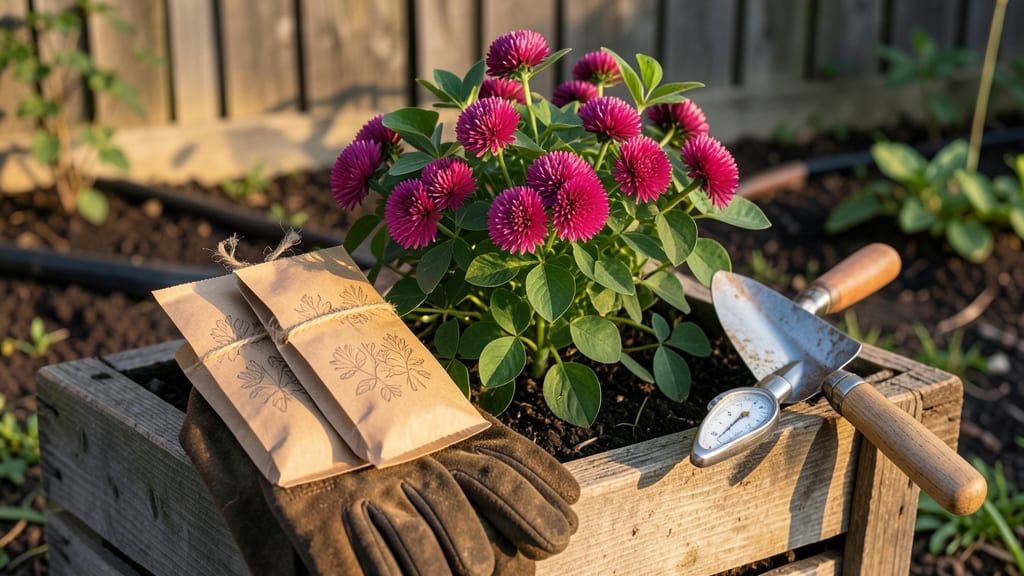
Planting crimson clover 🌸 at the wrong time in Tennessee could leave your garden struggling instead of thriving—especially when soil temperatures and frost dates vary by 100+ miles across the state.
Whether you're prepping for winter forage or summer blooms, getting the timing right means the difference between a lush, nitrogen-rich cover crop and wasted seeds. I’ve broken down the exact windows that work for East Tennessee’s cooler valleys versus West Tennessee’s warmer lowlands, so you can plant with confidence.
Most gardeners assume spring is the only option, but late summer plantings often outperform spring in Tennessee’s 6a-7b zones. I’ll show you how to adjust for your specific county’s frost-free deadlines and soil warmth—no guesswork required.
Ready to unlock the secrets to faster germination and hardier growth? Let’s dive into the planting schedule that’ll make your crimson clover flourish, no matter where you are in the state.
Optimal planting windows for crimson clover by Tennessee region
Crimson clover thrives in Tennessee’s USDA zones 6a-7b, but planting timing varies dramatically between East, Middle, and West Tennessee. The key is aligning your schedule with soil temperatures (ideal: 55-60°F) and frost-free deadlines. In Nashville, for example, last frost typically hits mid-April, while Memphis sees it a week earlier. Knoxville’s higher elevation delays frost until late April, requiring adjustments.
For spring planting, aim for March-April once soil warms to 50°F. This gives plants 60-90 days to establish before summer heat. Fall planting (August-September) is ideal for winter cover crops, but avoid seeding after mid-October in most regions to prevent frost damage before root establishment.
Here’s how to match crimson clover planting to Tennessee’s three distinct regions, including county-specific adjustments:
In East Tennessee, where Knoxville’s elevation adds 2-3 weeks to frost risk, I recommend using row covers to extend the spring planting window into early May.
For West Tennessee, where Memphis’ milder winters allow July-August fall planting, prioritize seed viability—crimson clover seeds need consistent moisture to germinate in summer heat.
Pro tip: Use a soil thermometer to confirm 50°F+ before planting. In Middle Tennessee, urban areas like Nashville can be 5–10°F warmer than rural zones, so adjust your schedule accordingly. For high-altitude gardens (e.g., Great Smoky Mountains), wait until after May 1 to avoid late frosts.
If you’re planting for winter forage, late August–early September is ideal across most of Tennessee. This gives roots 6–8 weeks to establish before first frost (typically mid-October). In Chattanooga, where microclimates vary sharply, I’ve had success with September 15 as a cutoff for fall planting.
For spring planting, don’t rush—waiting until soil temps hit 50°F ensures strong germination. In Johnson City, I’ve seen failed plantings when gardeners seeded in February only to hit sub-40°F nights. Patience pays off with healthier, more resilient crimson clover stands.
🌸
Soil temperature and microclimate adjustments for crimson clover success
Crimson clover thrives when planted in soil temperatures between 55-60°F, but Tennessee’s diverse microclimates—from the cool mountain valleys of the Smokies to the urban heat islands of Nashville—can throw off your timing.
A soil thermometer is your best tool to verify readiness, especially in high-altitude areas where frost lingers longer.
In West Tennessee’s lowlands, like Shelby County, soil warms faster, allowing earlier spring plantings (as early as mid-March). Meanwhile, East Tennessee’s elevations, such as Sevier County, may need to wait until late April to avoid frost damage.
Urban areas like Memphis can experience 5-10°F warmer soil than rural zones, so adjust accordingly.
🌱
Urban heat islands can trick you into planting too early—soil may feel warm, but nighttime temps can still dip below 40°F. Use a minimum-maximum thermometer to track overnight lows. High-altitude areas (e.g., Great Smoky Mountains) often have 2-3 weeks later frost-free dates than lowland regions.
Solution: Plant 2 weeks later in mountainous zones and 1 week earlier in urban heat pockets compared to rural averages.
For fall plantings, aim for August-September when soil temps drop to 65-70°F—this gives seedlings time to establish before winter. In West Tennessee, where summers are hotter, delay until mid-September to avoid heat stress. Conversely, East Tennessee’s cooler summers may allow late August plantings.
Mulching with straw or wood chips can help regulate soil temps by 2-5°F, extending your planting window by 1-2 weeks in spring or fall. Just avoid thick layers (1 inch max) to prevent rotting seeds or fungal growth.
Test your soil’s moisture too—dry soil warms faster than damp soil, so water lightly before planting to stabilize temps.
If you’re unsure about your microclimate, check local USDA Plant Hardiness Zone maps and cross-reference with Almanac frost dates. For example, Zone 6a (e.g., Johnson City) has a later last frost than Zone 7b (e.g., Memphis), so adjust your schedule accordingly.
A 30-day buffer before the average last frost date ensures safety.
Pro tip: Crimson clover’s bright red flowers are a sign it’s happy—if your plants look stunted or yellow, it’s likely too cold. Conversely, wilting by noon in summer heat means you’ve planted too early. Flexibility is key in Tennessee’s unpredictable spring weather!