
Plants
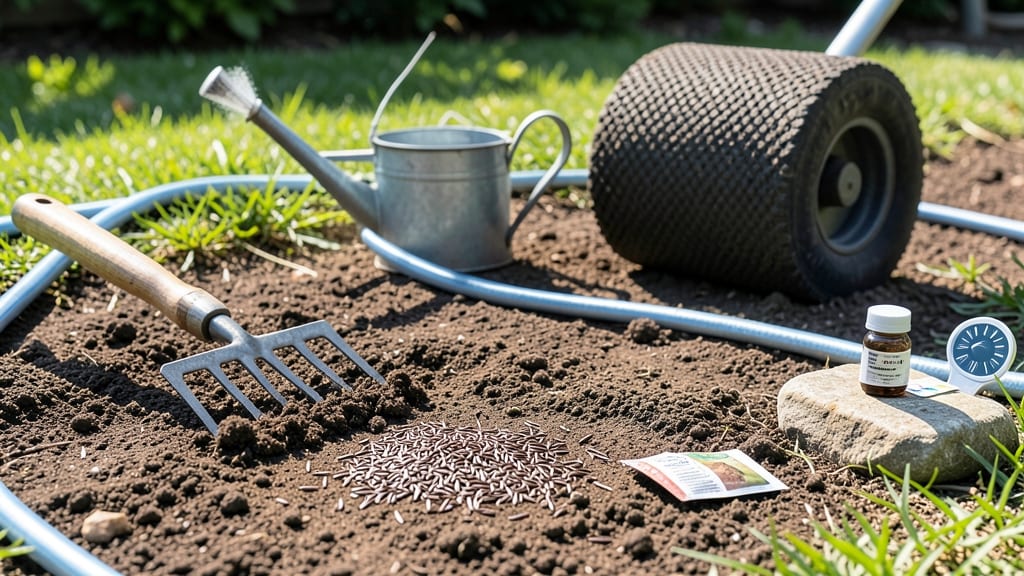
Planting Bermuda grass seed 🌱 in North Texas at the wrong time means watching your hard work wither before it even starts. The key to a lush, thriving lawn lies in understanding your local frost-free window and soil temperatures—both of which can make or break your grass's survival.
If you've ever stared at a patchy lawn wondering what went wrong, chances are you planted too early or too late.
North Texas's 8a climate demands precision: soil needs to hit at least 65°F for seeds to germinate, and waiting until after the last frost (usually mid-April) ensures your grass stands a fighting chance against late cold snaps.
I’ll break down exactly when to start, how to prep your soil, and what to watch for—so you can skip the guesswork and get a lawn that’s the envy of the neighborhood. Ready to turn your yard into a green oasis? Let’s dive in.
The best window for planting Bermuda grass seed in North Texas runs from late spring to early summer, but timing isn’t just about the calendar—it’s about the soil’s readiness.
Too early, and frost will kill your seedlings; too late, and summer heat can stress them before they take root. Here’s how to nail it every time.
Optimal soil temperature ranges for Bermuda grass seed germination in North Texas
North Texas summers are brutal, but your Bermuda grass seed thrives when planted at the perfect soil temperature. The sweet spot for germination is between 65°F and 75°F, where seeds wake up from dormancy and sprout reliably.
Cooler soil (below 60°F) can leave seeds dormant, while scorching heat (above 80°F) may cause them to dry out before sprouting.
Soil temperature varies across North Texas—Dallas typically hits 65°F by mid-April, while Waco may need to wait until late April. Fort Worth usually aligns with Dallas but can lag 3–5 days behind due to microclimates.
Use a soil thermometer ($10–$15 at garden centers) to check daily, especially in the morning when temps are most stable.
Why does this matter? Bermuda grass seeds are warm-season grasses, meaning they won’t germinate in cool soil. Planting too early (e.g., March) risks frost damage or seeds rotting in damp, cold earth.
Conversely, waiting until July or August means battling intense summer heat, which can dry out seeds before they sprout.
Pro tip: If your soil is too cold, cover the seeded area with black plastic mulch for 1–2 weeks to absorb sunlight and raise soil temps. Remove it once germination begins to avoid overheating young sprouts.
| Soil Temp Range | Germination Speed | North Texas Timing | Risk if Planted |
|---|---|---|---|
| Below 60°F | None (dormant) | March (early) | Frost kill or rot |
| 60°F–64°F | Slow (3+ weeks) | Late March–early April | Uneven sprouting |
| 65°F–75°F | Optimal (7–14 days) | Mid-April–June | Best success |
| 75°F–80°F | Fast (5–10 days) | July–August | Seed desiccation |
| Above 80°F | None (dries out) | September+ | Total failure |
Use a soil thermometer to confirm temps before planting.
North Texas’ clay-heavy soils retain heat longer than sandy soils, so check temps 1–2 inches deep (where seeds will be). If your yard has shady spots, soil may stay 5–10°F cooler than sunny areas—plant seeds in the warmest part of your lawn first for faster results.
For container planting, use a heat mat ($20–$30) to maintain 70°F+ soil temps if you’re starting seeds indoors. This is especially useful if you’re overwintering Bermuda grass for an early spring jumpstart.
Remember: Consistency is key. Check soil temps daily for a week before planting to avoid surprises. If temps dip below 65°F after seeding, cover seeds lightly with straw mulch to insulate them until conditions improve.
Once your soil hits that 65°F–75°F window, you’re ready to plant—but don’t rush! Wait until morning hours when temps are cooler to minimize stress on freshly sown seeds.
🌱
North Texas frost-free deadline timeline: when to start planting for maximum growth
North Texas’s frost-free deadline is your golden ticket to a thriving Bermuda grass lawn. Typically, the last frost hits around mid-April, but this can shift slightly depending on your exact location—Dallas might be a week earlier than Waco.
Waiting until after this date ensures your seeds won’t be zapped by unexpected cold snaps.
For maximum growth, aim to plant Bermuda grass seed between late April and early June. This window gives your grass enough time to establish roots before summer’s intense heat sets in.
If you’re in a cooler microclimate (like the Hill Country), you might push planting to early May to be extra safe.
Here’s how to calculate your local frost-free date if you’re unsure: Check the National Weather Service or use a frost-free date calculator tailored to your ZIP code. For most of North Texas, this falls between April 15 and May 1, but always verify.
If you’re late to the game and miss the ideal window, don’t panic. You can still plant Bermuda grass seed in late June or early July, but be prepared for slower germination due to heat. Use shade cloth or mulch to protect seedlings until they’re established.
Pro tip: Use a heat map tool like the Texas A&M AgriLife Extension website to track soil and air temperatures. These tools show real-time data, so you can adjust your planting schedule based on current conditions—not just the calendar.
For early varieties, you can start prepping your soil in March (like loosening clay-heavy areas), but hold off on planting until after the last frost. If you’re using sod instead of seed, you can plant a few weeks earlier, but seeds need that extra buffer.
Remember, Bermuda grass is aggressive and fast-growing once established, but it needs a strong start. By aligning your planting with North Texas’s frost-free timeline, you’ll give your lawn the best chance to thrive all season long.
📅 Key Planting Timeline for North Texas
- 🌡️ March: Prep soil (loosen, amend with compost) but wait to plant until after last frost.
- ❄️ Mid-April: Monitor frost-free date—plant Bermuda grass seed after this window.
- 🌱 Late April–Early June: Ideal planting window for fastest germination and growth.
- ☀️ June–July: Late planting possible, but use shade protection for seedlings.
- 📊 Year-round: Test soil temperature with a soil thermometer—aim for 65°F+.
Once you’ve nailed your planting window, the next step is soil preparation. Bermuda grass thrives in well-draining soil with a pH between 6.0 and 7.5. If your yard’s soil is heavy clay (common in North Texas), consider amending it with sand or compost to improve drainage.
After planting, consistent watering is critical. Bermuda grass needs about 1 inch of water per week during establishment, but avoid overwatering—this can lead to fungal issues. Water deeply in the morning to reduce evaporation and give roots a strong start.