
Plants
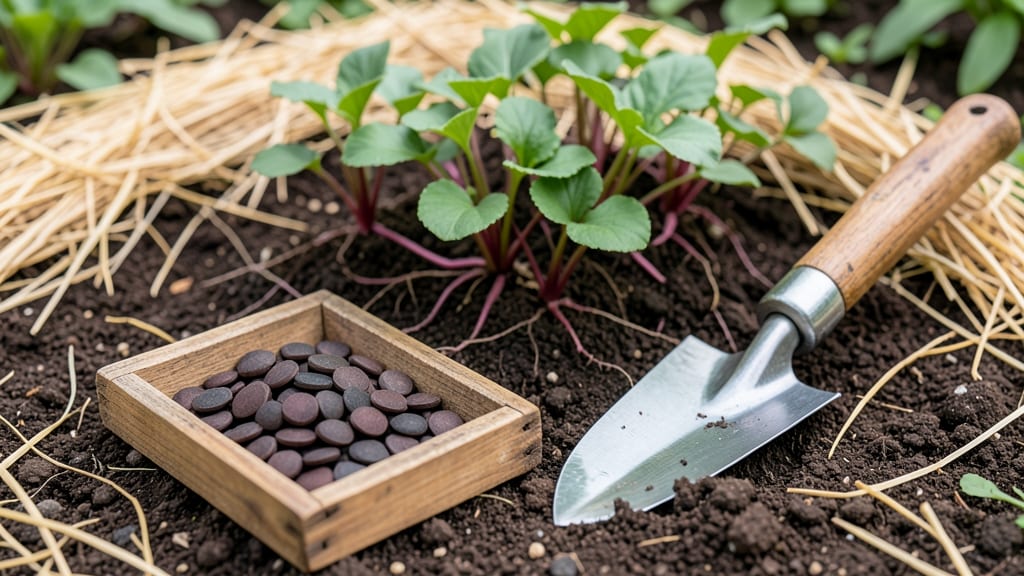
Planting beets in Central Texas might seem tricky with our scorching summers, but timing is everything to grow sweet, tender roots instead of bitter greens. The secret lies in starting seeds when temperatures dip below 85°F, giving your 🍠 beets the cool conditions they crave.
Most gardeners in zones 8a-9a swear by two planting windows: late summer for fall harvests and early spring for summer crops. September through October is your best bet for fall beets, while February-March sets you up for spring harvests just before the heat peaks.
Heat-resistant varieties like 'Detroit Dark Red' or 'Boltardy' can handle brief warm spells, but consistent moisture and afternoon shade are key to preventing bolting. Let me show you exactly how to time your plantings for maximum success in Texas' unpredictable climate.
With the right approach, you'll enjoy homegrown beets from November through June—no more store-bought disappointment. Ready to transform your garden into a beet-growing powerhouse? Let's get started.
Best planting windows for beets in Central Texas (with heat-resistant varieties)
Central Texas’s hot summers and mild winters create unique challenges for growing beets. The key to success? Planting during cooler months and choosing heat-tolerant varieties like 'Detroit Dark Red' or 'Boltardy'. These varieties resist bolting—the process that turns sweet roots bitter—even when temperatures dip into the 80s°F.
Timing is everything. Beets thrive in USDA Zones 8a-9a, where last frost typically hits mid-January and first frost arrives mid-December. This means your best windows are fall (September-October) and early spring (February-March). Let’s break it down by season.
| Season | Best Planting Months | Heat-Resistant Varieties | Harvest Window |
|---|---|---|---|
| Fall | September 15 – October 15 | 'Detroit Dark Red', 'Chioggia', 'Boltardy' | November – December |
| Early Spring | February 1 – March 15 | 'Golden Beet', 'Lutz Winter Keeper' | April – May |
| Late Summer (Risky) | August (with shade) | 'Boltardy' (only) | September (small harvest) |
🌱 Pro Tip: Always plant seeds ½ inch deep and 1 inch apart for optimal growth.
For fall plantings, aim to sow seeds 6-8 weeks before the first frost (mid-December). This gives roots enough time to mature before cold sets in.
In Central Texas, that means September 15 is your ideal start date. Use row covers or mulch to extend the season into October if needed.
Spring plantings should begin February 1 to avoid bolting as temperatures rise. Choose cool-season varieties like 'Lutz Winter Keeper', which handles 60-70°F days better than standard types. Harvest before April to prevent bitterness.
If you’re tempted to try summer plantings, proceed with caution. Beets planted in August will struggle unless you provide afternoon shade and consistent moisture. Even then, expect smaller yields and bolting risks. Stick to 'Boltardy' for any summer attempts.
Soil temperature matters just as much as air temperature. Beets grow best when soil stays between 50-75°F. Use a soil thermometer to monitor conditions. If soil heats above 80°F, seeds may fail to germinate or sprouts will bolt quickly.
Don’t forget to rotate crops annually. Beets are heavy feeders and can deplete soil nutrients. Plant them where legumes or brassicas grew the previous year to replenish nitrogen naturally. Add compost before planting to improve drainage and fertility.
Finally, succession planting every 2 weeks ensures a steady harvest. Sow a small batch every 14 days during your chosen window to enjoy fresh beets all season long. This method also reduces waste if pests or weather disrupts one planting.
With these timing strategies and heat-resistant varieties, you’ll avoid the bitter greens that plague so many Texas gardeners. Next, we’ll cover how to extend your beet season even further with shade and staggered plantings. 🌿
Best planting windows for beets in Central Texas (with heat-resistant varieties)
Central Texas’ hot summers and mild winters create unique challenges for beet growers. The key to success? Planting during cooler months when temperatures stay below 80°F.
Beets bolt—flower prematurely—when exposed to prolonged heat, turning sweet roots bitter. But with the right varieties and timing, you can enjoy fresh beets year-round.
Your best bets are fall and spring plantings. Fall offers ideal conditions: cooler soil and longer daylight for steady growth. Spring plantings, however, require heat-resistant varieties to survive early warmth. Let’s break down the exact windows and top varieties for your region.
🌱 Central Texas Beet Planting Guide
| Season | Planting Window | Heat-Resistant Varieties | Harvest Time |
|---|---|---|---|
| Fall | September 1 - October 15 | Detroit Dark Red, Chioggia | November - December |
| Spring | February 15 - March 15 | Boltardy, Golden | May - June |
| Winter (Cool) | November 1 - December 15 | Any variety (slow growth) | January - February |
✅ Pro Tip: Start seeds indoors 4-6 weeks before outdoor planting to give seedlings a head start.
For fall plantings, aim to sow seeds by mid-October at the latest. This ensures beets mature before first frost (Dec 15). Use Detroit Dark Red or Chioggia—both handle Central Texas’ cool nights and warm days well.
These varieties also store well, making them perfect for holiday harvests.
Spring plantings require heat-tolerant varieties like Boltardy or Golden. Plant by March 15 to avoid early heat stress. If temperatures rise above 85°F, provide afternoon shade with a 30% shade cloth. This trick extends your growing window by 2-3 weeks.
Winter plantings are possible but slower. Sow seeds in November for a January-February harvest. Use row covers during cold snaps to protect young plants. Mulch heavily with straw or leaves to insulate roots from freezing soil.
Always test your soil temperature before planting—ideal ranges are 50-70°F. Use a soil thermometer to avoid cold soil shock. With these timing strategies, you’ll enjoy sweet, tender beets from fall through spring.