
Plants
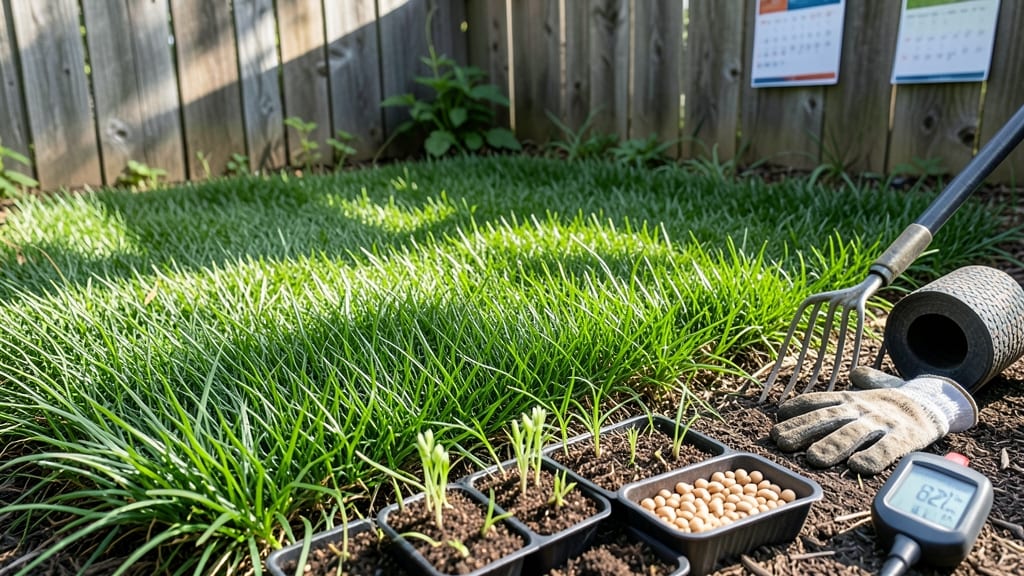
Planting Bermuda grass seed at the wrong time in Georgia can mean wasted money and a lawn that never takes off—here’s the exact window to maximize your chances of success.
With Georgia’s 7a-8b climate, timing is everything for 🌱 Bermuda Grass seed. Plant too early, and frost will kill your efforts; too late, and summer heat will stress young sprouts.
The key lies in waiting for soil temperatures to hit 65°F+ consistently, which typically lands in late April through early June or again in late July through early August.
Why does this matter? Because Bermuda grass thrives in heat, but it needs the right conditions to germinate.
I’ll break down the best planting windows for your specific region—whether you’re in North Georgia’s cooler microclimates or South Georgia’s balmier zones—so you can avoid common mistakes and get a lush lawn faster.
Ready to transform your yard? Let’s dive into the optimal planting schedule, soil prep tips, and pro tricks to ensure your Bermuda grass seed grows thick and stays green all summer long.
Best planting windows for Bermuda grass seed in Georgia (by region & soil temperature)
Georgia’s climate creates two prime windows for planting Bermuda grass seed: late spring and early summer. These periods align with soil temperatures above 75°F, which Bermuda grass needs to germinate successfully.
In North Georgia (USDA Zone 7a), aim for late April to early June, while South Georgia (Zone 8a-8b) can start as early as March if the ground warms quickly.
Bermuda grass is a warm-season grass, meaning it thrives in heat and struggles when temperatures dip below 60°F. Planting too early—before the last frost (mid-March in most areas)—risks seed rot or poor germination.
Conversely, waiting until August may leave your lawn vulnerable to summer heat stress before establishment.
Here’s the critical rule: Wait until soil temperatures consistently stay above 75°F for at least 5–7 days. Use a soil thermometer to check—this is your best indicator, not just air temperature.
In Atlanta and northern regions, this typically happens by mid-May, while Savannah and southern areas may reach it by early April.
Pro tip: Bermuda grass seeds are tiny (about 0.04 inches longmoisture retention. Georgia’s humid summers help, but you’ll still need to water deeply 2–3 times daily for the first 2–3 weeks to keep seeds from drying out.
| Region | USDA Zone | Ideal Planting Window | Soil Temp Threshold | Last Frost Date |
|---|---|---|---|---|
| North Georgia (Atlanta, Dalton) | 7a-7b | Late April–Early June | 75°F+ (consistent) | Mid-March |
| Central Georgia (Macon, Columbus) | 7b-8a | Early April–Late May | 75°F+ (consistent) | Early March |
| South Georgia (Savannah, Valdosta) | 8a-8b | March–Early April or Late July–Early August | 75°F+ (consistent) | Late February |
🌡️ Key: Soil temp >75°F = germination success
If you miss the spring window, don’t panic—Bermuda grass offers a second planting opportunity in late July to early August. This aligns with Georgia’s monsoon season, providing natural rainfall to support seedling growth.
However, avoid planting after August 15th, as seedlings may struggle to establish before fall frosts (typically late November).
For sod vs. seed, note that Bermuda grass sod can be installed 2–3 weeks earlier than seed because it’s already established. But if you’re seeding, stick to the soil temperature rule—it’s non-negotiable for 90%+ germination rates.
In my experience, May planting in Atlanta yields the thickest lawns by July.
One more critical factor: shade tolerance. Bermuda grass hates shade—it needs 6+ hours of direct sun daily. If your yard has trees or structures casting partial shade, consider shade-tolerant alternatives like Zoysia or St. Augustine.
For full sun areas, Bermuda’s aggressive spread will outcompete weeds once established.
Finally, check your local cooperative extension service (like UGA Extension) for microclimate adjustments. Urban areas like Atlanta can be 5–10°F warmer than rural spots, while coastal Georgia may experience earlier soil warming due to maritime influences.
Always verify with a soil thermometer—it’s the only way to be certain.
Best planting windows for Bermuda grass seed in Georgia (by region & soil temperature)
Georgia’s 7a-8b climate creates two ideal windows for planting Bermuda grass seed: spring and late summer. The key is waiting for soil temperatures to hit 65°F+ consistently—this ensures germination and strong root development.
In North Georgia, cooler microclimates may delay planting until late May, while South Georgia’s warmer zones can start as early as mid-April.
Timing is critical because Bermuda grass is a warm-season grass. Planting too early risks frost damage, while waiting too long can stress young seedlings during summer heat. I’ve broken down the optimal planting windows by region to help you avoid these pitfalls and maximize your lawn’s potential.
Here’s the comparison table for Georgia’s planting windows, including soil temperature thresholds and frost-free deadlines:
| Region | Soil Temp Threshold | Planting Window | Frost-Free Deadline |
|---|---|---|---|
| North Georgia (e.g., Atlanta, Dahlonega) | 65°F+ | Late April - Early June | Mid-May (safe) |
| Central Georgia (e.g., Macon, Columbus) | 65°F+ | Mid-April - Late May | Early May (safe) |
| South Georgia (e.g., Savannah, Valdosta) | 65°F+ | Late March - Early June | Late April (safe) |
| All Regions (Late Summer) | 70°F+ | Late July - Early August | N/A (No frost risk) |
For North Georgia, aim for late April to early June when soil temperatures stabilize above 65°F. Central Georgia can start slightly earlier, around mid-April, while South Georgia offers the earliest window, often as early as late March.
The late summer window (July-August) is ideal for overseeding or repairing patchy lawns, as the heat is already established.
Pro tip: Use a soil thermometer to confirm temperatures. Bermuda grass seed won’t germinate below 65°F, so don’t rush—waiting for the perfect conditions saves time and effort in the long run. Once planted, maintain consistent moisture and avoid heavy foot traffic until the grass is 2-3 inches tall.
If you’re in a transition zone (e.g., near the mountains or Piedmont), err on the side of caution and wait until after the last frost, which typically occurs in mid-March in South Georgia and mid-April in North Georgia.
Monitoring local weather forecasts will help you fine-tune your planting schedule for success.
Remember, Bermuda grass is aggressive once established, but it needs the right start. By aligning your planting with Georgia’s climate zones and soil temperatures, you’ll set your lawn up for thick, green growth all summer long. 🌱