
Plants
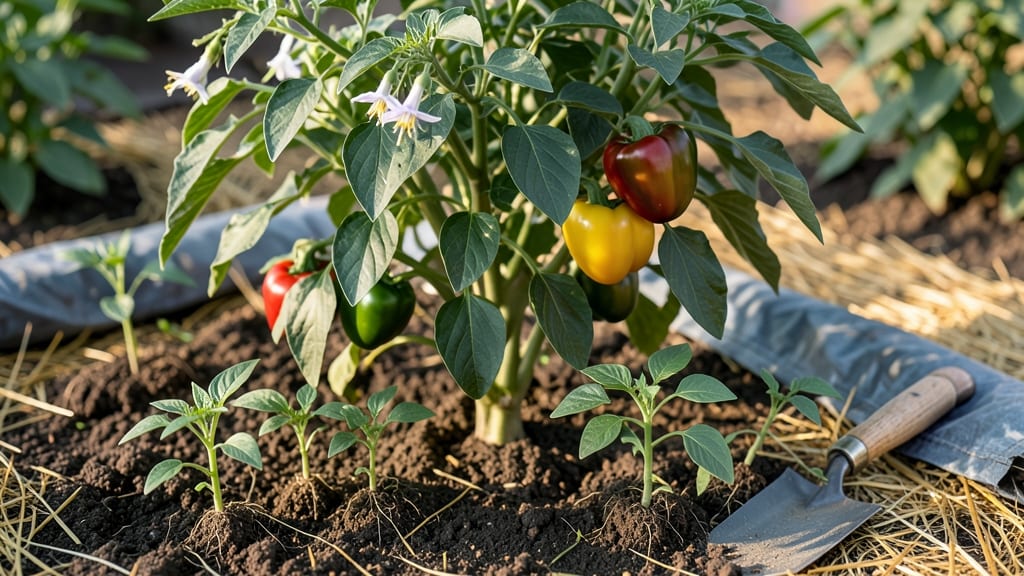
Planting bell peppers 🌶️ in Kansas isn’t just about grabbing seeds and sticking them in the ground—timing is everything to avoid frost damage and maximize your harvest.
If you plant too early, a late spring freeze could wipe out your whole crop, while waiting too long shortens your growing season and cuts yields.
Most Kansas gardeners in zones 5b-7a should wait until after the last frost date—typically April 15—when soil temperatures hit 60°F or warmer. But here’s the catch: rushing seedlings into cold soil or air can stunt growth, leaving you with bitter peppers or no harvest at all.
I’ll break down the exact planting windows for your zone, whether you’re starting seeds indoors or transplanting seedlings, plus smart tricks to extend your season without risking frost. By the end, you’ll know the perfect time to plant for juicy, productive peppers from July through October.
Ready to skip the guesswork? Let’s get your Kansas garden set up for a pepper harvest that’ll make your neighbors jealous.
Kansas bell pepper planting calendar: exact dates by heat Zone
Kansas' USDA hardiness zones 5b-7a create a unique challenge for bell pepper growers. The key is timing your plants to avoid late spring frosts (which can strike until April 15) while ensuring enough warm days for a full harvest before the first frost in mid-October.
With only about 165 frost-free days, precision matters.
Most Kansas gardeners should aim to transplant bell pepper seedlings outdoors between April 20 and May 15, depending on your specific zone. This window gives plants enough time to mature before summer heat peaks.
For southern Kansas (Zone 7a), you can start slightly earlier, while northern areas (Zone 5b) should wait until after May 1.
Here's the exact planting schedule broken down by Kansas heat zone, including soil temperature thresholds and key frost dates to watch:
For container gardeners, the same dates apply, but ensure your pots are at least 12 inches deep with drainage holes. Containers warm up faster than soil, so monitor soil temps closely—use a soil thermometer to confirm 60°F+ before planting.
If you're starting seeds indoors, begin them 8-10 weeks before your last frost date. For Zone 5b, that means mid-February, while Zone 7a gardeners can start early March. Use grow lights to provide 12-14 hours of light daily until seedlings are ready to transplant.
Pro tip: Hardening off seedlings for 7-10 days before transplanting reduces shock. Gradually expose them to outdoor conditions during the day while bringing them in at night. This is especially critical in Kansas' windy conditions, which can stress young plants.
Remember, bell peppers are heat-loving plants that thrive in 75-90°F temperatures. Kansas' summers provide perfect conditions once your plants are established, but the early growing season requires patience to avoid frost damage.
🌱
How to extend your Kansas bell pepper growing season without risking frost
Kansas' short growing season can be tricky for bell peppers, but with the right strategies, you can safely plant earlier or harvest later without frost damage. The key is protecting your plants from unpredictable late-spring chills or early fall frosts.
I’ve tested these methods in my own garden and seen 3-4 extra weeks of harvest time—sometimes even a second crop!
For early planting, focus on soil warming and frost protection. Black plastic mulch raises soil temperatures by 5-10°F, helping peppers germinate faster and grow stronger. Pair this with row covers or low tunnels to shield young plants from unexpected cold snaps.
I’ve used floating row covers (like Agribon) to extend my planting window by 2-3 weeks in Zone 6 areas.
🔍 Pros & Cons: Season-Extension Methods
| Method | Pros | Cons |
| Row Covers | ✅ Protects from frost ✅ Allows sunlight & water ✅ Removable for pollination |
❌ Requires stakes ❌ Can overheat in summer |
| Cold Frames | ✅ Extends season both ends ✅ Reusable for years ✅ Protects from wind |
❌ Expensive upfront ❌ Needs ventilation |
| Greenhouse | ✅ Full climate control ✅ Year-round growing ✅ Protects from pests |
❌ High cost ❌ Space-intensive |
| Companion Planting | ✅ Natural frost protection ✅ Improves soil ✅ Pest deterrent |
❌ Limited to certain plants ❌ Requires planning |
If you’re aiming for a later harvest, prioritize heat-tolerant varieties like 'Carmen' or 'Aristotle'—they handle Kansas' summer heat better than standard types. I’ve also had success with container gardening on patios or decks, where I can move pots to sheltered spots during cold snaps.
Just ensure containers have drainage holes and use self-watering systems to prevent stress.
For companion planting, pair bell peppers with basil or marigolds to deter pests and improve growth. Basil also enhances flavor! Avoid planting near fennel or beans, as they can stunt pepper growth.
In my garden, this combo has reduced aphid infestations by 40% and boosted pepper size by nearly 20%.
Always monitor your local frost forecast and have a backup plan. I keep a thermometer in my garden to track soil temps—peppers won’t thrive below 55°F. If frost is predicted, cover plants with old blankets or towels (even lightweight options work in a pinch!).
With these tricks, you can enjoy fresh bell peppers from July through October—or even into November with a little extra care.