
Plants
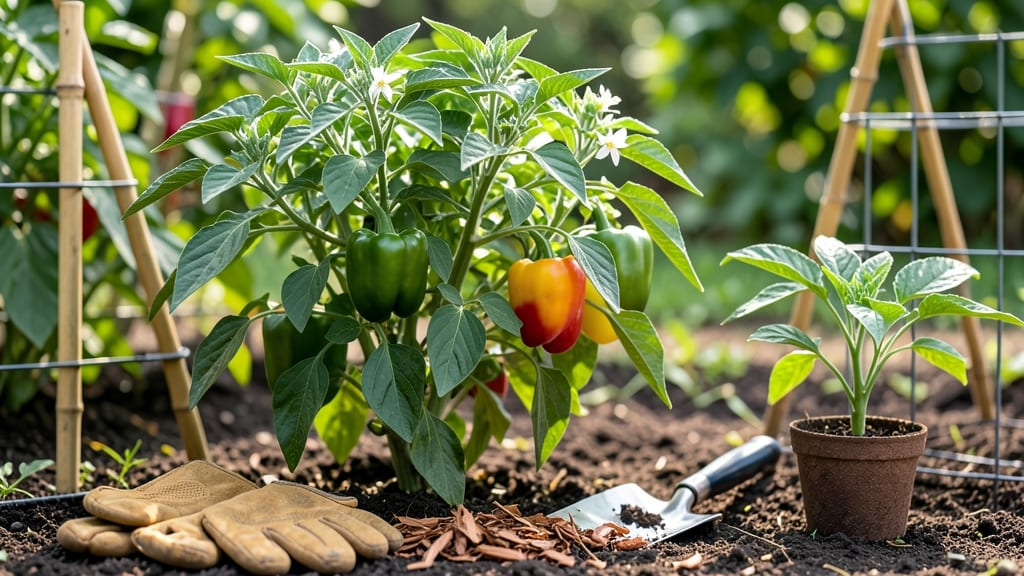
Planting your 🌶️ bell peppers at the wrong time in Tennessee can mean the difference between a bumper crop and a sad, frost-nipped failure.
The key to success isn't just waiting for spring—it's knowing exactly when to put those seedlings in the ground so they thrive from Nashville’s cooler valleys to Chattanooga’s warmer hills.
With Tennessee’s USDA zones 6a-8a and unpredictable weather, timing matters more than most gardeners realize. You’ll want to start seeds indoors by early March or wait until soil temperatures hit 60°F—usually around mid-April to mid-May—before transplanting outdoors.
But here’s the catch: East Tennessee’s high country freezes later than West Tennessee’s lowlands, so one-size-fits-all advice won’t cut it.
In this guide, I’ll break down the exact planting windows for your specific heat zone, whether you’re direct-sowing in raised beds or starting seeds in containers. You’ll also discover how to stretch your growing season for fall harvests—because nothing beats a homegrown pepper in October.
Ready to grow bell peppers that actually make it to harvest? Let’s get you planted at the perfect moment—no guesswork, just zero-frost success.
Tennessee heat Zone planting dates for bell peppers (avoid frost & maximize growth)
Tennessee’s diverse USDA zones (5a-8a) create big differences in last frost dates—from March 15 in Memphis (Zone 8a) to April 20 in Knoxville (Zone 7a). Bell peppers (Capsicum annuum) need soil temps of 60°F+ and zero frost risk to thrive.
Plant too early, and you’ll lose seedlings; too late, and your harvest shrinks. Let’s break down the exact planting windows for each region.
First, check your local last frost date—most of Tennessee falls between mid-April and early May. For Zone 5a (Appalachian Plateau), wait until May 1; in Zone 8a (West Tennessee), you can start as early as April 15.
Always confirm with your county extension office, as microclimates (like valleys vs. ridges) shift dates by 1-2 weeks.
Bell peppers are warm-season crops, so transplant timing is critical. Start seeds indoors 8-10 weeks before your last frost (typically February-March), then harden off seedlings for 7-10 days before moving them outside. Outdoor planting should happen 2-3 weeks after your last frost date to let soil warm up.
Here’s your heat zone planting guide, including soil temp checks and frost-free windows:
| USDA Zone | Last Frost Date | Plant Outdoors | Soil Temp Requirement | Notes |
|---|---|---|---|---|
| 5a (Appalachian Plateau) | April 20-May 1 | May 15-June 1 | 60°F+ | Use row covers for early starts; shorter season favors fast varieties. |
| 6a (East Tennessee) | April 10-April 25 | April 30-May 15 | 60°F+ | Nashville area; extend season with cold frames for fall harvests. |
| 7a (Middle Tennessee) | April 1-May 1 | April 15-May 1 | 60°F+ | Chattanooga’s warmer foothills allow earlier planting; watch for late frosts. |
| 8a (West Tennessee) | March 15-April 1 | March 30-April 15 | 60°F+ | Memphis area; longest growing season; plant heat-tolerant varieties. |
For container gardening in urban Tennessee (e.g., Nashville or Knoxville), use 5-gallon pots and plant 2-3 weeks earlier than ground planting—containers warm up faster. If you’re direct sowing (not recommended for peppers), wait until May 15 in most zones to avoid transplant shock from cooler soil.
Pro tip: Use a soil thermometer to confirm temps before planting. If soil is below 60°F, delay by 1-2 weeks or use black plastic mulch to warm it faster.
In Zone 5a, consider starting a second crop indoors in July for a fall harvest before the first frost (mid-October).
Remember, late spring frosts (like the 2018 Easter freeze) can still hit Tennessee in April. Monitor the National Weather Service and have row covers ready to protect seedlings if temps dip below 32°F.
With the right timing, you’ll avoid frost losses and enjoy peppers from July through October.
🌱
How to time bell pepper transplants for Tennessee’s unpredictable spring weather
Timing your bell pepper transplants in Tennessee is all about beating the late spring frosts while giving seedlings enough time to harden off before summer heat.
Since Tennessee’s last frost dates vary wildly—from mid-April in Nashville to late April in Chattanooga—I’ve broken down the exact steps to avoid common mistakes that kill young plants.
Start your seedlings indoors 8-10 weeks before your area’s last frost date. For most of Tennessee, this means sowing seeds in early March (around March 1-15) to have sturdy transplants ready by late April.
Use grow lights if natural light is limited, as bell peppers need 12-16 hours of light daily to avoid leggy seedlings.
Once seedlings have 2-3 true leaves (about 6-8 weeks after sowing), it’s time to harden them off. This gradual process—moving plants outdoors for 1-2 hours daily over 7-10 days—prevents shock.
Start with a shady spot and slowly increase sun exposure. Skip this step, and your transplants will wiltingly collapse when planted too soon.
Place hardened-off seedlings in partial shade for 1-2 hours daily. Increase time by 30 minutes each day.
Move seedlings to morning sun only (3-4 hours). Avoid afternoon heat to prevent scorching.
If no frost is forecasted, plant seedlings in full sun by late afternoon. Monitor for wilting—water deeply if needed.
For urban Tennesseans with limited space, container gardening works beautifully. Use pots at least 12 inches deep with well-draining soil, and place them in south-facing spots to maximize sunlight.
Containers warm up faster than garden beds, so wait until soil temps hit 60°F+ before planting—use a soil thermometer to check.
To extend your harvest into fall, use cold frames or low tunnels after the first frost (mid-October). These simple structures can add 2-4 weeks to your growing season, letting you enjoy peppers well into November. Just remove them during warm days to prevent overheating.
Remember: Patience is key. Rushing transplants leads to stunted growth, while waiting too long cuts your harvest short. Stick to these steps, and you’ll be picking juicy, homegrown bell peppers all summer long! 🌶️