
Plants
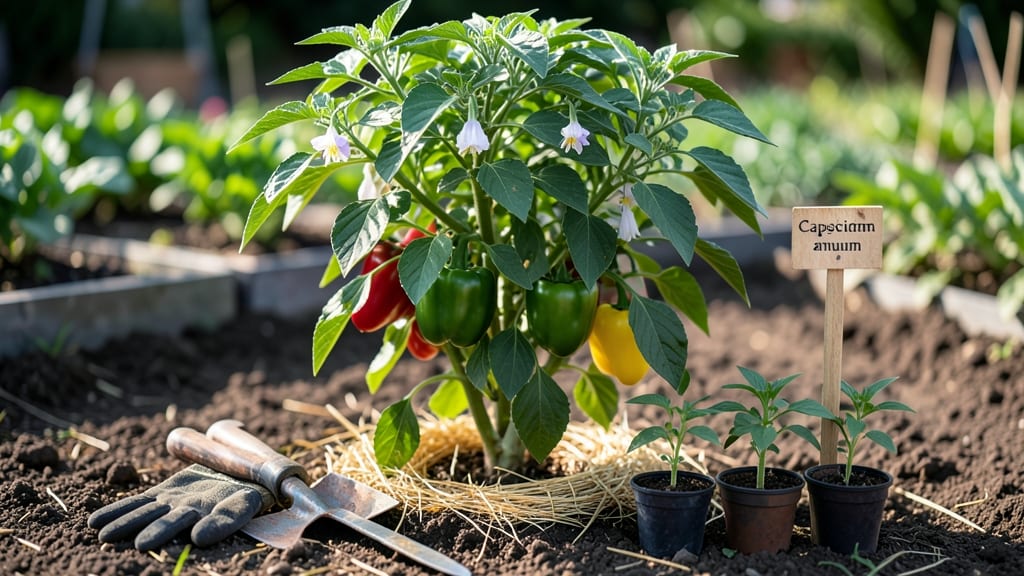
Planting bell peppers 🌶️ in North Carolina isn't just about sticking seeds in the dirt—it's about catching that narrow window between frost and scorching heat. If you miss the mark, you could end up with sad, wilted plants or a harvest that never comes.
The key is knowing exactly when to start seeds indoors or transplant seedlings so they thrive in your specific zone.
Most North Carolina gardeners have about 120 days of warm weather to work with, and those dates shift depending on whether you're in the cooler mountains or the warmer coastal plains.
For the best results, aim to transplant seedlings after your last frost—typically around April 15—but don’t wait too long, or the heat will stress your plants before they even produce.
In this guide, I’ll break down the exact planting windows for your region, whether you’re starting seeds indoors or going straight to the garden. You’ll also discover how to stretch your growing season with simple tricks that protect your peppers from late frosts or early chills.
Let’s get those 🌶️ growing strong!
Ready to avoid common mistakes and maximize your harvest? I’ll share the most critical timing tips, plus the best pepper varieties that actually thrive in NC’s climate. Your garden’s success starts with knowing when—and how—to plant.
North Carolina heat zones: best bell pepper planting dates by region
North Carolina’s diverse heat zones (7b-8a) create distinct planting windows for bell peppers. In Zone 7b, like the Piedmont region, your last frost typically hits March 15-30, while Zone 8a areas, such as the Coastal Plain, may see frost as late as April 15.
These differences mean your planting timeline should shift based on your location to avoid frost damage.
For spring planting, aim to transplant seedlings 2-3 weeks after your last frost date. In Zone 7b, this usually means mid-April, while Zone 8a gardeners can start as early as late March.
If you’re starting seeds indoors, begin 8-10 weeks before your last frost to ensure healthy transplants ready for the garden.
Soil temperature is just as critical as air temperature. Bell peppers thrive when soil reaches at least 60°F. Use a soil thermometer to confirm—cold soil stunts growth and delays fruiting.
In Zone 8a, soil may warm faster, allowing earlier planting, while Zone 7b areas might need to wait until late April or early May.
Here’s a quick breakdown of your planting deadlines by region to maximize your harvest:
Don’t overlook fall planting—it’s a game-changer for NC gardeners! Plant bell pepper seeds or seedlings in August to harvest into October or November, especially in Zone 8a.
In Zone 7b, aim for mid-August to avoid early frost. Use heat-tolerant varieties like ‘Carolina Wonder’ or ‘Jupiter’ for longer harvests.
For indoor starts, begin seeds 8-10 weeks before your last frost. Use grow lights to provide 12-16 hours of light daily until seedlings are ready for transplanting. Harden them off for 7-10 days before moving outdoors to reduce transplant shock.
Pro tip: Check your local NC State Extension office for micro-climate adjustments. Urban areas like Charlotte may have warmer microclimates than rural zones, allowing earlier planting. Always verify with a frost date map or garden journal from nearby growers.
Missed the spring window? No problem! Fall planting is your second chance. Start seeds indoors in July or transplant seedlings in August for a late-season harvest. Just be sure to choose fast-maturing varieties (60-70 days to harvest) to beat the first frost.
Bell peppers need warmth to thrive, so avoid planting too early—even if soil is workable. Cold soil (below 55°F) can cause root rot or stunted growth. Use black plastic mulch to warm soil faster and extend your season.
🌶️
North Carolina heat zones: best bell pepper planting dates by region
North Carolina’s diverse climate means your bell pepper planting window varies dramatically between the mountains, Piedmont, and coastal plains. In Zone 7b (western NC), aim for April 15–May 15 for transplants, while Zone 8a (eastern NC) can start as early as March 15.
The key is waiting until soil warms to 60°F+—cold soil stunts roots and delays fruiting.
For direct sowing, push your timeline to May 1–June 15 in all zones, but prioritize late May in cooler areas like Asheville. Seedlings need 70–90 days to mature, so calculate backward from your first frost date (typically November 15 in most of NC).
🌶️ Pro Tip: Check your local last frost date via the NC State Extension’s Frost/Freeze Forecast—it’s the golden rule for timing.
🌡️ NC Bell Pepper Planting Timeline by Region
| Region | USDA Zone | Last Frost | Transplant Window | Direct Sow Window |
|---|---|---|---|---|
| Mountains (e.g., Asheville) | 7b | April 15 | April 15–May 15 | May 15–June 1 |
| Piedmont (e.g., Raleigh) | 7b-8a | March 20–April 5 | March 20–May 10 | April 15–June 10 |
| Coastal Plains (e.g., Wilmington) | 8a | February 15–March 10 | February 20–April 15 | March 1–June 15 |
🌱 Note: Adjust for microclimates—valleys frost later than hillsides!
Don’t overlook fall planting in NC! For a second harvest, sow seeds or transplant August 1–September 1 in all zones. Peppers need 90–120 days to mature, so aim for varieties like ‘Carolina Wonder’ (heat-tolerant) or ‘Aristotle’ (disease-resistant). Coastal areas can push this to September 15 with frost cloth.
If you’re starting seeds indoors, begin 8–10 weeks before your last frost date. Use grow lights for 14–16 hours/day to prevent leggy seedlings. Harden off seedlings for 7–10 days before transplanting—this toughens them for NC’s fluctuating spring temps.
🌿 Variety Tip: Choose short-season varieties like ‘Early California Wonder’ (60 days) for mountain zones or ‘Jupiter’ (75 days) for coastal heat.