
Plants
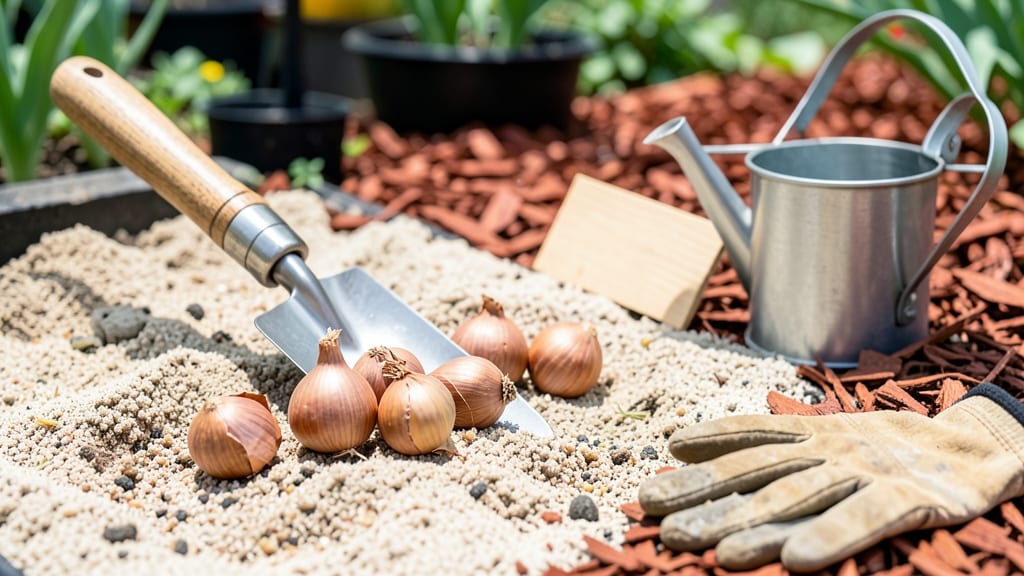
Planting tulip bulbs in Texas isn’t just about timing—it’s about outsmarting the heat and unpredictable freezes that can turn your spring blooms into a gamble.
With the right window, you can coax those 🌷 beauties to thrive in zones 8a-10b, where winter chill is scarce but summer heat is relentless.
Most gardeners assume tulips need a long cold snap, but Texas’ mild winters demand a different approach. The key lies in planting during the coolest fall months, when soil temperatures drop just enough to trigger root growth without waking the bulbs too early.
For North Texas (zones 8a-8b), aim for October-November, while Central and South Texas (zones 9a-10b) should wait until November-December.
Why does this matter? Because planting too early risks sprouting in warm soil, leaving tender shoots vulnerable to heat stress or even freezing before they mature. And let’s be honest—no one wants to watch their hard-earned bulbs bolt into premature growth, only to wither under Texas’ capricious weather.
In this guide, I’ll break down the exact months to plant by region, plus pro tips for soil prep, mulching, and variety selection that actually work in our brutal climate. Let’s make those tulips survive—and flourish—where they’re not supposed to.
Texas heat-Zone planting calendar: best months by region for tulip bulbs
Planting tulip bulbs in Texas requires precision timing to survive the state's extreme heat and unpredictable freezes. Unlike cooler climates, Texas gardeners must plant bulbs 6-8 weeks before the first frost date—but with a twist: soil temperatures must also be below 60°F (15°C) to prevent premature sprouting.
Miss this window, and your bulbs may rot in summer heat or freeze before blooming.
Texas spans USDA Zones 7b-10b, creating three distinct planting regions. North Texas (Zones 7b-8a) has earlier frost dates, while South Texas (Zones 9a-10b) faces minimal frost risk.
Central Texas (Zone 8b-9a) sits in the middle, requiring a balanced approach. Let’s break down the exact months for each zone to maximize your tulips’ survival and spring blooms.
🌱 Key Rule: Plant tulip bulbs when daytime temps drop below 75°F (24°C) and soil temps stay under 60°F (15°C). Use a soil thermometer to confirm—this is critical in Texas’ heat.
| Texas Region | USDA Zone | First Frost Date | Ideal Planting Window | Soil Temp Requirement | Bloom Time |
|---|---|---|---|---|---|
| North Texas | 7b-8a | December 1 - January 15 | October 15 - November 15 | Below 60°F (15°C) | April |
| Central Texas | 8b-9a | November 15 - December 15 | November 1 - December 10 | Below 65°F (18°C) | April - Early May |
| South Texas | 9b-10b | Rare (Dec 15-Jan 5) | December 1 - January 15 | Below 70°F (21°C) | February - March |
🌷 Pro Tip: Use black plastic mulch in South Texas to warm soil faster and extend the planting window.
In North Texas (Zones 7b-8a), aim for mid-October to mid-November. This gives bulbs time to root before freezes hit in December.
For Central Texas (Zones 8b-9a), shift to November 1–December 10—later than northern regions but still before soil warms in January. South Texas (Zones 9b-10b) is the most flexible: plant December 1–January 15 when temps dip below 70°F (21°C).
Why these dates? Tulip bulbs need 12-16 weeks of cold (below 50°F/10°C) to bloom. Texas’ mild winters often skip this step, so chill bulbs for 8-10 weeks in your fridge before planting if you’re in Zones 9b-10b. Store them in a paper bag with pebbles to mimic soil moisture.
Missed the window? Don’t panic. You can still plant in early December in Central/South Texas, but expect smaller blooms or delayed flowering. For North Texas, December planting risks freeze damage—stick to the October-November window for best results.
After planting, mulch heavily with 4-6 inches of straw or pine needles to insulate bulbs from Texas’ temperature swings. In Zone 10b, where freezes are rare, use white mulch to reflect heat and prevent premature sprouting in winter.
🌿 Remember: Tulips in Texas need full sun (6+ hours daily). Plant in elevated beds to improve drainage—Texas’ heavy clay soils can suffocate bulbs. Add compost to planting holes for extra nutrients.
Critical pre-planting steps to survive Texas heat and freeze cycles
Texas’ unpredictable climate—sweltering summers and sudden freezes—can turn tulip planting into a high-stakes gamble. But with the right prep, you can protect your bulbs from premature sprouting and winter damage. Start by chilling bulbs for 8-12 weeks in the fridge (40-50°F) to mimic winter dormancy.
Next, test your soil for moisture retention. Tulips hate soggy conditions, which rot bulbs in Texas’ winter rains. Amend heavy clay with compost or sand to improve drainage. Aim for soil that’s damp but not waterlogged—like a wrung-out sponge.
Shade cloth is your secret weapon against Texas heat. After planting, cover bulbs with 30-50% shade fabric during summer to prevent premature sprouting. Remove it in late fall once temps drop below 80°F.
Planting too early? Your tulips may sprout in summer and burn in the heat. Late plantings risk freeze damage before roots establish. Timing is everything—aim for 6-8 weeks before first frost.
Mulch with 4-6 inches of straw or pine straw after planting to insulate bulbs from temperature swings. Avoid thick mulch layers—1 inch max—to prevent rot. In Zone 9a+, consider container planting for extra control over soil temps.
Finally, water deeply but infrequently. After planting, give bulbs a deep soak (1 inch of water), then reduce watering until fall rains return. Overwatering in winter leads to bulb rot, while underwatering stresses roots.
With these steps, your tulips will survive Texas’ extremes and reward you with bold spring blooms. The key? Patience and precision—just like a Texas gardener’s love affair with tulips. 🌱🌡️