
Plants
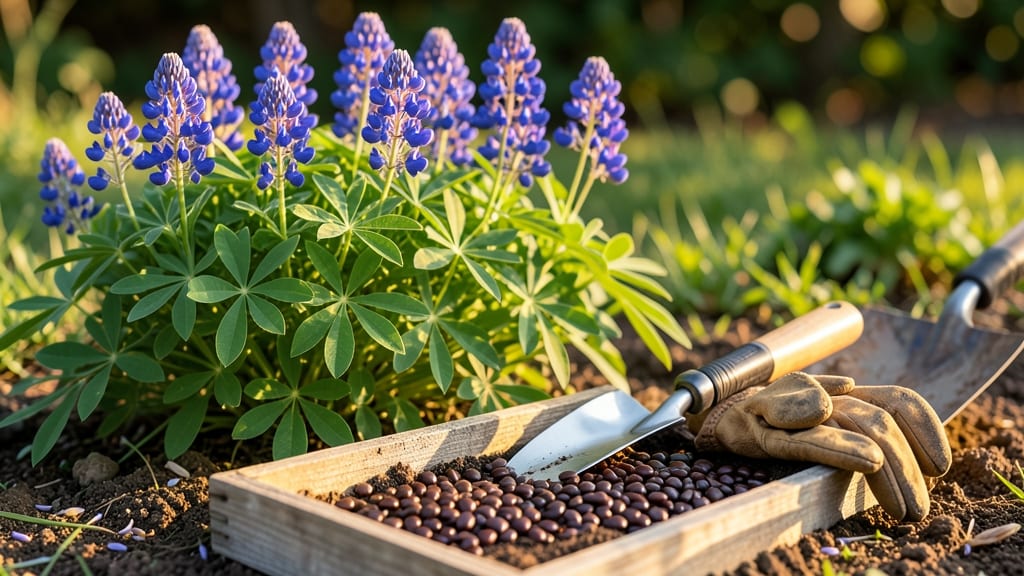
If you’ve ever dreamed of your Central Texas landscape bursting with vibrant bluebonnet blooms 🌸, timing your seed planting could make or break your success.
Plant too early, and frost will wipe out your tender seedlings; too late, and you’ll miss the narrow window when conditions are just right for germination. The secret to those iconic blue carpets lies in understanding exactly when to sow seeds for springtime magic.
For Central Texas gardeners in USDA Zone 8a, the ideal planting window opens in late September and stretches through November—just before the first frost typically hits around mid-December. This 4-6 week window gives seeds time to establish roots while avoiding summer’s scorching heat or winter’s chilling temperatures.
But here’s the catch: soil temperatures and rainfall play a bigger role than you might think.
Why does this matter? Because bluebonnets are finicky about their environment. They need well-drained soil and consistent moisture after planting, but they’ll bolt if stressed by heat or drought.
I’ll walk you through the exact steps to prepare your soil, choose the right seed varieties, and time your planting for maximum blooms next spring—no guesswork required.
Ready to transform your yard into a bluebonnet paradise? Let’s dive into the science-backed schedule that’ll have your seeds sprouting strong and your landscape glowing with color by March. The best time to plant is now—before the window closes for good.
Optimal bluebonnet planting weeks before frost in Central Texas (with exact dates)
Bluebonnets (Lupinus texensis) thrive in Central Texas when planted during the 6-8 weeks before the first frost. For most areas like Austin, Waco, and San Antonio, this means late September through November.
The key is sowing seeds when soil temperatures drop below 90°F but before consistent freezing arrives—typically mid-December.
Timing matters because bluebonnet seeds need cool soil and shorter daylight to break dormancy. Planting too early (August) risks premature germination during summer heat, while planting too late (December) may leave seeds vulnerable to winter frost before establishing roots.
Aim for October 1st as your target date for peak success.
Central Texas experiences USDA Zone 8a winters, with average first frost dates between December 15-20. Count backward 6-8 weeks to determine your ideal planting window. For example, if frost hits December 15, plant seeds by October 25 to ensure they establish before cold sets in.
Here’s how regional variations affect timing:
- Austin: Plant September 25–November 10 (frost typically arrives December 10-15)
- Waco: Plant October 1–November 15 (earlier frost risk)
- San Antonio: Plant September 20–November 5 (warmer microclimates allow later sowing)
| Stage | Action | Central TX Dates |
|---|---|---|
| Soil Prep | Loosen soil, remove weeds | August–September |
| Seed Sowing | Direct seeds 1/4" deep | Late Sept–Nov |
| Germination | Sprouts appear in 10–21 days | Oct–Dec |
| Winter Dormancy | Roots harden; no growth | December–February |
| Spring Blooms | Flowers emerge March–May | March–May |
Spring planting is possible but riskier. If you miss fall, sow seeds in early March for summer blooms, but expect 50% fewer flowers compared to fall-planted seeds. Spring seeds also compete with summer weeds and may struggle with heat stress before establishing.
Use a frost date calculator (like the Old Farmer’s Almanac) to refine your timing. For example, if your area has a December 10 frost date, plant by October 20. Pro tip: Scratch-test seeds—place a few in moist paper towels to check germination readiness before planting.
Bluebonnets are perennials, but they often self-seed prolifically. Once established, they’ll return year after year with minimal care. However, first-year blooms are the most vibrant, so precise fall planting ensures a showstopping spring display.
For urban gardens or containers, plant seeds 4–6 weeks earlier than ground planting to account for slower soil warming. Use well-draining mixes with 50% sand to mimic Central Texas native soil conditions.
🌿
How to prepare soil and plant bluebonnet seeds for maximum germination
Bluebonnets thrive in Central Texas’s well-draining, slightly alkaline soil, but achieving that perfect seedbed takes prep. Start by clearing the area of invasive grasses and weeds, which compete aggressively for nutrients. I use a broadfork to loosen soil 4-6 inches deep without disturbing the natural soil structure too much.
Test your soil’s pH—bluebonnets prefer 6.0 to 8.0. If your soil is too acidic, mix in crushed limestone (about 1 pound per 100 sq ft) 2-3 weeks before planting. My soil in Austin’s limestone-rich areas rarely needs adjustment, but Waco’s clay-heavy soils often do.
Don’t plant bluebonnets in heavy clay without amending!
Compacted soil smothers seeds and prevents root growth. Mix in compost or coarse sand to improve drainage. Overwatering here is just as deadly as underwatering.
Scatter seeds ¼ inch deep in rows 12-18 inches apart. I use a seed spreader for large areas and hand-sow in small patches. Lightly rake the soil to cover seeds—never bury them deeper than ½ inch, or they won’t germinate.
Bluebonnets need sunlight to trigger germination, so avoid thick mulch layers.
Water gently but thoroughly after planting to settle soil around seeds. Use a fine-mist spray nozzle to avoid displacing seeds. Keep the soil evenly moist (not soggy) until germination, which typically takes 10-21 days in Central Texas’s fall temperatures.
I set up a drip irrigation line on low settings to automate this step.
Once sprouts appear, reduce watering to once every 10-14 days. Overwatering at this stage causes rot or fungal diseases, which are common in Central Texas’s humid springs. Thin seedlings to 6-8 inches apart when they’re 2-3 inches tall—this prevents overcrowding and encourages stronger stems.
Mulch lightly with straw or pine straw (not wood chips) to retain moisture and suppress weeds. I apply a ½-inch layer after thinning, keeping it away from seedling bases to prevent rot. This mulch also protects young plants from late-winter freezes, which can be brutal in Zone 8a.