
Plants
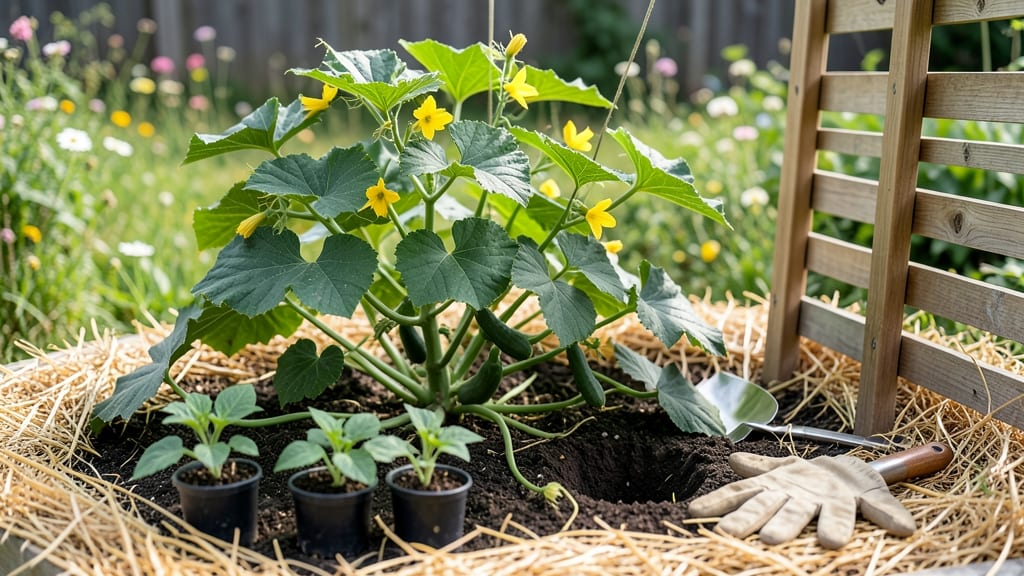
Planting cucumbers in Central Texas at the wrong time means watching your hard work wilt before it even begins—especially when summer heat can turn tender vines into sad, shriveled husks.
The key isn't just avoiding frost (though that matters too), but timing your 🥒 crop to thrive in 95°F+ temperatures without burning out.
I've learned the hard way that spring plantings in March or April often hit a wall by June, while late-summer starts can stretch harvests into fall. The sweet spot?
Two planting windows: mid-March to early April (after last frost) for early summer harvests, or late August for a fall bounty before cold sets in.
But here's the game-changer: soil prep and heat-resistant varieties make all the difference. We'll cover the exact steps to prep your soil for Texas's alkaline conditions and which cucumber types actually beg for the heat—like 'Straight Eight' or 'Lemon Cucumber'—so you're not left with bitter, seedy disappointments.
Ready to grow cucumbers that outlast the Texas sun? Let's dive into the two-season strategy that'll keep your garden productive from May through October—no wilting in sight.
Best planting windows for cucumbers in Central Texas heat zones
Central Texas gardeners face a unique challenge: scorching summers and unpredictable spring frosts. Cucumbers thrive in warm soil but bolt in 95°F+ heat, so timing your plantings is critical.
The ideal window spans mid-March to early April for spring harvests and late August to September for fall crops—just before the first frost risk in USDA Zones 8a-8b.
In cities like Austin, San Antonio, and Waco, last frost dates average March 15, but soil temperatures must reach at least 60°F before planting. Use a soil thermometer to confirm—cool soil delays germination.
For fall harvests, aim for late summer (after July’s peak heat) to avoid powdery mildew and cucumber beetles, which flourish in Texas humidity.
Here’s how to align your planting with Central Texas’s microclimates:
- Spring plantings (March–April): Best in North Texas (Waco) where nights stay cooler.
- Summer plantings (June–July): Risky but works with shade cloth in San Antonio’s 100°F+ spells.
- Fall plantings (August–September): Ideal for Austin’s milder late summers.
| Planting Window | Soil Temp Requirement | Heat Risk | Best For |
|---|---|---|---|
| Mid-March to Early April | 60°F+ | Low (spring warmth) | Spring harvest (May–July) |
| Late August to Early September | 65°F+ | Moderate (fall cooling) | Fall harvest (Sept–Oct) |
| June (with shade) | 70°F+ | High (100°F+ risk) | Urgent harvest (July–Aug) |
🌡️ Pro Tip: Use black plastic mulch to warm soil 5–10°F faster in spring.
For spring plantings, start seeds indoors 3–4 weeks before last frost (around February 15) to give seedlings a head start. Transplant outdoors after April 15 once nights stay above 50°F.
In San Antonio’s heat, opt for shade cloth (30–50%) if planting in June to protect young vines from sun scorch.
Fall plantings are my favorite—cooler temps mean fewer pests and sweeter cucumbers. Sow seeds directly in the garden from August 15–September 1 for a harvest before November’s first frost. Choose disease-resistant varieties like 'Straight Eight' to combat downy mildew, common in Texas’s damp autumns.
Avoid planting in July–early August unless you’re prepared for intensive shade and daily watering. The combination of heat and humidity creates perfect conditions for powdery mildew and cucumber beetles, which can devastate crops. If you must plant then, use row covers or drip irrigation to keep foliage dry.
Local frost data shows Austin’s average first frost is November 15, but Waco’s can arrive as early as November 1. Adjust your fall planting timeline 1–2 weeks earlier if you’re in North Texas to maximize harvest time. Always check your local CoCoRaHS station for real-time frost alerts—Texas’s weather is unpredictable!
Key takeaway: Central Texas cucumbers succeed with two planting windows—spring (cool soil) and fall (mild heat). Skip summer unless you’re equipped for shade and irrigation. With the right timing, you’ll enjoy crisp, homegrown cucumbers from May through October!
🌱
Soil prep and mulching secrets for Texas cucumber success
Central Texas soils can be tricky for cucumbers—often alkaline and compacted, they need extra prep to support healthy vines. Start by testing your soil’s pH level; cucumbers thrive in slightly acidic soil (6.0-6.8).
If your soil tests higher, amend it with sulfur or peat moss to lower the pH gradually. My go-to method? Mix in 2-3 inches of compost or well-rotted manure before planting to boost organic matter and drainage.
Don’t skip the soil warming trick—cucumbers love heat, but cold soil slows germination. Lay down black plastic mulch 2-3 weeks before planting to raise soil temperatures to at least 60°F.
This works wonders in March-April plantings when nights are still chilly. Pro tip: Remove the mulch after planting to prevent overheating.
Once planted, mulching is non-negotiable in Central Texas’s brutal summers. I swear by straw or shredded leaves to retain moisture and keep roots cool. Apply a 3-4 inch layer around plants, ensuring it doesn’t touch the stems to prevent rot.
For extra heat protection, try reflective mulch or shade cloth during 100°F+ spells—your plants will thank you with fewer bitter cucumbers and more sweet ones.
Watering goes hand-in-hand with mulching. Aim for 1-2 inches of water weekly, delivered deep and early in the morning. Shallow watering encourages weak roots, while deep soaking (every 2-3 days in summer) builds drought resistance.
Use a soaker hose to avoid wetting leaves, which reduces powdery mildew risk—a common foe in our humid summers.
Finally, avoid working wet soil. Compacted soil after rain can suffocate roots. If your garden gets heavy rainfall, let the soil dry slightly before tending to plants. A quick fork aeration in spring can also improve drainage for future seasons.
With these prep steps, your cucumbers will grow stronger, faster, and more productive than ever before.
Ready to dig in? Grab your gloves—your homegrown cucumbers are waiting for you! 🌱💧