
Plants
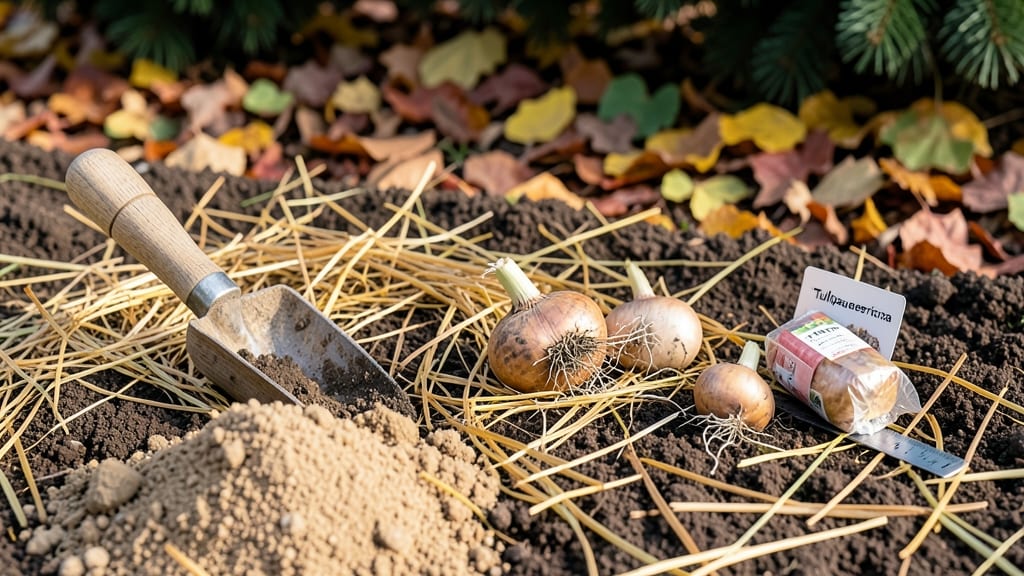
Planting tulip bulbs in Michigan at the wrong time can mean the difference between a vibrant spring display and a sad, wilted 🌷. The key isn’t just waiting for fall—it’s matching the 6-8 weeks before your first hard frost, which in Zone 5B-6A typically lands between mid-October and November.
Why does timing matter so much? Tulips need a period of cold dormancy to bloom their best, and Michigan’s unpredictable freeze-thaw cycles make this tricky.
Plant too early, and your bulbs might rot; too late, and they won’t get enough chill hours to push through the snow for those iconic spring blooms.
I’ll walk you through exactly how to sync your planting with Michigan’s climate—including soil prep, depth, and even which varieties handle our winters best. No more guessing whether your tulips will survive the freeze or disappoint you next spring.
Let’s get those bulbs in the ground the right way, so you can enjoy a garden bursting with color by April. Ready to make this your best tulip season yet?
Michigan’s ideal tulip planting window: chill-hours breakdown for zone 5B-6A
Michigan’s Zone 5B-6A climate demands precision when planting tulip bulbs. The key is understanding chill-hours—tulips need 12-16 weeks of cold temperatures before spring blooming. Plant too early, and bulbs may rot; too late, and they won’t establish roots before winter.
For Michigan, this typically means October to mid-November, but regional differences matter.
Southern Michigan (like Detroit) often has earlier frost dates (mid-October) compared to the Upper Peninsula (late October). Use your local last frost date as your guide—aim to plant 6 weeks before the ground freezes.
For example, if frost hits November 15th, plant by October 20th. This timing ensures bulbs root before winter dormancy.
Tulips thrive in Michigan’s climate because they naturally require cold stratification. The chill of winter breaks dormancy, so planting in fall lets nature do the work. Early bloomers (like Fosteriana) can handle slightly later planting, while late-season varieties (Darwin Hybrids) need the full chill period.
Adjust your schedule based on your tulip types for staggered blooms from April to May.
Here’s how Michigan’s regions compare for planting windows:
| Region | Ideal Planting Window | Last Frost Date | Chill-Hours Notes |
|---|---|---|---|
| Southern MI (Detroit, Ann Arbor) | October 1–15 | Mid-November | 14–16 weeks of chill |
| Central MI (Lansing, Grand Rapids) | October 15–31 | Late November | 12–14 weeks of chill |
| Upper Peninsula (Marquette, Houghton) | Late October–November 10 | Early December | 16+ weeks of chill |
Check your local USDA Plant Hardiness Zone for precise timing. Michigan’s Zone 5B-6A means most tulips will survive winters, but early spring thaws can cause bulbs to sprout too soon.
Planting in well-draining soil with compost mixed in prevents rot, even if temperatures fluctuate. Avoid planting in waterlogged areas, as tulips hate soggy conditions.
For reliable blooms, focus on Darwin Hybrid tulips—they’re the toughest for Michigan’s climate. These varieties handle freeze-thaw cycles better than fragile species tulips. If you’re unsure about timing, err on the earlier side (early October) rather than late.
Bulbs planted too late may not root deeply enough before winter.
Pro tip: Use a soil thermometer to check if the ground has cooled to 50°F (10°C). This is the ideal temperature for planting. In Michigan, this usually happens by mid-October, but watch for unseasonably warm spells that can delay planting.
If the ground stays warm, wait a few weeks to avoid rot.
Once planted, mulch with straw or leaves (3–4 inches) to insulate bulbs from freeze-thaw cycles. This protects them from heaving (when soil expands and contracts, pushing bulbs up). Mulch also keeps soil temperatures stable, which is critical for root development before winter sets in.
Remember, Michigan’s spring blooms depend on fall planting. If you miss the window, wait until early spring (March) to plant, but expect smaller, later blooms. For the best results, mark your calendar for October—this is your golden window for tulip success in the Great Lakes state. 🌷
Michigan’s ideal tulip planting window: chill-hours breakdown for zone 5B-6A
Michigan’s Zone 5B-6A climate demands precision when planting tulip bulbs. The 6-8 week rule before your first hard frost (typically mid-October to November) ensures bulbs get the chill hours they need to bloom.
For southern Michigan (like Detroit), aim for late October, while northern areas (Upper Peninsula) should plant by early October.
Why? Tulips need 12-16 weeks of cold dormancy to trigger flowering. Plant too late, and they won’t bloom; too early, and they may rot in wet soil.
Michigan’s freeze-thaw cycles add complexity—bulbs planted in September might heave out of the ground during winter, while those planted in December risk insufficient chilling.
Here’s how to calculate your perfect window: Subtract 6 weeks from your average first frost date (check your local USDA frost map). For example, if frost hits November 15, plant by October 1. Use this table to align your planting with Michigan’s regional variations.
| Region | Ideal Planting Window | Chill-Hour Notes |
|---|---|---|
| Southern MI (Detroit, Ann Arbor) | Late October | 14-16 weeks chill |
| Central MI (Lansing, Grand Rapids) | Early to mid-October | 12-14 weeks chill |
| Northern MI (Upper Peninsula) | Early October | 10-12 weeks chill |
Pro tip: Plant early-season tulips (like Fosteriana) slightly earlier for earlier blooms, while Darwin Hybrids can handle later planting. Always use well-draining soil to prevent rot during Michigan’s wet falls. Adjust for unpredictable weather—if your soil stays warm, delay planting until temperatures drop below 60°F.
For reliable blooms, aim to have bulbs in the ground by November 1 in most of Michigan. This ensures they’ll push through snow for April-May blooms, just as Michigan’s landscapes wake up from winter. Don’t wait until the ground freezes—bulbs won’t establish roots in frozen soil.
Next, we’ll cover the step-by-step planting process, including soil prep, depth, and mulching tips to protect your tulips through Michigan’s freeze-thaw cycles. Let’s get those bulbs planted right!