
Plants
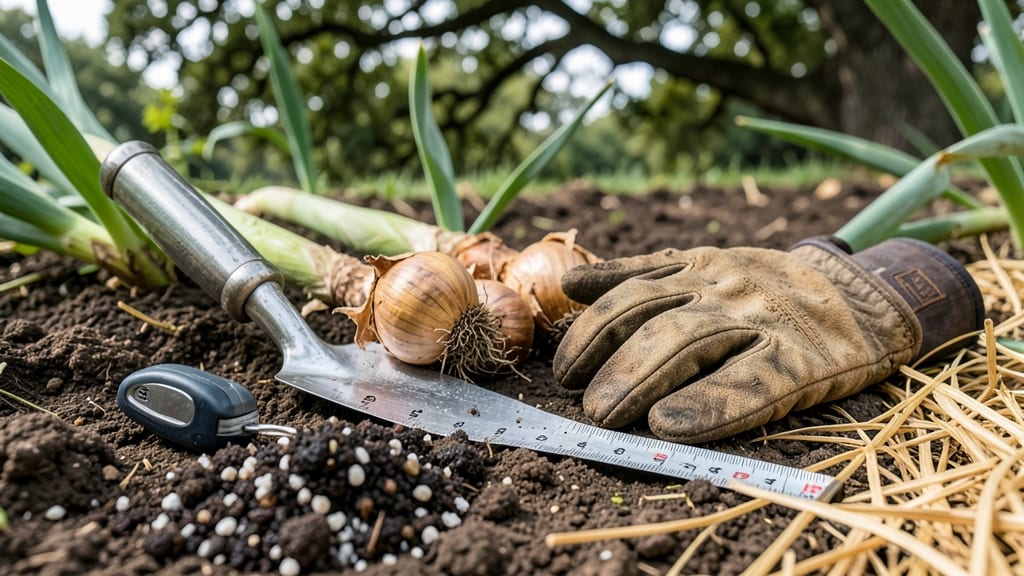
Planting gladiolus bulbs in Oklahoma isn’t just about timing—it’s about catching that sweet spot between frost and scorching summer heat. If you wait too long, your 🌸 gladiolus might bolt before they even bloom, while planting too early risks rot from lingering cold.
The key is knowing exactly when to put those bulbs in the ground for vibrant, long-lasting flowers that thrive in Oklahoma’s Zone 7a/7b climate.
Most gardeners in Oklahoma aim for late March to early April, once the soil warms up and the danger of frost has passed. But with Oklahoma’s unpredictable weather, even a week can make a difference in whether your gladiolus grow into towering 4-5 ft beauties or struggle to establish roots.
I’ll break down the exact window—plus how to adjust for your specific microclimate—so you can avoid common mistakes and get the most out of your garden.
What you’ll learn here isn’t just about when to plant—it’s about setting your gladiolus up for success from day one. We’ll cover soil prep, variety selection for Oklahoma’s heat, and even how to extend the blooming season with simple tricks.
Whether you’re a first-time gardener or a veteran looking to refine your timing, these insights will help you grow gladiolus that steal the show from July through September.
Ready to transform your garden into a parade of 🌸 gladiolus color? Let’s dive into the exact steps to plant them at the perfect moment—so you can enjoy those dramatic spikes of blooms all summer long without the guesswork.
Oklahoma gladiolus planting calendar: exact weeks before first frost
Timing your gladiolus bulbs in Oklahoma depends on last frost dates and soil warmth. Since Oklahoma spans Zone 7a/7b, aim for 4-6 weeks before your average last frost—typically mid-March to early April.
Planting too early risks rot from lingering cold, while late planting delays blooms until summer’s peak heat. Oklahoma’s 180 frost-free days give you plenty of time for vibrant summer displays.
For Zone 7a (northern OK), target April 1-15 to avoid late frosts. In Zone 7b (southern OK), you can start March 15-30 once soil reaches 60°F (15°C).
Use a soil thermometer to confirm—gladiolus bulbs need warmth to sprout. My rule? Wait until daytime temps consistently stay above 55°F (13°C).
Gladiolus bulbs thrive with 6-8 hours of sunlight daily, so choose a south-facing garden bed with well-draining soil. Amend heavy clay with compost or sand to prevent waterlogged roots. Oklahoma’s summer heat means morning watering is key—water deeply 1-2 inches per week to encourage strong stems.
Here’s your Oklahoma gladiolus planting timeline, broken down by zone and variety type:
| Zone | Last Frost Date | Ideal Planting Window | Soil Temp Requirement | Bloom Time |
|---|---|---|---|---|
| 7a (North OK) | March 20-31 | April 1-15 | 60°F (15°C) | July-August |
| 7b (South OK) | March 10-20 | March 15-April 1 | 55°F (13°C) | June-July |
| Both Zones | N/A | Latest by May 1 (for late blooms) | 65°F (18°C) | August-September |
For early blooms, plant mid-April in Zone 7a or late March in Zone 7b. These bulbs need 120-150 days to flower, so timing ensures you enjoy blooms before Oklahoma’s 90°F+ heat stresses them. Pro tip: Use row covers if planting early to protect from late frosts.
If you miss the ideal window, don’t panic! Gladiolus tolerate late spring plantings—just expect shorter stems and fewer blooms. For container gardening, plant 2 weeks later than in-ground to account for slower soil warming. My potted gladiolus in Oklahoma always bloom a week later than in-ground plants.
To extend your blooming season, stagger plantings every 2-3 weeks. Start with early varieties (like ‘Picasso’) in March, then add mid-season (e.g., ‘White Friendship’) in April, and finish with late bloomers (e.g., ‘Green Star’) in May. This creates a non-stop summer display from June through September.
Watch for soil cues: Press your finger 2 inches deep—if it’s dry, it’s time to water. Oklahoma’s clay-heavy soils can bake hard, so mulch with 2-3 inches of straw to retain moisture.
Avoid overwatering; gladiolus hate soggy roots. My gladiolus patch thrives with drip irrigation on a timer for consistent moisture.
Finally, mark your calendar for November 15, Oklahoma’s average first frost. After blooms fade, cut back foliage to 2 inches and let bulbs harden in the ground.
In Zone 7a, dig and store bulbs if temps drop below 20°F (-7°C). In Zone 7b, they often survive winter with mulch protection.
How to adjust planting time for Oklahoma’s microclimates
Oklahoma’s varied landscapes—from urban heat islands to rural highlands—create microclimates that can shift your gladiolus planting window by weeks. In cities like Oklahoma City, concrete absorbs heat, warming soil faster than rural areas, while higher elevations (like the Ozark Mountains) stay cooler longer.
These differences mean your neighbor’s perfect timing might not work for your garden.
Start by observing your local patterns: Check when nearby gardens plant spring bulbs or when dandelions bloom aggressively—both signal soil warmth. Urban areas may be ready 2-3 weeks earlier than rural spots. Use a soil thermometer to confirm: Gladiolus bulbs thrive when soil hits 60°F (15°C) consistently.
For urban gardeners, plant 2-3 weeks earlier than the general guideline (late February to early March) to avoid summer heat stress. In rural or elevated areas, wait until mid-April when frost risk truly passes.
Even a 100-foot elevation gain can delay planting by 1-2 weeks—critical for Oklahoma’s Zone 7a/7b transition areas.
Heatwave Warning
If Oklahoma’s summer heat arrives early, plant late-season varieties (like ‘Green Star’) in May for fall blooms. Use row covers or shade cloth to protect young shoots from 90°F+ temperatures.
Extend your blooming season by staggering plantings: Start with early varieties in late March, then add mid-season bulbs 3 weeks later, and finish with late bloomers in early May. This ensures continuous color from July through September, even if early plantings struggle with heat.
Watch for local frost alerts from the National Weather Service—Oklahoma’s last frost can vary by 10-14 days between regions. For extra protection, use black plastic mulch to warm soil faster or frost blankets if an unexpected chill hits after planting.
These tricks let you plant 1-2 weeks earlier without risking bulb rot.
Remember: Gladiolus bulbs planted too late may still flower, but they’ll be shorter and less vibrant due to heat stress. By adjusting for your microclimate, you’ll maximize those 4-5 ft spikes of color that Oklahoma gardens are famous for.
Start with small test batches if you’re unsure—better to learn now than lose your entire crop to timing mistakes!