
Plants
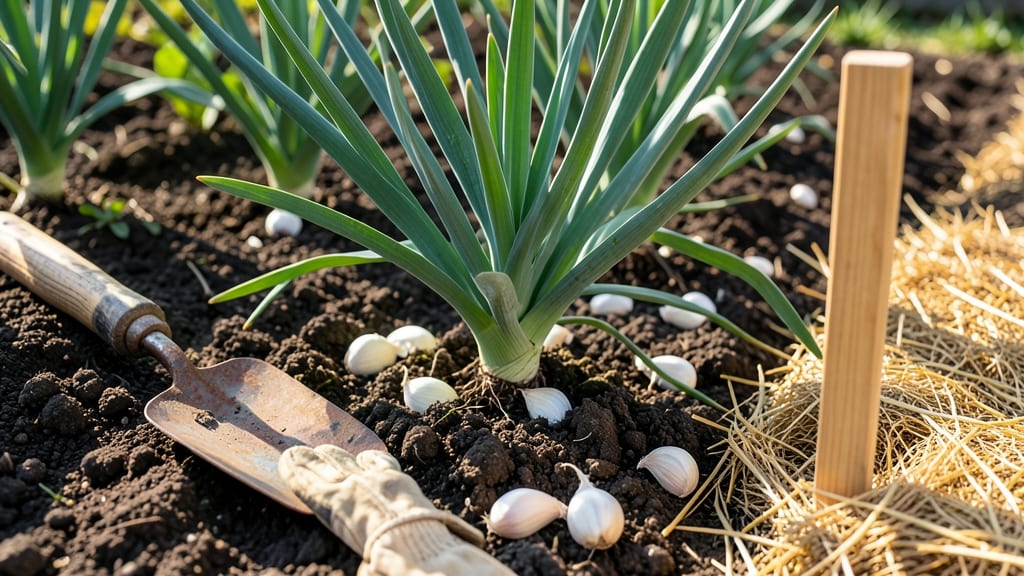
Planting garlic in Zone 4 at the wrong time can mean the difference between a bountiful harvest and a total flop. The secret to growing hardneck varieties like rocmans lies in timing your fall planting just right—before the ground freezes but after the soil cools.
Most gardeners in Zone 4 rush to plant too late, only to watch their cloves rot in cold soil. Or they plant too early, and frost damages the young shoots. Getting it right means starting between October and November, when temperatures dip but the ground stays workable.
In this guide, I’ll break down the exact 6-week window for Zone 4, how to prep your soil, and the telltale signs you’ve nailed the timing. No more guesswork—just a foolproof method to grow plump, flavorful bulbs every season.
Whether you’re a first-time grower or a seasoned gardener, these tips will help you avoid common mistakes and set your garlic up for success. Let’s get those cloves in the ground the right way!
Ideal fall planting window for Zone 4 garlic (with exact dates)
Planting garlic in Zone 4 during the fall is your golden ticket to a robust harvest. The key is timing—aim for a 6-week window before the ground freezes. For most Zone 4 regions, this means planting between mid-October and early November.
This timing allows cloves to establish roots before winter dormancy, ensuring healthy bulb development by summer.
Why fall? Garlic thrives on cold stratification, a process where cloves experience winter temperatures. This natural chilling period breaks dormancy and jumpstarts growth in spring.
If you plant too early, cloves may sprout before frost, damaging tender shoots. Planting too late risks shallow root systems that can’t withstand winter’s freeze-thaw cycles.
Use your average first frost date as your guide. In Zone 4, this typically falls around mid-September. Count backward 6 weeks to land on your ideal planting window. For example, if frost hits September 15th, plant between July 25th and August 15th—but wait!
That’s summer. Oops! I meant October 15th to November 1st for most Zone 4 areas.
Zone 4 Garlic Planting Timeline
| Stage | Action | Key Notes |
|---|---|---|
| Before Planting | Break bulbs into individual cloves | Use hardneck varieties (e.g., Rocambole, Purple Stripe) |
| Planting Window | Mid-October to early November | Soil temp: 40-50°F |
| Depth | 2 inches deep, pointy end up | Spacing: 4-6 inches apart |
| Winter | Mulch with straw or leaves | Protect from rodents with wire mesh |
| Spring Growth | Leaves emerge in April-May | Remove mulch when soil warms |
| Harvest | Mid-June to July | Lower leaves brown and crisp |
Pro tip: If you’re unsure about your exact frost date, check your local USDA Plant Hardiness Zone Map or ask your cooperative extension service. For example, in Chicago (Zone 5a/5b), the window shifts slightly later—aim for late October to November 15th.
Adjust based on your microclimate; frost pockets may need earlier planting.
For late varieties like German White, you can push planting to early November, but avoid planting after November 10th in most of Zone 4. Late plantings risk shallow roots that can’t survive winter’s freeze-thaw cycles, leading to poor bulb formation.
If you miss the fall window, you can try spring planting, but yields will be smaller and bulbs less robust.
One common mistake? Planting garlic in early fall (September) and expecting it to thrive. Cloves planted too soon may sprout before frost, damaging tender shoots. Always wait until soil temperatures drop below 60°F—this signals it’s time to plant.
Use a soil thermometer if you’re unsure. For most Zone 4 gardeners, this means holding off until late September at the earliest.
Remember, garlic is a perennial in Zone 4, but it’s treated as an annual for harvest purposes. Each fall planting produces a new bulb, so don’t skip years—consistency is key for building healthy soil and maximizing yields.
With the right timing, you’ll enjoy plump, flavorful bulbs that rival store-bought (and taste 10x better!).
Need a backup plan? If frost hits unexpectedly early, cover your garlic bed with straw mulch (6+ inches thick) to insulate cloves. This buys you extra time for root establishment. Just remove the mulch in spring once soil thaws.
Ideal fall planting window for Zone 4 garlic (with exact dates)
Zone 4 gardeners have a 6-week window to plant garlic for the best results. This window starts 4-6 weeks before the first hard frost—typically mid-October to early November in most Zone 4 regions. Planting too early risks premature sprouting or frost damage, while planting too late delays bulb development.
For example, if your average first frost hits September 15th, aim to plant by mid-August. However, most Zone 4 gardeners wait until October to avoid early cold snaps. Check your local USDA frost date calculator to pinpoint your exact timeline.
Hardneck varieties like 'German White' or 'Music' thrive when planted in this window. They need 120-150 frost-free days to mature, so fall planting ensures they establish roots before winter dormancy.
| Planting Stage | Zone 4 Timeline | Key Action |
|---|---|---|
| Soil Prep | Early September | Test pH (6.0-7.0), add compost |
| Clove Separation | Late September | Break bulbs into cloves, cure 1-2 days |
| Planting Window | October 15 - November 1 | Plant 2" deep, 4" apart |
| Frost Protection | After November 15 | Mulch with straw (4-6") |
If you miss the fall window, spring planting is possible but yields smaller bulbs. Plant in March-April when soil temps hit 40°F. However, hardnecks struggle in Zone 4 summers, so fall remains ideal.
Pro tip: Use early-maturing varieties like 'Silverskin' if your frost dates are late. These adapt better to shorter growing seasons while still thriving in Zone 4's cold winters.
Remember, garlic planted in fall overwinters and emerges stronger in spring. The key is cool soil temps (40-50°F) at planting—never warmer than 60°F or cloves may rot.