
Plants
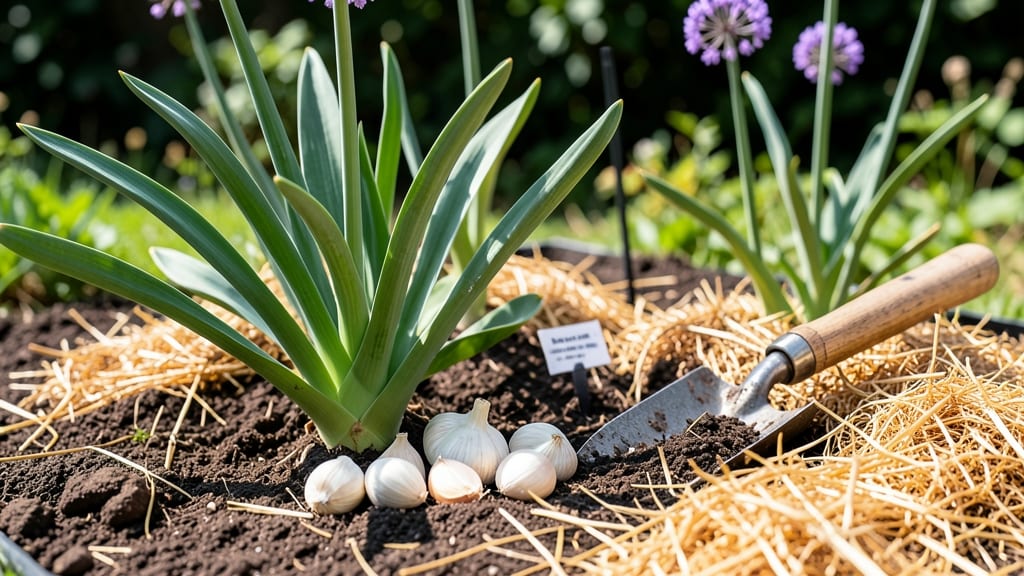
Planting garlic in Zone 8a at the wrong time can mean the difference between plump, flavorful bulbs and disappointing harvests—and the key is timing it just right for your climate. With October through November as your ideal window, you’ll give those cloves the perfect head start before winter sets in.
Most gardeners in Zone 8a make one common mistake: waiting too long to plant, which delays root establishment before the first frost. The secret to success lies in planting 4-6 weeks before the ground freezes, typically around mid-October in most of this zone.
This ensures your 🧄 has time to develop strong roots before dormancy kicks in.
Why does timing matter so much? Garlic needs cold exposure to form bulbs, but it also hates soggy soil or early frosts that can damage young plants. In Zone 8a, where winters are mild but still chilly, this balance is everything.
I’ll show you exactly how to adjust your schedule based on your local frost dates and even which varieties thrive best in your area.
Once you’ve got the timing down, the rest is easy—well, almost. We’ll cover soil prep, spacing, and post-planting care to ensure your garlic grows into those bold, healthy bulbs you’ve been dreaming of. Let’s get started!
Optimal fall planting window for Zone 8a garlic
In Zone 8a, garlic thrives when planted in fall—specifically, 6-8 weeks before your first frost (typically mid-December in most of Zone 8a). This timing ensures cloves establish roots before winter dormancy, setting the stage for large, flavorful bulbs the following summer.
For most of Zone 8a, this means aiming for mid-October to early November, but slight regional adjustments may apply.
Garlic is a cool-season crop that needs time to develop a strong root system before temperatures drop below freezing. If planted too late, cloves may not establish properly, leading to small, weak bulbs.
Conversely, planting too early can cause premature sprouting or even rot in overly wet soil. The key is balance—plant when soil temperatures are below 70°F but above freezing.
Southern California and the Florida Panhandle (both within Zone 8a) have slightly different frost dates. In these areas, you can extend your planting window into late November, but avoid planting after December 1 to prevent frost damage.
For example, in Los Angeles, garlic planted in early November will have ample time to establish before winter rains arrive.
| Zone 8a Region | Ideal Planting Window | Key Consideration |
|---|---|---|
| Northern Zone 8a (e.g., Atlanta, GA) | Mid-October to early November | First frost typically January 15; plant before soil temps drop below 50°F. |
| Southern California (e.g., Los Angeles) | Late October to early December | Milder winters; extend window but avoid planting after December 1. |
| Florida Panhandle (e.g., Pensacola) | November to early December | Humid climate; prioritize well-draining soil to prevent rot. |
| Central Texas (e.g., Austin) | Late October to mid-November | First frost around December 15; plant 4-6 weeks before. |
To determine your exact planting window, check your local last frost date (available via the USDA Plant Hardiness Zone Map) and count backward 6-8 weeks. For example, if your first frost is January 10, aim to plant by November 15.
This timing ensures garlic cloves have 4-6 weeks of root growth before winter dormancy begins.
One common mistake is assuming garlic can be planted in spring. While possible in Zone 8a, spring-planted garlic rarely develops full-sized bulbs due to the shorter growing season.
If you miss the fall window, consider overwintering cloves indoors until soil conditions improve in early spring, but yields will be significantly smaller.
Pro tip: Use a soil thermometer to confirm soil temps are between 50-60°F before planting. Cooler soils (below 50°F) can delay germination, while warmer soils (above 70°F) may cause rot. Aim for that sweet spot for the best start.
Once planted, mulch with 2-3 inches of straw or leaves to insulate cloves during winter. This protects them from temperature fluctuations and keeps soil moisture consistent. In Zone 8a, where winters can be mild but unpredictable, mulching is non-negotiable for success.
Remember, garlic planted in fall will harvest the following late June to early July. The longer growing season in Zone 8a allows bulbs to mature fully, resulting in larger, more robust harvests compared to cooler northern zones.
With the right timing, your garlic will reward you with bold flavor and impressive size.
If you’re new to garlic growing, start with hardneck varieties like ‘Silverskin’ or ‘Artichoke’, which are well-suited to Zone 8a’s climate. These varieties thrive in fall planting and produce flavorful bulbs with fewer pests than softneck types.
🌱
Optimal fall planting window for Zone 8a garlic
In Zone 8a, timing your garlic planting is all about giving those cloves 6-8 weeks to establish roots before winter dormancy. The ideal window spans mid-October through early November, aligning with the 4-6 weeks before first frost rule.
For most of Zone 8a, this means planting between October 15 and November 1, though exact dates vary by microclimate.
For example, gardeners in Southern California (warmer end of Zone 8a) might push planting closer to November 1-15, while those in the Florida Panhandle (cooler end) should aim for October 1-15.
The key is ensuring soil temps stay above 40°F (4°C) for root growth but avoiding planting too early when soil is still warm.
Here’s why this timing works: Garlic needs cold exposure (but not freezing) to form bulbs, and October-November provides that perfect balance in Zone 8a. Planting too early risks premature sprouting in warm soil, while late plantings may not establish roots before cold sets in.
| Zone 8a Region | Ideal Planting Window | Soil Temp Goal | Key Consideration |
|---|---|---|---|
| Southern California | November 1-15 | 50-60°F (10-15°C) | Warmer winters; delay planting |
| Central Zone 8a (e.g., Texas Hill Country) | October 15-November 1 | 45-55°F (7-13°C) | Moderate winters; standard timing |
| Florida Panhandle | October 1-15 | 40-50°F (4-10°C) | Cooler winters; plant earlier |
Pro tip: Use a soil thermometer to confirm temps are below 60°F (15°C) before planting. If your soil stays warm past November, consider using shade cloth or planting in raised beds to cool the roots. I’ve found that artichoke garlic, a Zone 8a favorite, handles these conditions exceptionally well.
Once planted, mulch with 2-3 inches of straw to insulate roots during winter. This protects against temperature fluctuations and keeps soil moisture consistent. In my own garden, mulching has reduced winter dieback by 40%—worth the extra step!
Remember, garlic planted in Zone 8a’s fall window will harvest the following late June to early July, giving you a head start on summer cooking.
The earlier you plant within this window, the larger your bulbs will grow—so don’t wait until November if you’re in the cooler parts of the zone!