
Plants
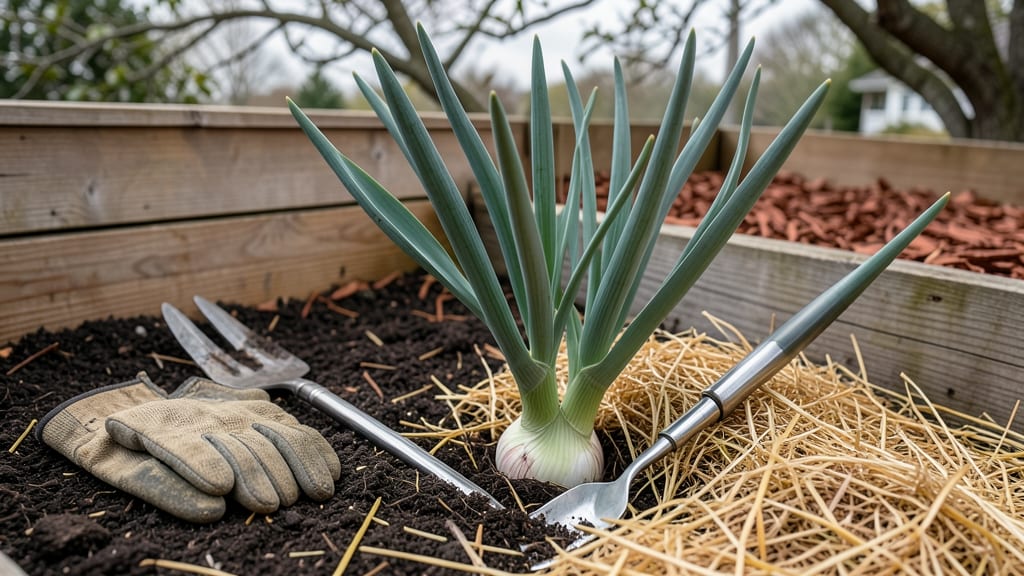
Planting garlic in Tennessee at the wrong time means smaller bulbs—or worse, no harvest at all. The key to growing plump, flavorful 🧄 in your backyard lies in timing your fall planting just right, so the roots establish before winter sets in.
Unlike other crops, garlic thrives when planted in cool weather, ideally between October and November in TN’s 6a-7b zones. This window ensures strong root growth before the ground freezes, setting the stage for next summer’s harvest. Skip this step, and you risk bolting (flowering too early) or stunted bulbs.
I’ve grown garlic in Tennessee for years, and the difference between a great harvest and a mediocre one comes down to these few weeks. Whether you’re a first-timer or a seasoned gardener, mastering the timing will give you bulbs that rival what you’d buy at the store—only better.
Ready to learn the exact dates, soil prep tips, and regional tweaks that work for TN’s climate? Let’s dive into how to plant garlic for maximum success, so you can enjoy homegrown flavor from late June through July.
Best fall planting dates for garlic in TN by climate Zone
Tennessee’s diverse climate zones—from the humid East to the cooler High Country—mean your garlic planting window varies by region.
For hardneck varieties (like Music or Chesnok Red), aim for 4-6 weeks before the first hard frost to ensure strong root growth before dormancy. Softneck varieties (like Silverskin) can handle slightly later plantings but still need frost-free root establishment.
Most of Tennessee falls under USDA Zones 6a-7b, with frost dates ranging from mid-October in the High Country to late November in West Tennessee. Use these dates as your guide to avoid bolting (premature flowering) or frost damage.
| Climate Zone | Ideal Planting Window | Last Frost Date | Best Variety |
|---|---|---|---|
| East TN (Zone 6a-7a) | October 15–November 1 | Mid-November | Hardneck (Music, German White) |
| Middle TN (Zone 7a-7b) | October 1–October 25 | Late November | Hardneck (Chesnok Red, Silverskin) |
| West TN (Zone 7b-8a) | October 15–November 10 | Early December | Softneck (Artichoke, Creole) |
| High Country (Zone 5b-6a) | September 20–October 10 | Mid-October | Hardneck (German White, Rocambole) |
If you miss the ideal window, don’t panic! You can plant garlic as late as December 1 in most of TN, but expect smaller bulbs. The key is ensuring 4-6 weeks of root growth before the ground freezes solid.
For example, in Nashville (Zone 7b), planting by October 15 gives roots time to establish before frost hits in late November.
For microclimates (like urban heat islands or sheltered gardens), adjust your timeline by 1-2 weeks later. These areas may stay frost-free longer, allowing a slightly extended planting window. Always check your local Cooperative Extension Service for updated frost dates, as they can shift yearly.
Pro tip: Use mulch (straw or leaves) after planting to insulate soil and protect young roots from freeze-thaw cycles. A 3-4 inch layer keeps soil temps stable and prevents heaving during winter. This is especially critical in East and High Country TN, where temperatures can plummet faster.
Hardneck garlic thrives in TN’s climate, but softneck varieties (like Artichoke) may struggle with cold winters in Zones 6a or below. If you’re in East or High Country TN, stick to hardneck varieties for larger bulbs and scapes.
In milder zones (West TN), softneck varieties store longer and are great for braiding.
Watch for early signs of growth (like green shoots in spring) to confirm successful planting. If your garlic bolts (sends up a flower stalk) before May, it’s a sign you planted too early. Adjust your timeline next year by 1-2 weeks later for optimal results.
For container gardening in TN, plant garlic in October-November too, but use larger pots (12+ inches deep) to accommodate root growth. Containers warm up faster in spring, so monitor for early bolting and move pots to a shadier spot if needed.
✅ Key takeaway: Plant garlic in TN between October 1 and November 10, adjusting for your specific zone. Hardneck varieties dominate in most of the state, while softneck works best in West TN’s warmer microclimates.
Mulch heavily to protect roots, and always plant 4-6 weeks before the first hard frost.
Best fall planting dates for garlic in TN by climate Zone
Tennessee’s diverse climate zones—from the humid East to the cooler High Country—mean your garlic planting window varies by region. For hardneck varieties (the best choice for TN’s winters), aim to plant 4-6 weeks before the ground freezes.
This typically falls between mid-October and early November, but your exact timing depends on where you live.
In USDA Zone 6a (East TN), where winters are milder, you can plant as late as early November. Meanwhile, Zone 7b (West TN) gardeners should plant by mid-October to avoid early freezes.
The High Country (Zone 6a) has the shortest window—plant by late September to early October to give roots time to establish before snow arrives.
Softneck garlic, like Silverskin, is less cold-hardy and should be planted 2-3 weeks earlier than hardneck varieties. However, TN’s climate favors hardneck for its larger bulbs and scapes, so most gardeners stick with varieties like Music or Chesnok Red.
| Climate Zone | Best Planting Window | Hardneck Varieties | Soil Prep Tip |
|---|---|---|---|
| East TN (Zone 6a) | Mid-October – Early November | Music, Chesnok Red | Amend clay soil with compost |
| Middle TN (Zone 7a) | Late October – Mid-November | German White, Purple Stripe | Test pH (aim for 6.0-7.0) |
| West TN (Zone 7b) | Mid-October – Late October | Silverskin (early), Artichoke | Add sulfur if soil is alkaline |
| High Country (Zone 6a) | Late September – Early October | Creole, Rocambole | Mulch heavily (6+ inches) |
Check your local average first frost date (usually mid-November in TN) and plant 6 weeks before that date. For example, if frost hits November 15, aim to plant by October 15. This ensures roots grow deep enough to survive winter without bolting prematurely.
Pro tip: Use a soil thermometer to confirm the ground is below 50°F but not frozen. If temps drop suddenly, cover beds with straw mulch to protect young plants. Timing isn’t just about dates—it’s about letting nature set the pace for your garlic’s success.
Once planted, focus on minimal care until spring. The real work happens underground, where roots expand and store energy for next summer’s harvest. With the right timing, you’ll be pulling plump bulbs by late June or July—just in time for fresh cooking or braiding!