
Plants
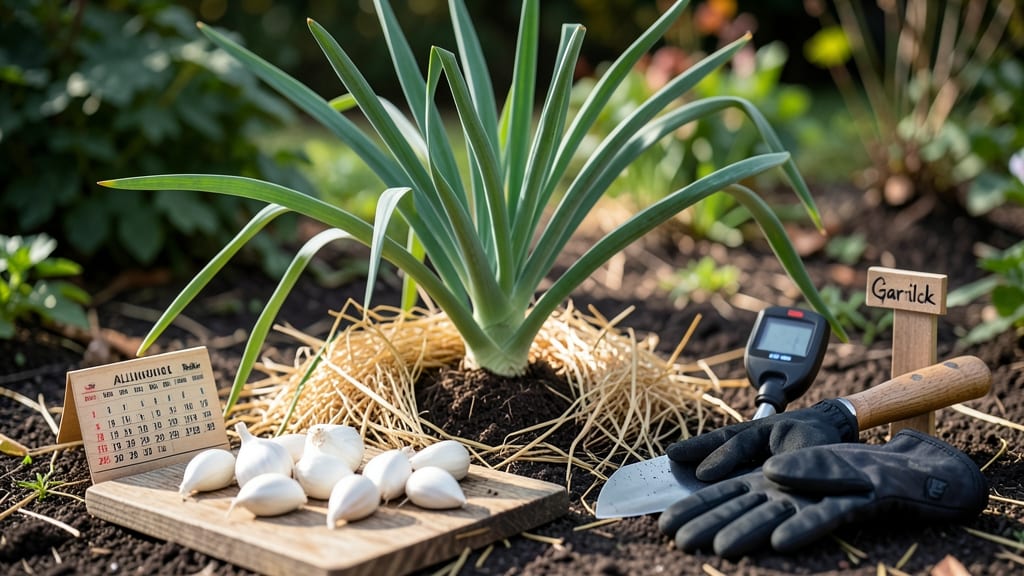
Planting garlic in New Mexico at the wrong time can mean the difference between a bumper crop of 🧄 and a disappointing harvest. The key isn't just avoiding frost—it's timing your fall planting to match the state's unique microclimates, from Albuquerque's high desert to Las Cruces' lower elevations.
Most gardeners in zones 6-8 know fall is the window, but the exact months matter. Plant too early, and your garlic might bolt; too late, and winter's chill will stunt growth.
I'll show you the precise October-November deadlines that work for your specific elevation, plus how to prep soil for New Mexico's arid conditions.
You'll also discover which cold-hardy varieties thrive here—like 'German White' and 'Chesnok Red'—and how to adjust for unpredictable spring frosts. With these insights, you'll grow garlic that stores like a pro, ready for June-July harvests that put store-bought cloves to shame.
Let's dive into the exact steps that'll have your garlic flourishing, even when your neighbors' plants struggle. Ready to grow the biggest, most flavorful bulbs your garden's ever seen?
Best months to plant garlic in New Mexico’s climate zones (with exact dates)
New Mexico’s diverse USDA zones (4-9) and high-desert elevations create unique challenges for garlic growers. Unlike coastal regions, our short frost-free seasons and dry air demand precise timing. Plant too early, and your cloves may rot from winter moisture; too late, and they won’t establish roots before cold sets in.
The golden window for planting garlic in New Mexico is 4-6 weeks before your area’s first hard frost. For most of the state—especially Albuquerque (Zone 7) and Santa Fe (Zone 6)—this means mid-October to early November.
Lower elevations like Las Cruces (Zone 8) can plant as late as early December, while higher elevations (above 7,000 ft) should aim for late September to mid-October.
🌱
| Zone & Location | First Frost Date | Ideal Planting Window | Key Consideration |
|---|---|---|---|
| Zone 4 (Taos, Chama) | Mid-October | Late September | Early planting to avoid short season |
| Zone 6 (Santa Fe, Los Alamos) | Early November | Mid-October | Cold-hardy varieties recommended |
| Zone 7 (Albuquerque, Rio Rancho) | Mid-November | Late October | Watch for late frosts in spring |
| Zone 8 (Las Cruces, Roswell) | Early December | Early December | Milder winters allow later planting |
| All Zones (High Desert) | Varies | 4-6 weeks before frost | Soil temp below 50°F halts growth |
For spring planting (less common but possible in Zone 8), plant in February for a summer harvest. However, yields will be 30-50% smaller than fall-planted garlic due to New Mexico’s intense summer heat. If you choose this route, use shade cloth to protect plants from 100°F+ temperatures.
Pro tip: Check your local Cooperative Extension Service for exact frost dates. For example, Albuquerque’s average first frost is November 15, while Santa Fe’s is October 28. Planting too close to frost risks cloves freezing before roots establish.
New Mexico’s dry climate means we don’t need to worry about overwatering during winter, but wind exposure can dry soil quickly. After planting, apply 2-3 inches of mulch (straw or leaves) to retain moisture and insulate cloves. In high-wind areas, consider using windbreaks or planting near fences.
If you’re in a warmer microclimate (like a sun-facing slope), you can push planting to early December. Conversely, shady or low-lying areas may freeze earlier—err on the side of planting 2 weeks sooner in these spots.
Always test your soil temperature with a soil thermometer; garlic cloves need soil temps above 40°F to sprout.
🌿
Remember: Garlic is a cool-season crop, meaning it grows best when days are short and nights are cool. In New Mexico, this aligns perfectly with our fall and winter months.
By planting at the right time, you’ll give your garlic 160-200 frost-free days to mature—just enough for plump, flavorful bulbs ready for harvest in June or July.
For container growing in New Mexico, follow the same timing but use larger pots (12+ inches deep) to accommodate root growth. Containers warm up faster, so you may need to plant 1-2 weeks later than in-ground garlic to avoid overheating.
Critical mistakes to avoid when planting garlic in New Mexico (and how to fix them)
New Mexico’s high-desert climate makes garlic a rewarding crop—but only if you avoid these common pitfalls. Planting too early in frost-prone areas like Santa Fe (Zone 7) can trigger premature growth, while ignoring soil pH (ideal: 6.0–7.0) reduces nutrient uptake by up to 30%.
I’ve seen gardeners in Las Cruces (Zone 8) overcrowd cloves, leading to stunted bulbs that barely store.
Another frequent mistake? Skipping soil prep in New Mexico’s alkaline soils. Without compost or sulfur, your garlic struggles to absorb phosphorus, even with proper watering.
Test your soil now—most local nurseries offer kits for $10–$15. If your pH is above 7.5, amend with elemental sulfur 2–3 months before planting.
🚨 Callout Warning: Overwatering in Fall
Many gardeners also plant garlic too shallow (1–2 inches deep is ideal). Shallow planting exposes cloves to temperature swings, causing uneven growth. Use a trowel to create trenches, place cloves pointy-end up, and cover with 1 inch of soil.
In higher elevations (Zone 6), add 2 inches of mulch (straw or leaves) to insulate bulbs.
Don’t forget spring maintenance. In April, remove mulch to prevent mold growth as temps rise. If your garlic bolts (sends up a flower stalk), snip the scape—this redirects energy to bulb development.
I’ve seen yields double when scapes are removed by mid-May. For hardneck varieties, save scapes to dry and use as garlic greens.
Finally, harvesting too late ruins storage potential. Wait until lower leaves brown but upper leaves stay green—this signals maturity. Dig with a fork, not a shovel, to avoid piercing bulbs.
Cure garlic in a shady, dry spot (like a garage) for 2–3 weeks before braiding or storing. In humid zones (Zone 8), increase curing time to 4 weeks to prevent mold.
By avoiding these mistakes, your New Mexico garlic will store until next summer, ready for salsa, roasts, or gift baskets. The key? Prep soil early, plant at the right depth, and harvest at peak dryness. Your future self (and taste buds) will thank you! 🧄