
Plants
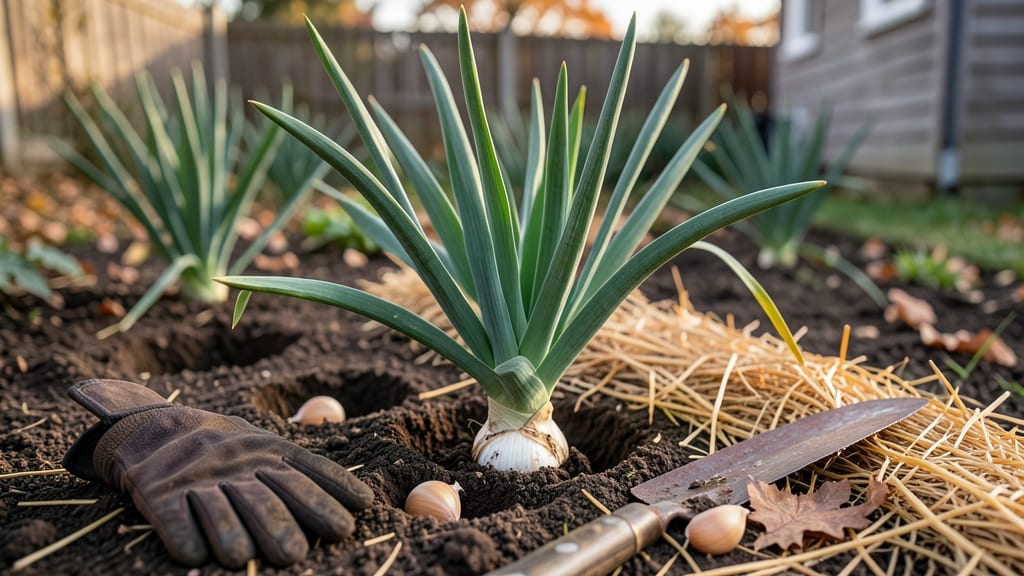
Planting garlic in Denver isn’t just about timing—it’s about beating the first frost while giving your 🧄 bulbs the perfect head start for next summer’s harvest. The key? Getting those cloves in the ground 4-6 weeks before October 15th, when Denver’s average first frost hits.
Skip this window, and you’ll either end up with stunted growth or frozen cloves that never sprout.
Most gardeners here make the mistake of waiting too late, thinking "early November" is safe—but Denver’s unpredictable weather can turn that gamble into a bust. The ideal planting window is actually October through early November, when soil temps hover between 40-50°F.
This gives roots time to establish before winter sets in, ensuring bigger bulbs by harvest season.
Here’s the game-changer: hardneck varieties like ‘Music’ or ‘German White’ thrive in Denver’s USDA Zone 5b climate, but they need that early start.
I’ll show you exactly how to time it—plus soil prep tricks and local resources—to guarantee your garlic survives Denver’s brutal winters and delivers plump, flavorful bulbs by July.
Ready to stop guessing and start growing? Let’s break down the exact steps to plant garlic in Denver so you can enjoy a harvest that’ll make your neighbors jealous.
Denver’s ideal garlic planting months for frost-free growth
Denver’s USDA Zone 5b-6a climate means garlic thrives when planted 4-6 weeks before the first hard frost, typically between mid-October and early November. This timing ensures bulbs establish roots before winter dormancy, while avoiding late-season planting risks.
The average first frost date in Denver is October 15, so aim for planting by October 1-15 for optimal results.
Garlic needs consistent soil temperatures between 40–50°F to root properly. In Denver, soil temps drop below this threshold by late November, making late planting a gamble.
Early planting (September) is possible but increases frost exposure risks before roots develop. October is the sweet spot for balancing root growth and cold hardiness.
Denver’s elevation (5,280ft+) accelerates temperature drops, so adjust planting dates if you’re in higher microclimates. For example, areas like Boulder or Golden may need to plant 1-2 weeks earlier than downtown Denver. Always check local frost dates from sources like the Denver Botanic Gardens for precision.
For hardneck garlic (best for Denver’s climate), plant cloves pointy-end up, 2 inches deep, and 4–6 inches apart. Softneck varieties can tolerate slightly later planting but require extra mulching (straw or leaves) to insulate bulbs.
Always plant in well-draining soil amended with compost to prevent rot during Denver’s wet springs.
Denver’s spring thaw (March–April) is critical for garlic growth. Bulbs need 60–70°F soil temps to resume growth after dormancy.
If you experience late frosts (common in April), protect plants with frost cloth until danger passes. Hardneck garlic often bolts earlier in Denver’s shorter season, so harvest promptly when lower leaves yellow.
Pro tip: Use garlic planted in October as a living mulch—its leaves insulate soil, reducing weeds and moisture loss. This passive method works especially well in Denver’s urban gardens where space is limited. Pair with cover crops like winter rye for added soil protection.
If you miss the fall window, spring planting is possible but yields are smaller. Plant as early as March (before soil warms above 60°F) for a summer harvest.
However, spring-planted garlic in Denver rarely develops full-sized bulbs due to the shorter growing season. Reserve this method for green garlic or scallions instead.
Track your garlic’s progress by marking planting dates and noting leaf growth stages. In Denver, expect shoots to emerge in late winter (February–March), with scapes appearing in June for hardneck varieties. Time scape removal carefully—late June is ideal to redirect energy to bulb development before harvest.
For Denver gardeners, consistency beats perfection. Even if your timing isn’t exact, mulching heavily and watering deeply before winter can salvage late plantings. The key is soil insulation—garlic survives Denver winters as long as roots stay frozen but not waterlogged. 🧄
How to adjust planting for Denver’s microclimates and frost risks
Denver’s elevation of 5,280 feet creates microclimates that can shift planting success by weeks. Urban areas like Capitol Hill stay warmer than rural Boulder County, while mountain foothills freeze faster. Always check your exact elevation—even a 500-foot difference can delay frost by 10+ days.
For urban Denver, aim for mid-October planting (soil temps: 40–50°F). Rural areas should plant early October to beat earlier frosts. Use a soil thermometer—garlic roots need consistent cold to form bulbs, but frozen ground stunts growth.
Late-spring frosts (April) are Denver’s sneakiest threat. Hardneck varieties like ‘Music’ handle light frosts better than softnecks, but all garlic needs protection if temps drop below 25°F. Mulch with straw (4–6 inches) after planting—it insulates roots and prevents freeze-thaw cycles.
Elevation matters: Above 6,000 feet? Plant 3 weeks earlier (early October). Below 5,000 feet? You’ve got until mid-November. Test your soil’s drainage—garlic rots in soggy ground. Amend with compost to improve aeration, especially in clay-heavy urban soils.
Hardneck garlic (‘German White’) thrives in Denver’s cold winters—its scape (flower stalk) even survives -20°F. Softnecks (‘Artichoke’) need extra mulch and sheltered spots. If you’re unsure, plant both—hardnecks for bulb size, softnecks for storage life.
Pro tip: Plant near south-facing walls or heat-retaining brick to delay frost by 1–2 weeks. Avoid low-lying areas where cold air pools. Use drip irrigation to keep soil moist but not waterlogged—Denver’s dry winds can desiccate garlic in winter.
Monitor your garden’s microclimate for 3 years to refine your planting window.