
Plants
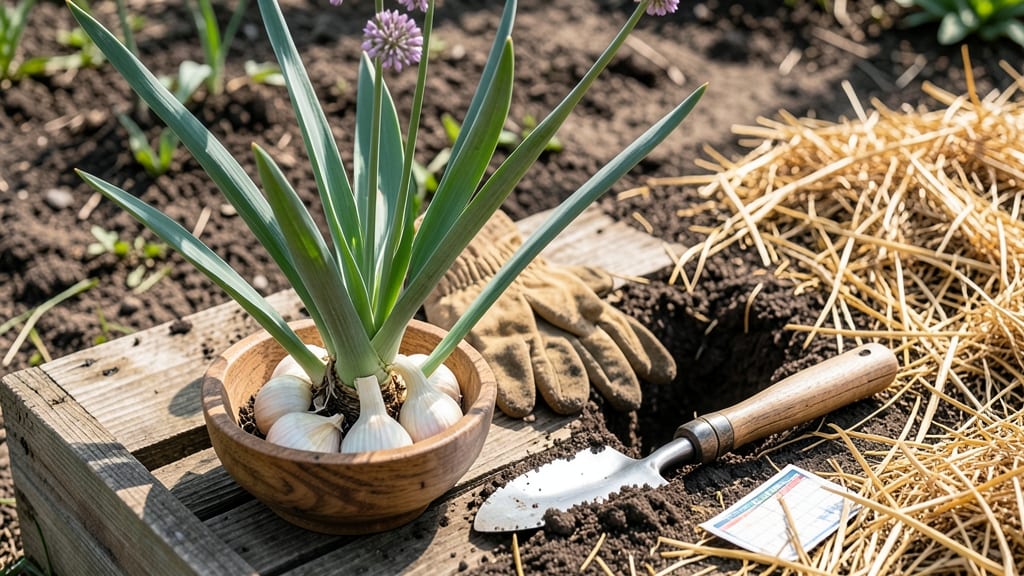
Planting garlic at the wrong time in New York can mean the difference between a bountiful harvest and wasted effort. The key to growing plump, flavorful bulbs lies in understanding your local climate—especially in USDA Zone 6a, where hardneck and softneck varieties behave differently.
Most New York gardeners know fall is the ideal season to plant 🧄 garlic, but timing matters just as much as the variety you choose.
Whether you're in NYC or Upstate, planting between October and November gives your cloves the cold exposure they need to develop properly before winter sets in.
Hardneck garlic thrives in colder winters, while softneck prefers milder conditions—so your location plays a big role. I’ll break down the exact planting windows, soil prep tips, and how to adjust for your specific microclimate to ensure zero-frost success.
Ready to grow garlic that’s ready to harvest by late June? Let’s dive into the most important steps to set your crop up for success from day one.
Optimal planting windows for hardneck vs softneck garlic in New York
New York’s diverse climate—from NYC’s urban heat islands to Upstate’s colder winters—means garlic planting windows vary by region. But one rule applies statewide: plant garlic in fall for the largest bulbs.
Hardneck varieties (best for cold winters) and softneck (milder climate lovers) each have ideal timing, and missing these windows can mean smaller harvests or frost damage.
For Upstate New York (USDA Zones 4-5), aim to plant hardneck garlic between October 1 and November 15. The soil should be 40-50°F (4-10°C)—cold enough to slow early growth but not frozen.
In NYC and Long Island (Zones 7-8), extend your window slightly: plant softneck garlic from October 15 to December 1, as milder winters reduce frost risk.
Here’s why timing matters: Garlic needs 60-80 days of cold temperatures (called vernalization) to form bulbs.
Plant too early, and cloves may sprout before winter; too late, and bulbs won’t mature before summer heat. Pro tip: Use your last frost date (around April 15 in most of NY) as a backward count—plant 4-6 weeks before soil freezes.
| Factor | Hardneck Garlic (Cold-Climate) | Softneck Garlic (Mild-Climate) |
|---|---|---|
| Best Planting Months | October 1–November 15 | October 15–December 1 |
| Ideal Soil Temp | 40–50°F (4–10°C) | 45–60°F (7–15°C) |
| Cold Requirement | 60–80 days below 40°F | 30–50 days below 50°F |
| Harvest Window | Late June–July | Mid-July–August |
| NYC vs Upstate | Upstate: October 1–Nov 15 | NYC: Oct 15–Dec 1 |
| Late Planting Risk | Small bulbs, poor dormancy | Bolting (flowering) before harvest |
Upstate gardeners should prioritize hardneck varieties like ‘Music’ or ‘German White’, which thrive in USDA Zones 4-5. These need longer cold periods to form bulbs and scapes (those prized garlic shoots).
In contrast, NYC and Long Island favor softneck types like ‘Silverskin’ or ‘Artichoke’, which store longer but need shorter cold exposure.
Missed the fall window? You can try spring planting, but yields will be 30-50% smaller. Plant cloves in March (when soil reaches 45°F) for a summer harvest, but expect fewer bulbs. Spring garlic is best for small-scale use or experimenting with new varieties.
Check your local frost dates—tools like the National Weather Service or Old Farmer’s Almanac provide NY-specific forecasts. For example, Albany’s first frost often hits by October 10, while Buffalo’s can come as early as September 25. Adjust your planting date 2-3 weeks earlier in colder zones.
One common mistake? Planting too shallowly (less than 2 inches deep). Garlic cloves need consistent moisture but poor drainage leads to rot.
Aim for 6 inches deep in loose soil, or 4 inches in heavier clay. Mulch with straw (3–4 inches) after planting to insulate roots and retain moisture through winter.
Hardneck garlic planted in October will send up green shoots by April, while softneck may wait until May.
Both types need full sun (6+ hours/day), but hardneck tolerates partial shade better in hot Upstate summers. Test your soil pH (ideal: 6.0–7.0)—amend with compost or lime if needed.
Remember: New York’s garlic success hinges on two things: cold exposure and timely planting. Hardneck thrives in Upstate’s freeze, while softneck shines in NYC’s milder winters.
Optimal planting windows for hardneck vs softneck garlic in New York
New York’s USDA Zone 6a climate creates a 6-week window for planting garlic—critical for bulb development. The key is planting 4-6 weeks before the ground freezes, typically between mid-October and early November in most regions. This timing ensures garlic establishes roots before winter dormancy while avoiding spring planting risks.
Hardneck varieties like ‘Music’ or ‘German White’ thrive in New York’s cold winters, needing 30-40 days below freezing to form bulbs. Softneck types such as ‘Artichoke’ prefer milder conditions and can tolerate slightly later plantings.
NYC’s urban microclimates may extend planting to late November, while Upstate areas should aim for early October.
| Variety Type | Ideal Planting Window | Soil Temp Requirement | NYC Adjustment |
|---|---|---|---|
| Hardneck | Mid-October to early November | 45-55°F (7-13°C) | Extend to late November |
| Softneck | Late October to mid-November | 50-60°F (10-16°C) | Plant by November 15 |
Soil temperature is your best indicator for planting readiness. Use a soil thermometer to confirm temps between 45-60°F. In Upstate NY, where winters are harsher, aim for early October plantings. NYC gardeners can push to mid-November thanks to urban heat islands delaying frost.
Missed the fall window? Spring planting is possible but yields smaller bulbs. For spring plantings, sow cloves in March when soil reaches 50°F, but expect 50% smaller harvests compared to fall-planted garlic. This method works best for softneck varieties in milder microclimates.
Pro tip: Chit your cloves (sprout them indoors) 2-3 weeks before planting. This jumpstarts growth and ensures uniform emergence after winter. Store cloves in a cool, dark place until planting day to maintain viability.
Remember, garlic needs 10-12 months to mature. Planting too early risks premature bolting (flowering), while late plantings may not develop full bulbs before harvest. Aim for October 15 as your target date—adjusting ±2 weeks based on your specific microclimate.