
Planting
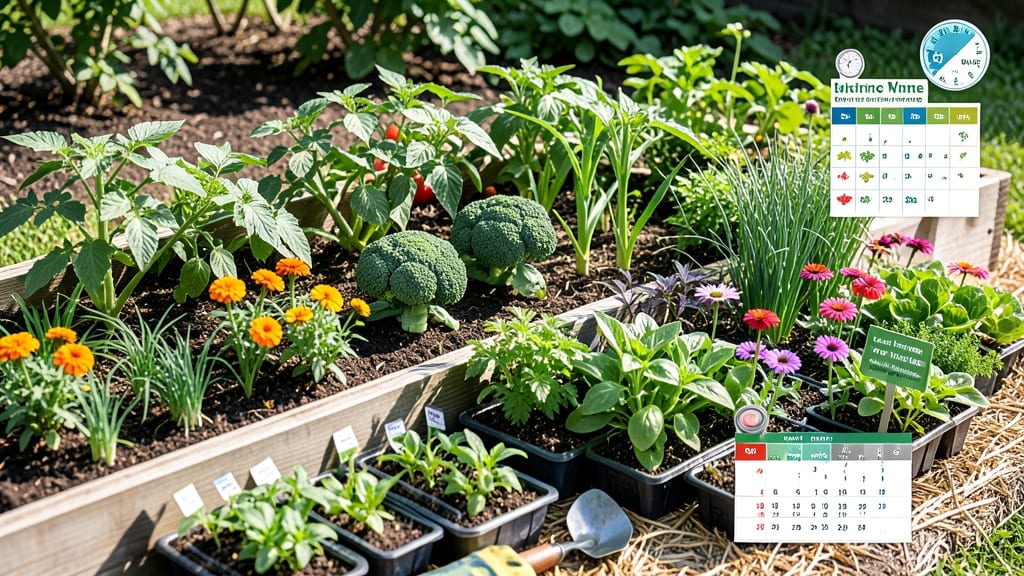
Planting your garden in Virginia at the wrong time can mean the difference between a thriving harvest and a sad, frost-nipped disappointment. With USDA Zones ranging from 5b to 7a, timing is everything—and getting it right means avoiding common mistakes that even experienced gardeners make.
I’ve spent years tracking frost dates and soil temperatures across Virginia, and the key to success lies in understanding your specific zone’s last frost window.
Whether you’re growing tomatoes in Zone 6 or sweet potatoes in Zone 7a, planting too early or too late can throw off your entire growing season. Let me walk you through the exact frost-free timeline you need to maximize your garden’s potential.
From cool-season crops like lettuce and peas to heat-loving vegetables like okra and peppers, each plant has its own ideal window. We’ll break down when to start seeds indoors, when to transplant seedlings, and how to adjust for Virginia’s unpredictable weather patterns.
No more guessing—just data-backed timing for a garden that flourishes.
Ready to turn your garden dreams into reality? Let’s dive into the most important planting dates for Virginia’s diverse climate, so you can start strong and keep growing all season long.
Virginia’s frost-free planting calendar by USDA Zone (5b-7a)
Virginia’s planting seasons vary dramatically from the mountains (Zone 5b) to the coastal plains (Zone 7a). In Zone 5b, the last spring frost typically arrives by April 15, while Zone 7a sees frost-free conditions by March 1.
These differences mean your cool-season crops like broccoli or spinach should go in 4-6 weeks before your last frost date, while warm-season crops like tomatoes need soil temperatures above 60°F.
For Zone 6 (most of Virginia), aim to plant cool-season crops between February and early April, and warm-season crops after May 15. Fall planting works best from August to September, with frost dates arriving as early as November 15 in higher elevations.
Always check local almanac records—they’re your best guide for precise timing.
Here’s how to align your planting with Virginia’s frost-free windows:
| USDA Zone | Last Spring Frost | First Fall Frost | Cool-Season Planting | Warm-Season Planting |
|---|---|---|---|---|
| 5b (Mountains) | April 15 | November 1 | Feb 15–Mar 31 | May 20–June 15 |
| 6a (Piedmont) | April 1 | November 15 | Feb 1–Apr 15 | May 1–June 10 |
| 7a (Coastal) | March 1 | November 30 | Jan 15–Apr 1 | April 15–May 30 |
For cool-season crops like lettuce or kale, start seeds indoors 6-8 weeks before your last frost date. In Zone 7a, that means sowing by January 15, while Zone 5b gardeners should wait until February 15.
Warm-season crops like peppers and eggplants need soil temperatures above 60°F, which typically happens by late May in most of Virginia.
Fall planting is your second chance for cool-season greens. Direct-sow spinach or radishes in August for a harvest before frost. In Zone 6, aim for August 15–September 15 to beat the first frost. Use row covers to extend your fall season by 2-3 weeks.
Pro tip: Use a soil thermometer to confirm warmth before planting warm-season crops. Soil should stay above 60°F for 10+ days before transplanting seedlings. In Zone 5b, this often means waiting until late May or early June.
Don’t forget perennials! Plant them in early spring (March–April) when soil is workable but not frozen. In Zone 7a, you can also plant perennials in fall (October–November) for root establishment before winter.
For container gardens, adjust timing by 1-2 weeks earlier—containers warm up faster than in-ground soil. Monitor your local Virginia Cooperative Extension updates for real-time frost advisories and regional adjustments.
Remember: Frost dates shift yearly. Use 3-year averages as a guideline, not a rule. When in doubt, opt for slow-growing varieties or use season extenders like cold frames.
How to adjust planting times for Virginia’s microclimates
Virginia’s climate varies dramatically from the mountains of Zone 5b to the coastal plains of Zone 7a, creating unique microclimates that demand flexibility in your planting schedule. If you’re gardening in urban Richmond, high-altitude Roanoke, or coastal Norfolk, one-size-fits-all frost dates won’t cut it. Let’s break down how to fine-tune your planting times based on local conditions. Microclimates affect soil warmth, frost risk, and heat intensity, so adjusting your timeline can mean the difference between a thriving garden and a failed crop. For example, high-altitude areas like the Blue Ridge Mountains often experience frost 2-3 weeks later than coastal regions. Meanwhile, urban heat islands (like downtown Norfolk) can push spring planting 1-2 weeks earlier due to warmer microclimates.To stay ahead, monitor soil temperatures—not just air temperatures—using a soil thermometer. Most cool-season crops (like lettuce or spinach) thrive when soil reaches 40°F, while warm-season crops (tomatoes, peppers) need at least 60°F.
In Zone 6a, this might mean waiting until mid-April, but in Zone 7a, you could start as early as late March. Always check local frost forecasts from sources like the [Virginia State Climate Office](https://www.vdacs.virginia.gov/climate/) for real-time adjustments.
🚨 CALLOUT WARNING 🚨
If you’re in a coastal microclimate (like Hampton Roads), humidity and salt spray can stress plants, so opt for salt-tolerant varieties like sea oats or coastal rosemary. Meanwhile, mountain gardeners should prioritize cold-hardy plants like kale or potatoes, which can handle late spring frosts.
For high-altitude areas, consider using row covers or cold frames to extend the growing season by 3-4 weeks in both spring and fall.
Another key adjustment? Heat waves. In Zone 7a, summer temperatures can spike to 95°F+, stressing heat-sensitive crops like cucumbers or squash. To combat this, plant heat-tolerant varieties (like ‘Heatmaster’ tomatoes) or use shade cloth during peak afternoon sun.
Conversely, in Zone 5b, focus on short-season varieties that mature before the first frost (typically mid-October).
For fall planting, aim to sow cool-season crops 60-90 days before your average first frost date. In northern Virginia (Zone 6b), this might mean late July, while in southern Virginia (Zone 7a), you could push it to early August.
Always account for localized frost pockets—valleys and low-lying areas freeze faster than hillsides.
Pro tip: Start a garden journal to track your microclimate’s quirks. Note when frost hits, how long soil stays warm, and which plants thrive (or fail) in your specific spot. Over time, you’ll refine your planting schedule to perfection—no more guesswork, just data-driven success! 🌱