
Planting
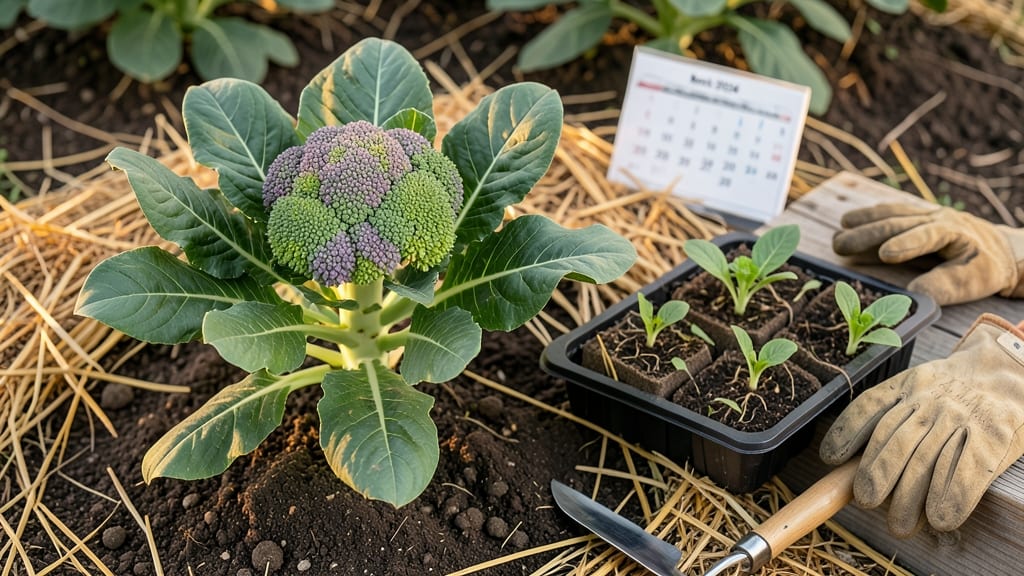
Timing your garden planting in Zone 7 can feel like walking a tightrope—one wrong move, and your hard work goes up in smoke with a surprise frost.
But here’s the truth: getting those start dates right isn’t just luck; it’s about understanding your microclimate and the exact windows when your 🌱 General Garden Plants will thrive.
Most gardeners in Zone 7 know the basics—wait for last frost, right? But what if your backyard sits in a frost pocket or bakes under urban heat? Those details make all the difference between a bumper crop and a sad, wilted disappointment.
I’ll show you how to adjust your planting schedule so you’re never guessing again.
From cool-season veggies that love early springs to heat-loving tomatoes that hate a chill, we’ll break down the ideal months for every type of plant in your zone. Plus, I’ll share my top tricks for spotting your local microclimate quirks—because not all Zone 7 gardens are created equal.
Ready to transform your garden from “hopeful experiment” to “bountiful harvest”? Let’s dive into the precise timing and strategies that’ll have your plants growing like they’re on a fast track to success.
Zone 7 planting calendar: exact start dates by vegetable type and frost risk
Understanding your Zone 7 frost dates is the foundation of successful gardening. While the average last frost date falls around March 15 and the first frost around November 15, your exact timing depends on elevation, proximity to water, and urban heat effects.
For example, cool-season crops like lettuce and peas can often handle light frosts, while warm-season crops like tomatoes and peppers need consistent warmth.
I’ve planted in Zone 7 for over a decade, and I’ve learned that microclimates create huge variations. A valley bottom might still have frost when a hilltop is already warm enough for basil.
That’s why I recommend using these dates as a starting point—not a rulebook. Always check your local agricultural extension service for precise data tailored to your county.
🌱 Zone 7 Planting Timeline
| Crop Type | Planting Window | Notes |
|---|---|---|
| Cool-Season Veggies | Feb 15 - April 15 Aug 1 - Sept 15 |
Lettuce, spinach, kale, peas, broccoli. Use row covers for early starts. |
| Warm-Season Veggies | April 20 - May 10 | Tomatoes, peppers, cucumbers, beans. Wait until soil reaches 60°F. |
| Herbs | March 1 - April 15 July 15 - Aug 15 |
Basil, cilantro, parsley. Basil needs warmth; cilantro bolts in heat. |
| Flowers | March 1 - Sept 15 | Marigolds, zinnias, cosmos. Deadhead for continuous blooms. |
| Perennials | March - April Sept - Oct |
Lavender, rosemary, daylilies. Plant in early spring or fall. |
⚠️ Pro Tip: Use frost cloth to extend your cool-season window by 2-4 weeks.
For warm-season crops, I always wait until the soil temperature consistently stays above 60°F. A simple soil thermometer (just $10) prevents overplanting too early. In my experience, tomatoes planted before May 1 often struggle with blossom-end rot due to cold nights.
Don’t overlook fall planting—it’s just as productive as spring! I’ve had my best kale and carrots from late summer starts. Aim to plant 6-8 weeks before your first frost, which for most of Zone 7 means late July to early August.
Use black plastic mulch to warm the soil and jumpstart growth.
One of my biggest lessons? Succession planting is non-negotiable in Zone 7. The 195-day frost-free window is tight for crops like broccoli or cabbage. I plant every 2 weeks from March to July to ensure a steady harvest.
For example, if your first batch of lettuce bolts by June, a second planting in early July will still yield before frost.
For heat-loving plants like okra or sweet potatoes, I push the envelope by planting in late May. These crops thrive in the Zone 7 summer heat and often produce better than spring starts.
Just be prepared to water deeply—these plants demand 1-2 inches of water weekly during dry spells.
If you’re new to Zone 7 gardening, start with cold-hardy varieties like Swiss chard or arugula. These tolerate light frosts and give you a safety net if your timing is off. I’ve even had spinach survive under 28°F with a thick layer of straw mulch.
Remember: Your garden’s success hinges on soil temperature, not air temperature. A 50°F air temp might feel chilly, but if the soil is 60°F, your peppers will be fine. Invest in a soil thermometer—it’s the best $10 tool for Zone 7 gardeners.
Finally, keep a gardening journal to track your local microclimate. Note when your last frost actually occurs, not just the average. Over 3 years, I’ve seen my last frost date shift by 2 weeks—sometimes earlier, sometimes later. Adjust your planting schedule accordingly.
How to adjust planting times for Zone 7 microclimates (urban heat islands vs. valley frost pockets)
Your Zone 7 garden might share the same zip code as your neighbor’s, but their microclimate could be as different as a desert and a rainforest. Urban heat islands trap warmth, while valley frost pockets cling to cold air—both can shift your planting windows by weeks.
The key? Learning how to read your local conditions and adjust your schedule accordingly.
For example, if you live in a concrete jungle with buildings and asphalt, temperatures can spike 5-10°F hotter than rural areas just a few miles away.
This means your warm-season crops like tomatoes and peppers can often go in the ground 2-3 weeks earlier than the average Zone 7 last frost date of March 15.
Conversely, if your garden sits in a valley or low-lying area, cold air pools overnight, delaying your planting by weeks.
Here’s how to spot and adapt to your microclimate’s quirks:
🌡️ Zone 7 Microclimate Adjustments
| Microclimate Type | Last Frost Date Shift | Planting Adjustment | Example Crops |
|---|---|---|---|
| Urban Heat Island | 2-3 weeks earlier | Start warm-season crops by late February | Tomatoes, Peppers, Basil |
| Valley Frost Pocket | 2-3 weeks later | Wait until mid-April for warm crops | Cucumbers, Squash, Corn |
| Coastal/Marine | 1 week earlier (milder nights) | Plant cool crops by early March | Lettuce, Spinach, Kale |
| Elevated/Sloped | 1 week later (cooler temps) | Delay warm crops until early April | Beans, Peas, Carrots |
💡 Pro Tip: Use a minimum thermometer overnight to track your local frost risk—it’s the most accurate way to know when it’s truly safe to plant.
Another trick? Observe your neighbors’ gardens. If their tomatoes are already flowering by early April while yours are still wilting, you’re likely in a cooler microclimate.
Conversely, if their zucchini is bolting (flowering too early) by late May, you might be in a heat island where you need to plant later to avoid bitter fruit.
For fall planting, the same rules apply in reverse. Urban areas stay warmer longer, so you might squeeze in a second planting of spinach or radishes by early October. Meanwhile, valley gardens may need to wrap up by late September to avoid frost damage.
Always count back 6-8 weeks from your first frost date (typically November 15 in Zone 7) for cool-season crops.
Don’t forget about wind exposure—it can dry out soil faster or even delay germination. If your garden is windy, consider using windbreaks or planting wind-tolerant varieties like kale or swiss chard earlier than heat-loving crops.
With these adjustments, you’ll turn your microclimate from a challenge into a competitive edge for your garden’s success.