
Trees
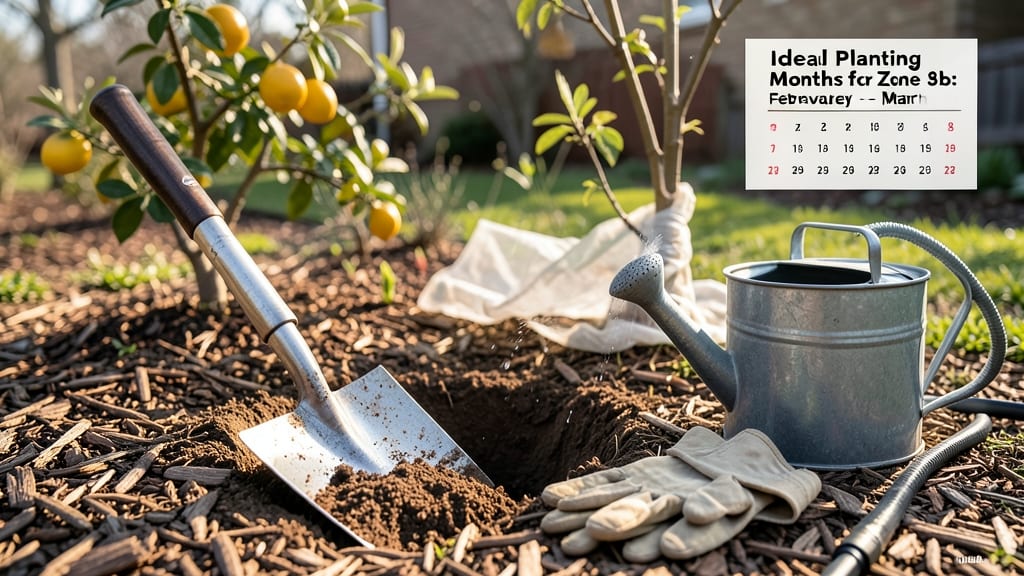
Planting your 🍎 fruit trees at the wrong time in Zone 8b could mean weak roots struggling through winter—leaving you with stunted growth or even lost trees when frost hits.
The key isn't just when you plant, but how you time it with soil warmth and dormancy cycles to give those roots the best possible start.
Most gardeners in Zone 8b focus on spring planting, but did you know late winter (February-March) often gives trees a critical 4-6 week head start before the last frost? That extra time lets roots establish deep before summer heat sets in, setting your orchard up for years of strong harvests.
Whether you're planting peaches, citrus, or apples, the exact timing varies—citrus thrives in warmer months while stone fruits need cooler soil. I'll break down the science behind each variety so you know precisely when to dig, plus how to prep your soil for maximum root growth before frost season arrives.
Ready to avoid common mistakes and get your fruit trees off to a flying start? Let's dive into the exact months that work best in Zone 8b and why timing matters more than you might think.
Best planting months for fruit trees in Zone 8b: exact timing for root establishment
Zone 8b offers a narrow window for planting fruit trees, where timing directly impacts root growth and frost survival.
The ideal planting window is late winter to early spring, specifically between February and March, when soil temperatures rise above 60°F but before the last frost date (January 15). Planting too early risks frost damage, while late planting delays root establishment.
In Zone 8b, the last frost date typically falls around January 15, but late frosts can linger into March. To maximize success, plant 4-6 weeks before the last frost, ensuring roots have time to establish before summer heat arrives.
This aligns with the dormancy cycle of most fruit trees, which wake up in early spring.
Soil temperature is critical—roots struggle to grow when soil is below 60°F. Use a soil thermometer to confirm readiness. In Zone 8b, this usually occurs in late February to early March, depending on microclimates. Warmer microclimates (e.g., near heat-retaining structures) may allow earlier planting.
While spring planting is ideal, fall planting is possible in Zone 8b if done 6-8 weeks before the first frost (around October-November). Fall-planted trees benefit from cooler temperatures and winter rains, but they require extra mulch and watering to protect roots from drying out.
Citrus trees and subtropical varieties (like figs and pomegranates) have different needs—they thrive when planted in early spring to avoid heat stress. Meanwhile, stone fruits (peaches, plums) and pome fruits (apples, pears) prefer cooler spring soil for root growth.
Here’s a quick comparison of planting windows and their pros and cons for Zone 8b:
| Planting Window | Soil Temp Requirement | Root Growth Benefit | Frost Risk |
|---|---|---|---|
| Late Winter (Feb) | 55-60°F | Moderate (cooler soil slows growth) | High (late frosts possible) |
| Early Spring (Mar) | 60-65°F | Optimal (fast root establishment) | Low (frost risk passes) |
| Fall (Oct-Nov) | 60-65°F | Good (cooler temps reduce stress) | Moderate (early winter frosts) |
| Late Spring (Apr-May) | 65°F+ | Slow (heat stress delays roots) | None (frost risk over) |
For bare-root trees, plant as soon as they arrive in dormant season (late winter). Container-grown trees can be planted slightly later, but avoid summer heat, which causes transplant shock. Always amend soil with compost and mulch heavily to retain moisture.
Pro tip: In Zone 8b, avoid planting in May—summer heat stresses young roots. Instead, prioritize March-April for the best balance of root growth and frost safety. Adjust for your specific microclimate by checking local frost records.
After planting, water deeply and stake young trees if needed. Monitor soil moisture—Zone 8b’s dry summers can quickly dehydrate newly planted trees. A drip irrigation system helps maintain consistent moisture without overwatering.
🌱
Zone 8b fruit tree planting calendar: month-by-month breakdown by variety
Timing your fruit tree planting in Zone 8b depends entirely on the variety—citrus thrives in mild winters, while stone fruits need cold dormancy.
Let’s break down the best months for each type, factoring in frost risks and growth cycles. Citrus (like oranges and lemons) can go in January-February, while peaches and plums wait for March-April to avoid late frosts.
Here’s how I schedule planting for my Zone 8b orchard, balancing dormancy needs with frost-free windows. Figs and pomegranates are more flexible, but apples and pears demand precise timing to set buds properly. The key? Plant when soil temps hit 60°F+—roots won’t establish below that.
🌱 Did You Know? Zone 8b’s 240 frost-free days let you experiment with tropical fruit trees like avocados or loquats, but they still need 6+ weeks of warm soil before planting. My avocado tree went in late February, and it’s thriving—no winter dormancy required!
For stone fruits like peaches, I plant in early March—just as the last frost date (Jan 15) fades into memory. These trees need chill hours (300–700) to set fruit, so timing is everything.
My Elberta peach tree blooms reliably every spring because I planted it when soil temps hit 55°F.
If you miss the ideal window, May planting is still possible for heat-tolerant varieties like figs or pomegranates. Just mulch deeply (4–6 inches) to protect roots from summer heat. I’ve had success with Black Mission figs planted in late May—they just need extra water until established.
Pro tip: Check your local microclimate—valleys frost later than hills. My neighbor’s peach tree died from a March frost because he planted too early. Wait for consistency: 5 consecutive days above 60°F means it’s safe to dig.